

What is a Petroleum Coke Material Handling Conveyor? What Are Its Design Principles?
Understanding the petroleum coke material handling conveyor is essential for industries dealing with this high-temperature, carbon-rich material. This equipment is specifically designed to transport petroleum coke, a byproduct of the coking process in refineries, with efficiency and safety. The design principles behind these conveyors are crucial for ensuring optimal performance, durability, and operational reliability in demanding industrial environments.
Definition and Purpose of Petroleum Coke Material Handling Conveyors
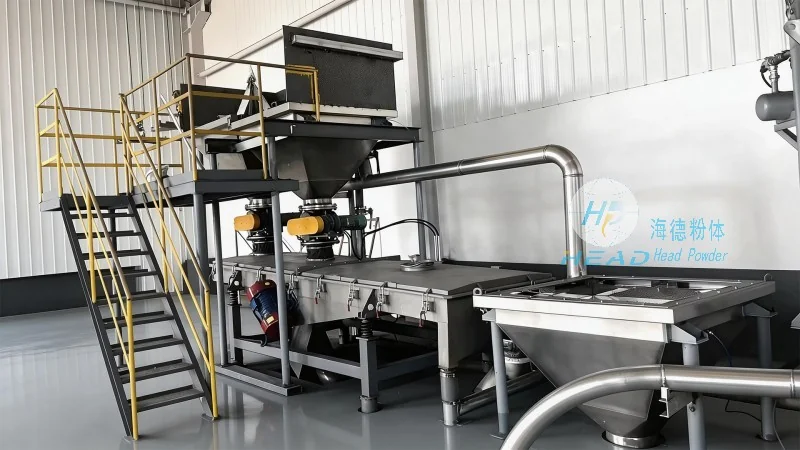
A petroleum coke material handling conveyor is a specialized type of industrial conveyor system engineered to transport petroleum coke, which is a solid, black, and porous material. This material is typically produced during the coking process in petroleum refineries, where heavy crude oil is converted into lighter fractions and coke. The primary purpose of these conveyors is to move this material from one location to another within a facility, such as from storage silos to processing units or from production areas to shipping points. The design of these systems must account for the unique properties of petroleum coke, including its high temperature, abrasive nature, and potential for dust generation.
Key Design Principles for Petroleum Coke Conveyors
The design of petroleum coke material handling conveyors involves several critical principles to ensure effective and safe operation. First, the system must be capable of handling the high temperatures associated with petroleum coke, which can reach up to 400°C or higher. This requires the use of heat-resistant materials, such as high-temperature steel or specialized alloys, for the conveyor components. Second, the conveyor must be designed to manage the abrasive nature of petroleum coke, which can cause wear and tear on the equipment. This is typically achieved through the use of heavy-duty belts, reinforced structures, and protective coatings. Third, the system must incorporate dust control measures to prevent the release of fine coke particles into the air, which can pose health and safety risks. This may include enclosed conveyor systems, dust collection systems, and proper ventilation.
Components and Construction of Petroleum Coke Conveyors
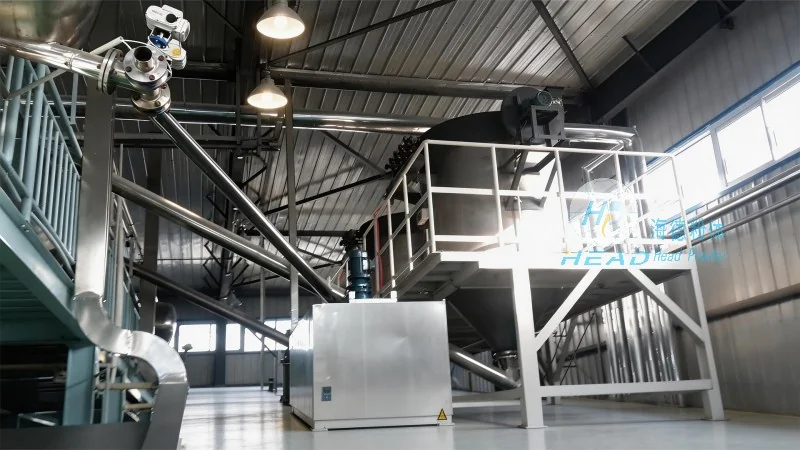
Petroleum coke material handling conveyors consist of several key components that work together to facilitate material transport. The main components include the conveyor belt, which carries the material, the idlers or rollers that support the belt, the drive system that powers the conveyor, and the frame or structure that holds all components together. The conveyor belt is typically made of a heavy-duty rubber or synthetic material that can withstand the high temperatures and abrasive nature of petroleum coke. The idlers are usually made of steel or other durable materials and are designed to support the weight of the material and the belt without causing excessive wear. The drive system may include electric motors, gearboxes, and pulleys, which work together to move the belt at a controlled speed. The frame of the conveyor is typically constructed from steel or other strong materials to provide stability and support for the entire system.
Operational Considerations and Maintenance
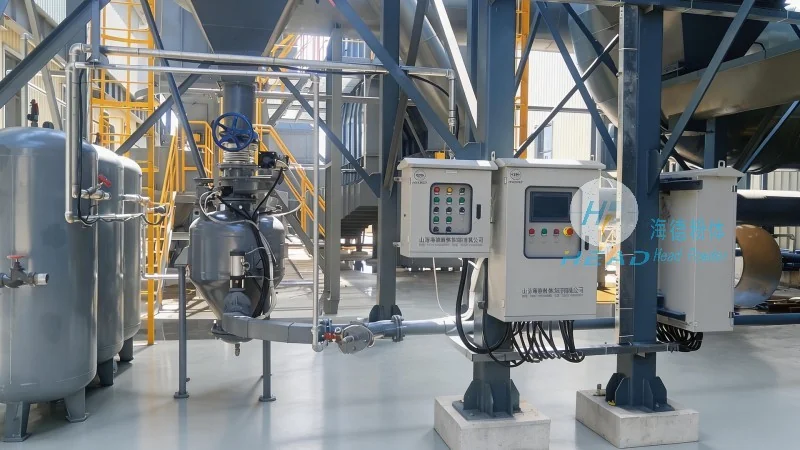
Operating a petroleum coke material handling conveyor requires careful consideration of several factors to ensure optimal performance and longevity. Regular maintenance is essential to prevent breakdowns and extend the life of the equipment. This includes inspecting the conveyor belt for signs of wear or damage, checking the idlers and rollers for proper alignment and lubrication, and ensuring that the drive system is functioning correctly. Additionally, the system must be designed to handle the potential for material buildup or blockages, which can occur due to the abrasive nature of petroleum coke. This may require the use of cleaning mechanisms, such as scrapers or brushes, to remove material from the belt and idlers. Proper training for operators is also crucial to ensure safe and efficient operation of the conveyor system.
About Shandong HeadPowder Engineering Co., Ltd.
Shandong HeadPowder Engineering Co., Ltd. is a leading manufacturer of industrial conveyor systems, including petroleum coke material handling conveyors. With years of experience in the industry, the company specializes in designing and manufacturing high-quality, durable equipment that meets the specific needs of its clients. The company's products are known for their reliability, efficiency, and safety features, making them a trusted choice for industries dealing with petroleum coke and other high-temperature materials. HeadPowder Engineering is committed to providing innovative solutions and excellent customer service to help its clients improve their operations and achieve their business goals.