

What is a Lithium-Ion Battery Material Handling Conveyor? And What Are Its Design Principles?
Understanding the role of material handling conveyors in the lithium-ion battery manufacturing process is crucial for optimizing production efficiency and ensuring consistent quality. These specialized systems are designed to transport various components, such as electrodes, electrolytes, and casings, through different stages of battery assembly. The design principles behind these conveyors are tailored to meet the unique demands of lithium-ion battery production, emphasizing precision, reliability, and adaptability to the manufacturing workflow.
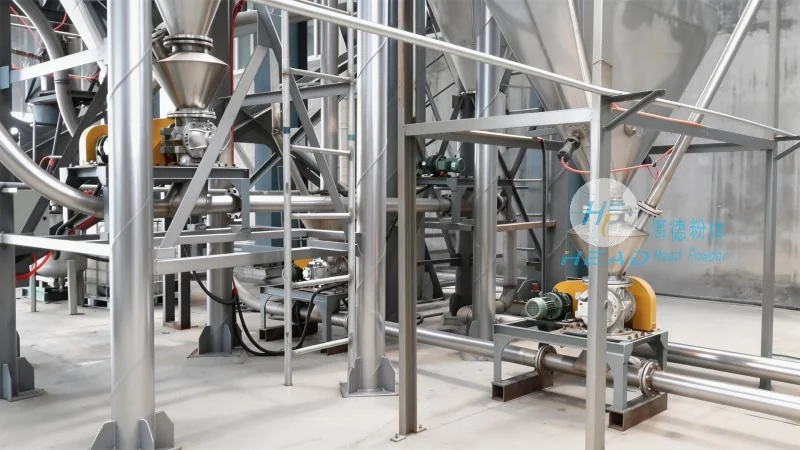
About HeadPowder Engineering Co., Ltd.
HeadPowder, a leading manufacturer based in Shandong, China, specializes in the design and production of advanced material handling solutions for the battery industry. With a strong commitment to innovation and quality, HeadPowder has established itself as a trusted partner for companies seeking efficient and reliable conveyor systems. The company’s expertise lies in customizing conveyor designs to meet specific production requirements, ensuring that each system is optimized for the unique needs of lithium-ion battery manufacturers.
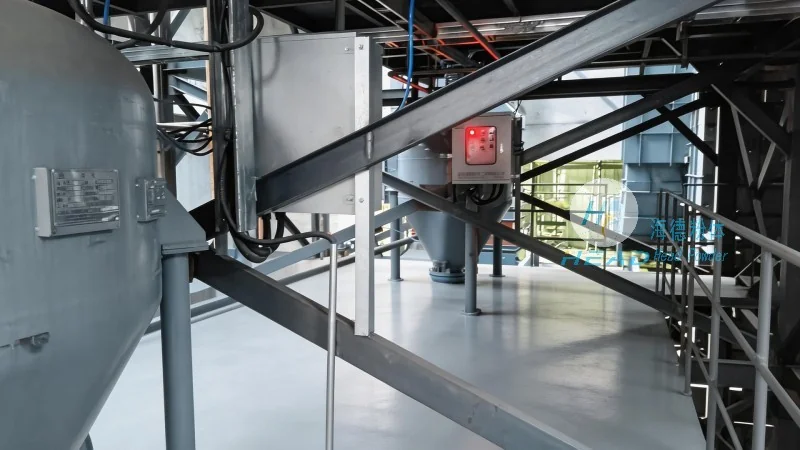
Key Design Principles of Lithium-Ion Battery Material Handling Conveyors
The design of a lithium-ion battery material handling conveyor involves several critical principles that ensure optimal performance. First, the system must provide precise positioning and control of materials to maintain uniformity in battery assembly. This includes features like adjustable speed controls, which allow operators to match the conveyor speed to the production line’s pace. Second, the conveyor must be constructed from materials that are compatible with the chemicals and environments used in battery manufacturing, such as corrosion-resistant metals and non-reactive surfaces. Third, the design emphasizes flexibility, enabling the conveyor to accommodate different battery sizes and configurations, from small pouch cells to large prismatic batteries. Additionally, the system incorporates safety features, such as emergency stop mechanisms and protective guards, to protect both operators and equipment during operation.
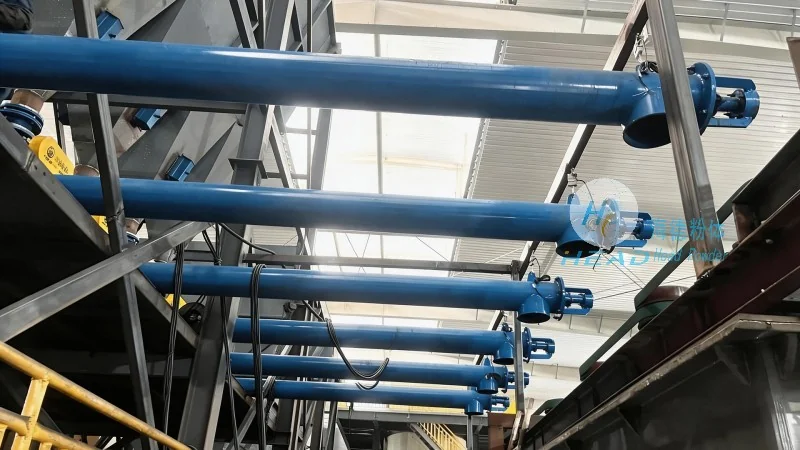
Components and Functionalities
A typical lithium-ion battery material handling conveyor consists of several key components that work together to facilitate efficient material transport. The primary components include a drive system, which powers the conveyor belt or chain, and a control panel that manages speed and direction. The conveyor bed, often made of stainless steel or other durable materials, provides a stable surface for transporting components. For more complex applications, the system may include integrated sensors and cameras to monitor the position and condition of materials, ensuring that only properly aligned parts proceed to the next stage of production. Additionally, the conveyor may feature adjustable guides and dividers to separate different materials or components, preventing mixing and ensuring that each part is correctly positioned for assembly.
Benefits of Using Lithium-Ion Battery Material Handling Conveyors
Implementing a lithium-ion battery material handling conveyor offers numerous benefits for manufacturers. One of the most significant advantages is increased production efficiency, as the system automates the movement of materials, reducing manual handling and minimizing downtime. This leads to faster throughput and higher output, which is essential for meeting market demands. Another key benefit is improved product quality, as the conveyor’s precise control ensures that components are aligned correctly and consistently, reducing defects and rework. The system also enhances safety in the workplace by minimizing the need for manual handling of heavy or hazardous materials, thereby reducing the risk of accidents and injuries. Furthermore, the flexibility of these conveyors allows manufacturers to adapt to changing production requirements, such as scaling up production or introducing new battery models, without significant modifications to the system.
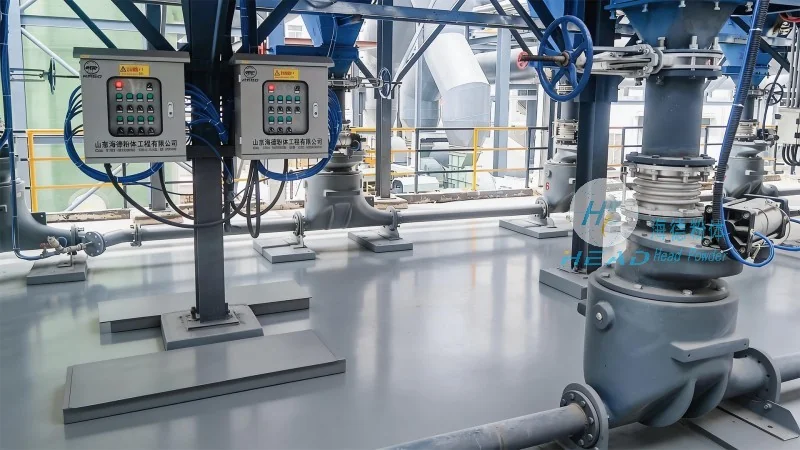
Customization and Integration
HeadPowder Engineering Co., Ltd. recognizes that each lithium-ion battery manufacturer has unique production needs, and therefore offers customized material handling solutions. The company works closely with clients to understand their specific requirements, such as the type of battery being produced, the production volume, and the available space. Based on this information, HeadPowder designs and manufactures conveyors that are tailored to meet these needs, ensuring optimal performance and efficiency. The company also integrates the conveyor systems with existing production lines, ensuring seamless operation and minimal disruption to the manufacturing process. This integration includes compatibility with other equipment, such as assembly machines and testing devices, to create a cohesive production environment. By providing customized and integrated solutions, HeadPowder helps manufacturers achieve their production goals while maintaining high standards of quality and efficiency.