

What is a Ceramic Particle Material Conveying Line? What are the Design Principles?
When it comes to the efficient handling and transportation of ceramic particles, a specialized system known as a ceramic particle material conveying line plays a crucial role. This equipment is engineered to manage the movement of ceramic powders or granules from one processing stage to another with precision and reliability. Understanding what this type of conveying line entails and the underlying design principles is essential for industries that rely on ceramic materials, such as ceramics manufacturing, refractory production, and related sectors.
Defining the Ceramic Particle Material Conveying Line
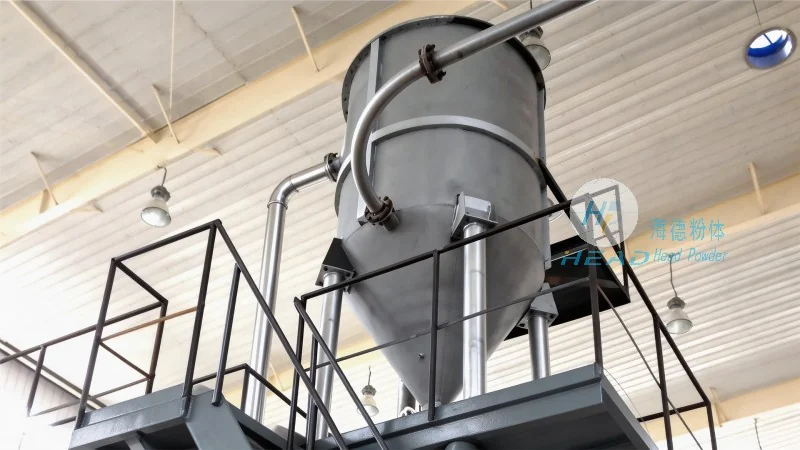
A ceramic particle material conveying line is a comprehensive system designed to transport ceramic particles, which can range from fine powders to larger granules, through a series of interconnected components. The primary goal of such a line is to ensure that the ceramic material is moved safely, efficiently, and without degradation or contamination. These systems are typically integrated into larger production lines, working in tandem with other processing equipment like mixers, classifiers, and sintering furnaces. The design of the conveying line must consider the specific properties of the ceramic material, including its particle size distribution, density, and potential reactivity, to optimize performance.
Key Design Principles for Ceramic Particle Conveying Systems
The design of a ceramic particle material conveying line is guided by several fundamental principles that ensure optimal operation. These principles focus on material handling efficiency, system reliability, and adaptability to different ceramic types. One of the core design considerations is the selection of appropriate conveying equipment. Common types include screw conveyors, pneumatic conveying systems, and bucket elevators, each chosen based on the characteristics of the ceramic particles and the operational requirements of the production process. The screw conveyor, for instance, is ideal for handling dry, free-flowing ceramic powders and granules, providing a continuous and controlled flow. Pneumatic conveying systems, on the other hand, are suitable for fine powders that are prone to dusting and require a dust-free environment. The choice of equipment directly impacts the overall efficiency and cost-effectiveness of the conveying line.
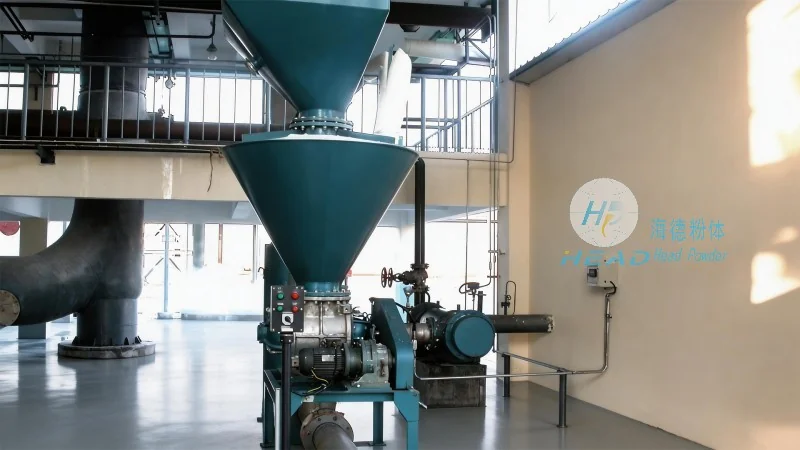
Another critical design principle is the integration of control systems. Modern ceramic particle conveying lines are equipped with advanced control mechanisms that monitor and regulate the flow rate, pressure, and temperature of the material. These controls help maintain consistent material handling performance and prevent issues such as blockages or overloading. The use of sensors and automation technology allows for real-time adjustments, ensuring that the conveying process remains stable and efficient. Additionally, the design must account for the potential for material degradation, such as caking or agglomeration, which can occur during transport. Proper material handling techniques, including the use of appropriate lubricants and the prevention of moisture exposure, are incorporated into the design to mitigate these risks.
System Components and Their Functions
A typical ceramic particle material conveying line consists of several key components, each serving a specific function in the overall material transport process. The primary components include the feed hopper, which holds the ceramic material and regulates its flow into the conveying system; the conveying mechanism, such as a screw or pneumatic system, which moves the material through the line; the transfer points, which direct the material to different processing stages; and the discharge hopper, which collects the material at the end of the line. The feed hopper is designed to prevent material buildup and ensure a consistent feed rate, which is crucial for maintaining the efficiency of the conveying system. The conveying mechanism is the heart of the system, responsible for the actual movement of the ceramic particles. It must be capable of handling the specific characteristics of the ceramic material, such as its density and flowability, to avoid issues like clogging or uneven flow. Transfer points are strategically placed to direct the material to different parts of the production line, such as mixers or classifiers, and are designed to minimize material loss and maintain a clean operation. The discharge hopper collects the material at the end of the line and can be integrated with downstream equipment to ensure a smooth transition to the next processing stage.
Material Handling Considerations in Ceramic Conveying
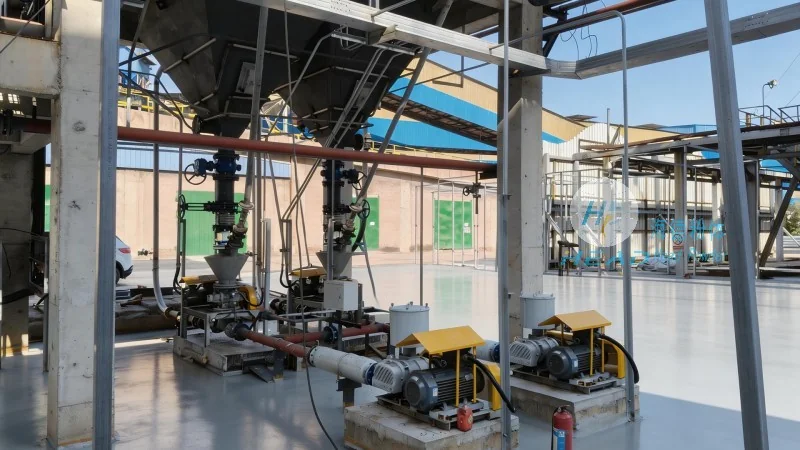
Handling ceramic particles requires careful consideration of their physical properties and potential interactions with the conveying system. Ceramic materials can vary widely in terms of particle size, shape, and density, which affects how they behave during transport. Fine powders, for example, may be prone to dusting and require a dust-free environment, while larger granules may need more robust conveying mechanisms to prevent breakage. The design of the conveying line must account for these variations to ensure that the material is transported without degradation. Additionally, ceramic materials can be sensitive to moisture, which can cause caking or agglomeration, reducing the efficiency of the conveying system. Proper sealing and moisture control measures are incorporated into the design to prevent these issues. The use of appropriate materials for the conveying components, such as stainless steel or corrosion-resistant alloys, is also essential to prevent contamination and ensure the longevity of the system.
Applications and Industry Relevance
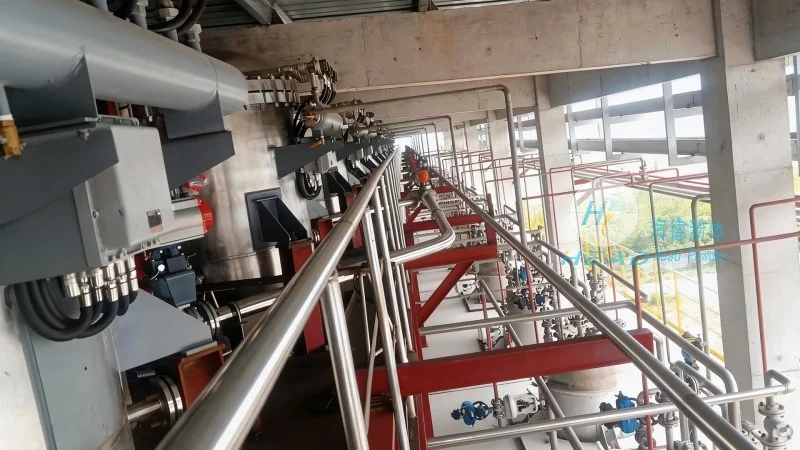
Ceramic particle material conveying lines are widely used in various industries that rely on ceramic materials. In the ceramics manufacturing industry, these systems are used to transport raw materials from storage to processing equipment, such as mixers and extruders. In refractory production, they are used to move refractory powders and granules to sintering furnaces and other processing stages. The efficiency of these conveying lines directly impacts the overall productivity and quality of the final ceramic products. By ensuring that ceramic materials are transported consistently and without degradation, the conveying line contributes to the production of high-quality ceramics with uniform properties. The design principles and components of these systems are tailored to the specific needs of each application, making them a critical component of modern ceramic production processes.
About Shandong HeadPowder Engineering Co., Ltd.
Shandong HeadPowder Engineering Co., Ltd. is a leading manufacturer and supplier of ceramic particle material conveying lines and related equipment. With a focus on innovation and quality, the company has established itself as a trusted partner for industries that require reliable and efficient material handling solutions. HeadPowder specializes in designing and manufacturing conveying systems tailored to the unique needs of ceramic manufacturers, ensuring that their products meet the highest standards of performance and durability. The company's headquarters is located in Shandong, China, where it has a team of experienced engineers and technicians dedicated to developing cutting-edge solutions for the ceramic industry. By combining advanced technology with practical expertise, HeadPowder provides customers with conveying lines that enhance productivity, reduce costs, and improve the overall quality of ceramic products.