

What is a Cobalt Hydroxide Material Handling Conveyor? What are its Design Principles?
Understanding the design and functionality of a cobalt hydroxide material handling conveyor is crucial for industries dealing with this specific chemical compound. This article provides an in-depth look at what such a conveyor system entails and the underlying design principles that ensure efficient material transport and processing.
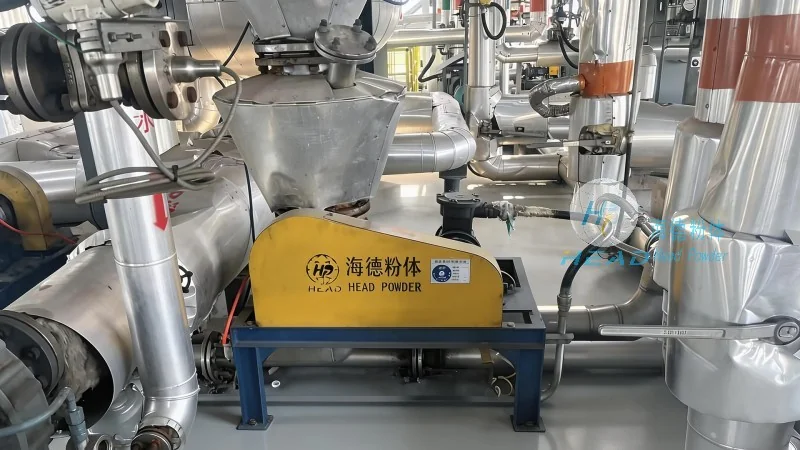
About Cobalt Hydroxide
Cobalt hydroxide is a chemical compound with the formula Co(OH)₂. It is widely used in various industrial applications, particularly in the production of lithium-ion batteries, as a precursor for cobalt metal, and in catalytic processes. The material handling of cobalt hydroxide requires specialized equipment due to its properties, such as its hygroscopic nature and potential reactivity under certain conditions. A dedicated conveyor system is essential to maintain product integrity and operational safety.
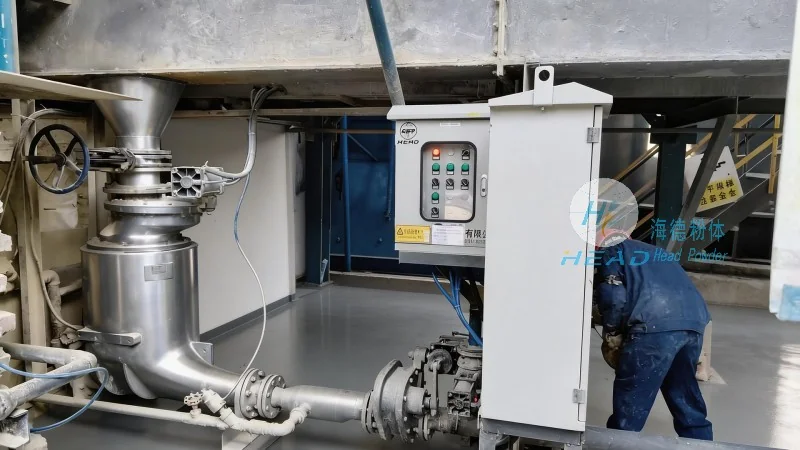
Design Principles of a Cobalt Hydroxide Material Handling Conveyor
The design of a cobalt hydroxide material handling conveyor is tailored to address the unique characteristics of the material. Key design principles include:
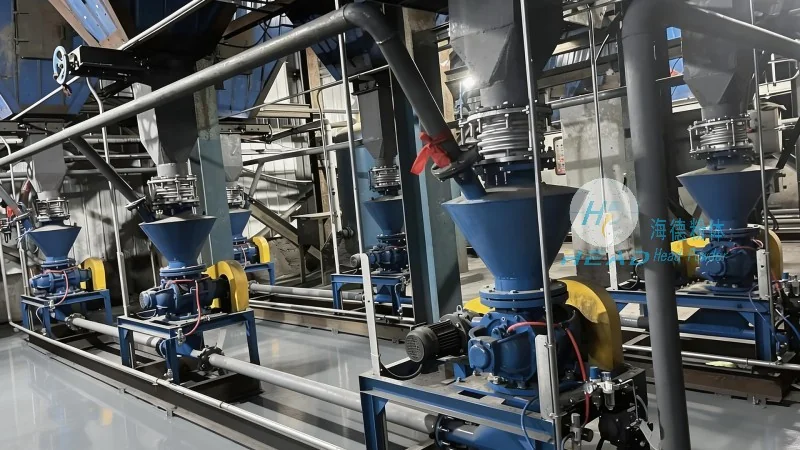
- Material Compatibility: The conveyor components, including belts, rollers, and frames, are made from materials that are resistant to corrosion and chemical reactions with cobalt hydroxide. This ensures durability and prevents contamination of the product.
- Moisture Control: Given that cobalt hydroxide is hygroscopic, the conveyor system incorporates features to minimize moisture exposure. This may involve enclosed or covered sections, as well as proper ventilation to maintain the material's dryness and prevent clumping or degradation.
- Temperature Management: The system is designed to maintain appropriate temperature levels to avoid any thermal decomposition or changes in the material's properties. Temperature control mechanisms, such as insulated sections or cooling systems, are integrated into the design.
- Prevention of Contamination: The conveyor is constructed to prevent cross-contamination with other materials or environmental factors. This includes sealed components, cleanable surfaces, and proper sealing of joints to maintain product purity.
- Efficient Material Flow: The conveyor's layout and components are optimized to ensure smooth and continuous material flow. This involves proper incline and decline angles, appropriate speed control, and smooth transitions between sections to minimize material handling disruptions.
Components of a Cobalt Hydroxide Material Handling Conveyor
A typical cobalt hydroxide material handling conveyor consists of several key components that work together to facilitate efficient material transport:
- Conveyor Belt: The primary component for carrying the material. The belt is made from a material that is non-reactive with cobalt hydroxide and can withstand the material's weight and potential abrasiveness.
- Rollers and Supports: These provide support and guidance to the conveyor belt. The rollers are designed to be smooth and durable, ensuring minimal friction and wear from the material.
- Drive System: The mechanism that powers the conveyor. This may include electric motors, gearboxes, and control systems to regulate the speed and direction of the material flow.
- Control Panel: A centralized control system that monitors and controls the conveyor's operation. This includes sensors for detecting material presence, speed controls, and safety interlocks to prevent accidents.
- Enclosure and Housing: The conveyor is often enclosed to protect the material from moisture, dust, and other environmental factors. The housing is designed to be easy to clean and maintain, ensuring long-term operational efficiency.
Applications and Benefits
Cobalt hydroxide material handling conveyors are used in various industrial processes, particularly in the battery manufacturing industry. The benefits of using such a system include:
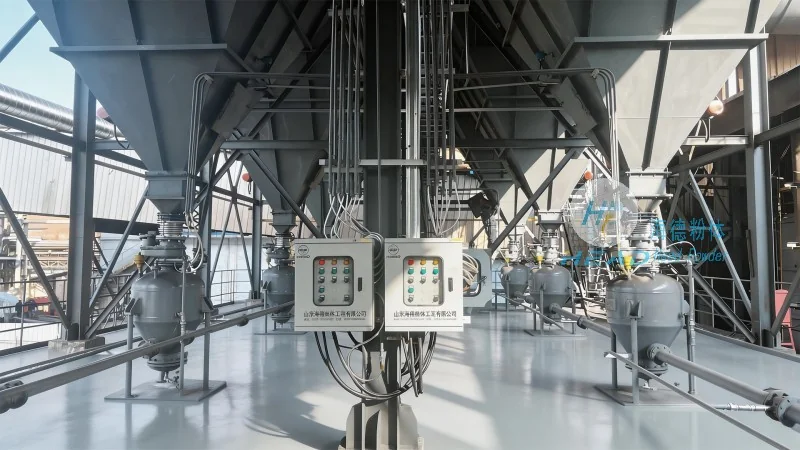
- Increased Efficiency: The conveyor system allows for continuous and automated material transport, reducing manual labor and increasing production throughput.
- Improved Product Quality: By maintaining proper moisture and temperature levels, the conveyor helps preserve the quality and purity of the cobalt hydroxide, ensuring consistent product output.
- Enhanced Safety: The enclosed design and proper material handling features minimize the risk of exposure to the material, protecting workers and maintaining a safe working environment.
- Cost-Effective Operation: The system is designed for long-term durability and low maintenance, reducing operational costs over time.
Conclusion
In conclusion, a cobalt hydroxide material handling conveyor is a specialized piece of equipment designed to efficiently and safely transport this important chemical compound. The design principles, components, and applications of such a system are tailored to meet the unique requirements of cobalt hydroxide, ensuring optimal performance and product quality. For industries relying on cobalt hydroxide, investing in a well-designed material handling conveyor is essential for maintaining operational efficiency and meeting production demands.