

What is a Battery Material Material Handling Line? What are its Design Principles?
Battery material material handling lines are specialized industrial systems engineered to efficiently transport and process raw materials used in the production of lithium-ion batteries and other battery technologies. These systems are critical components in modern battery manufacturing facilities, ensuring that materials such as cathode active materials, anodes, and electrolytes are handled safely, consistently, and with minimal contamination. The design of these lines is tailored to meet the stringent requirements of battery production, including high precision, low dust generation, and compliance with environmental and safety standards.
Key Design Principles of Battery Material Handling Lines
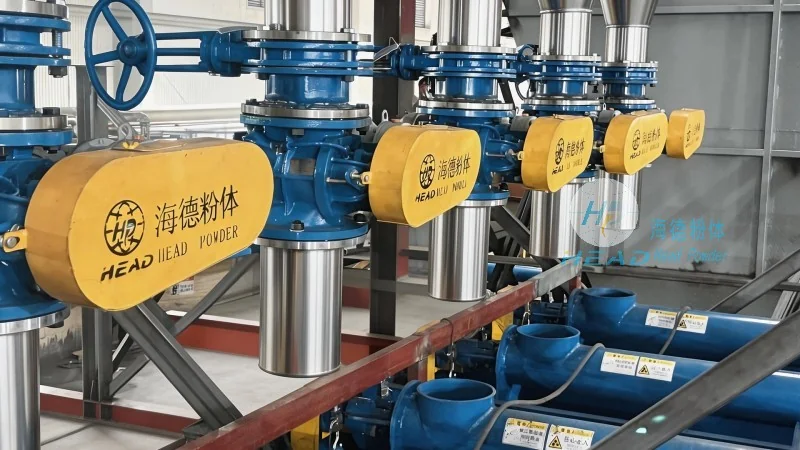
The design of a battery material handling line is governed by several core principles that ensure optimal performance and reliability. First, the system must prioritize material integrity and purity. This involves using sealed and enclosed conveyor systems to prevent contamination from external sources, as even trace impurities can significantly impact battery performance and lifespan. Second, the design emphasizes energy efficiency and operational cost-effectiveness. Advanced motor controls and energy recovery systems are integrated to minimize power consumption while maintaining high throughput. Third, the system is built for scalability and adaptability. Modular components allow manufacturers to adjust the line's capacity as production needs evolve, supporting both small-scale pilot operations and large-scale commercial production.
Components and Functionalities of the Material Handling Line
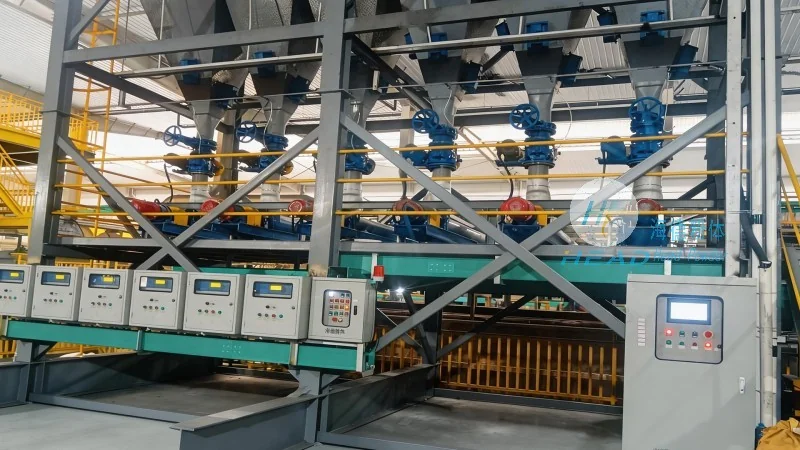
A typical battery material handling line consists of several interconnected components, each serving a specific function in the material flow. The primary components include feed hoppers, which store raw materials and regulate the feed rate; conveyor systems, such as belt conveyors or screw conveyors, that transport materials through the production process; and processing units, like mixing or coating equipment, that transform the raw materials into usable battery components. Additionally, the line incorporates dust collection and filtration systems to maintain a clean and safe working environment. These systems capture airborne particles and return them to the process or store them for disposal, ensuring compliance with environmental regulations.
Material Handling Line for Battery Production: A Case Study from Shandong HeadPowder Engineering Co., Ltd.
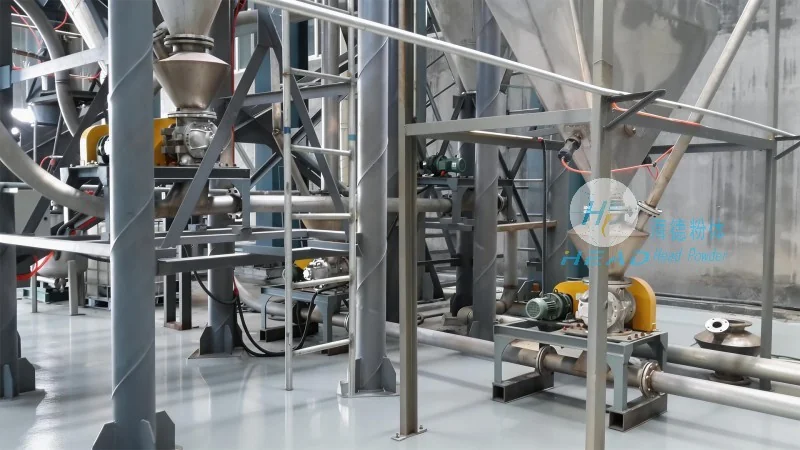
Shandong HeadPowder Engineering Co., Ltd., a leading manufacturer of specialized material handling solutions, has developed advanced battery material handling lines that integrate cutting-edge technology with robust engineering. Based in Shandong, China, HeadPowder leverages years of experience in powder handling and industrial automation to deliver systems that meet the demanding needs of the battery industry. Their material handling lines are designed with user-friendly interfaces and remote monitoring capabilities, allowing operators to track performance metrics and troubleshoot issues in real-time. The company's commitment to quality is reflected in its adherence to international standards, ensuring that each system is reliable, durable, and cost-effective.
Benefits of Implementing a Battery Material Handling Line
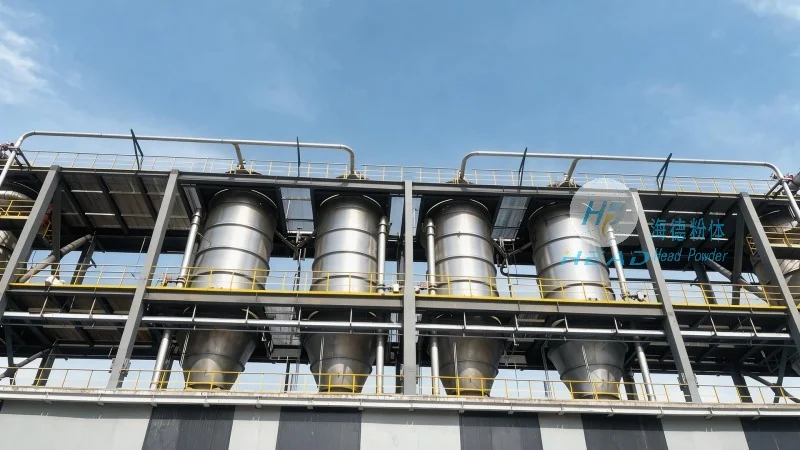
Investing in a well-designed battery material handling line offers numerous benefits for manufacturers. Firstly, it enhances production efficiency by streamlining material flow and reducing downtime. By automating the handling process, companies can increase throughput while maintaining consistent quality. Secondly, it improves product quality by minimizing material contamination and ensuring uniform processing. This leads to higher battery performance and longer lifespans, which are critical factors for consumer and industrial applications. Thirdly, the system reduces operational costs through energy efficiency and lower maintenance requirements. The modular design also allows for easy upgrades and expansions, providing a long-term solution that grows with the business.