

What is a Lightweight Aggregate Material Conveying Line? What are its Design Principles?
Lightweight aggregate material conveying lines are specialized systems engineered to transport lightweight aggregate materials, such as expanded clay, expanded shale, or other lightweight construction materials, with efficiency and precision. These systems are integral to various industrial and construction applications, where the handling of lightweight aggregates is critical for processes like concrete production, insulation manufacturing, or material processing. The design of these conveying lines is tailored to meet the unique characteristics of lightweight aggregates, ensuring minimal material degradation, optimal energy efficiency, and reliable operation under diverse operational conditions.
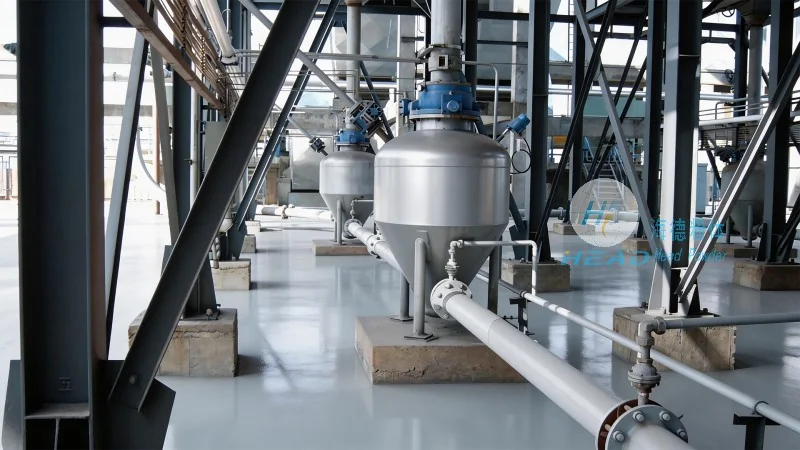
Key Components and Design Principles of Lightweight Aggregate Conveying Systems
The design of a lightweight aggregate material conveying line typically involves several key components, each playing a crucial role in the overall functionality and performance of the system. The primary components include feeders, conveyors (such as belt conveyors, screw conveyors, or pneumatic conveyors), control systems, and material handling accessories. The selection of these components is based on factors like the type and properties of the lightweight aggregate, the required conveying capacity, the distance of material transport, and the operational environment. For instance, belt conveyors are commonly used for horizontal or slightly inclined transport due to their ability to handle large volumes of material with minimal maintenance, while screw conveyors are suitable for vertical or inclined transport, especially when space constraints are a concern. Pneumatic conveyors, on the other hand, are ideal for transporting fine or dusty lightweight aggregates, as they can handle materials with high moisture content or those that are prone to clogging in mechanical systems.
Material handling accessories, such as hoppers, chutes, and transfer points, are also essential components that facilitate the smooth flow of lightweight aggregates through the conveying line. Hoppers are used to store and feed the material into the conveyor system, while chutes guide the material along the desired path. Transfer points, including diverters and junctions, allow for the redirection of material flow to different destinations within the production process. The design of these accessories must consider the material's flow characteristics, such as angle of repose and bulk density, to prevent material buildup or blockages that could disrupt the conveying process.
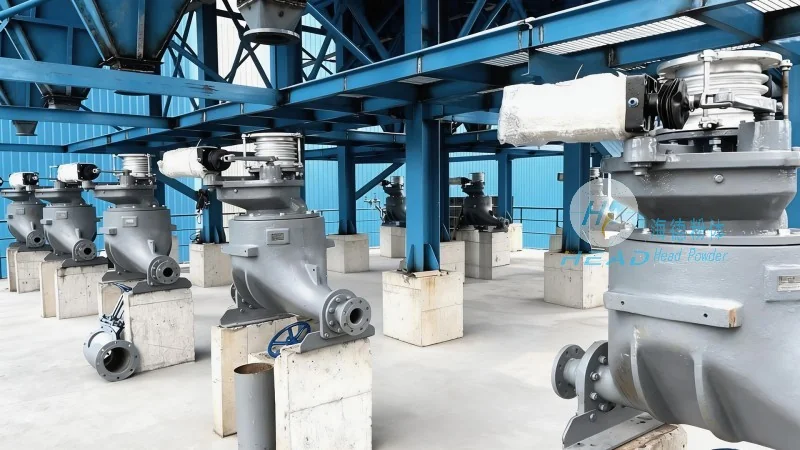
Design Considerations for Efficient Lightweight Aggregate Conveying
Efficient design of a lightweight aggregate material conveying line requires careful consideration of several factors to ensure optimal performance and longevity. One of the most critical considerations is the material's physical properties, including its bulk density, particle size distribution, and abrasiveness. Lightweight aggregates often have lower bulk densities compared to traditional aggregates, which can affect the conveying speed and power requirements. For example, materials with a lower bulk density may require higher conveyor speeds or more powerful motors to maintain the desired throughput. Additionally, the particle size distribution of the lightweight aggregate can impact the choice of conveyor type; for instance, fine particles may be more prone to dust generation and require dust control measures, while larger particles may need more robust conveyor components to prevent wear and tear.
Another important design consideration is the conveying capacity and distance. The system must be designed to handle the required volume of material while maintaining a consistent flow rate. This involves calculating the material's flow rate based on its bulk density and the conveyor's speed, and ensuring that the conveyor's capacity is sufficient to meet the production demands. The distance of material transport also influences the design, as longer distances may require additional components, such as booster conveyors or vertical lift mechanisms, to maintain the material's velocity and prevent material degradation. For example, a conveying line that spans several hundred meters may include multiple horizontal and vertical sections, each optimized for the specific material handling requirements.
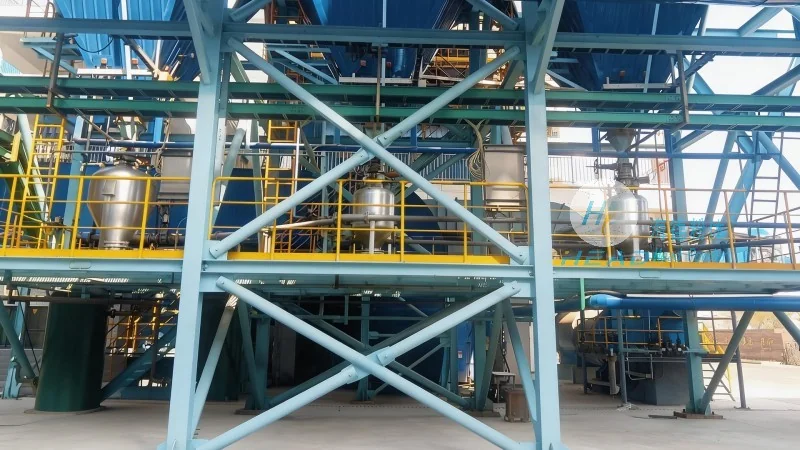
Energy Efficiency and Maintenance in Lightweight Aggregate Conveying Systems
Energy efficiency is a key aspect of the design and operation of lightweight aggregate material conveying lines, as it directly impacts operational costs and environmental sustainability. Modern conveying systems incorporate energy-saving features, such as variable frequency drives (VFDs) that adjust the motor speed based on the material load, reducing energy consumption during low-demand periods. Additionally, the selection of appropriate conveyor types and materials can minimize energy losses. For instance, belt conveyors with smooth surfaces and low-friction bearings can reduce energy consumption compared to older, more inefficient designs. Maintenance considerations are also critical to ensure the long-term reliability and performance of the system. Regular maintenance, including cleaning, lubrication, and component replacement, is essential to prevent equipment failure and maintain optimal performance. The design of the conveying line should also facilitate easy access to components for maintenance, reducing downtime and operational disruptions.
Applications of Lightweight Aggregate Material Conveying Lines
Lightweight aggregate material conveying lines are widely used in various industries, including construction, manufacturing, and material processing. In the construction industry, these systems are essential for transporting lightweight aggregates used in concrete production, where the aggregates contribute to the lightweight and insulating properties of the final product. The conveying lines ensure that the lightweight aggregates are delivered to the mixing plant or batching station in a controlled manner, maintaining consistent quality and reducing material waste. In manufacturing, these systems are used in the production of lightweight insulation materials, such as expanded polystyrene or vermiculite, where the aggregates are processed and transported to the next stage of production. The precision and efficiency of the conveying line help maintain the material's quality and prevent contamination, which is crucial for the final product's performance.
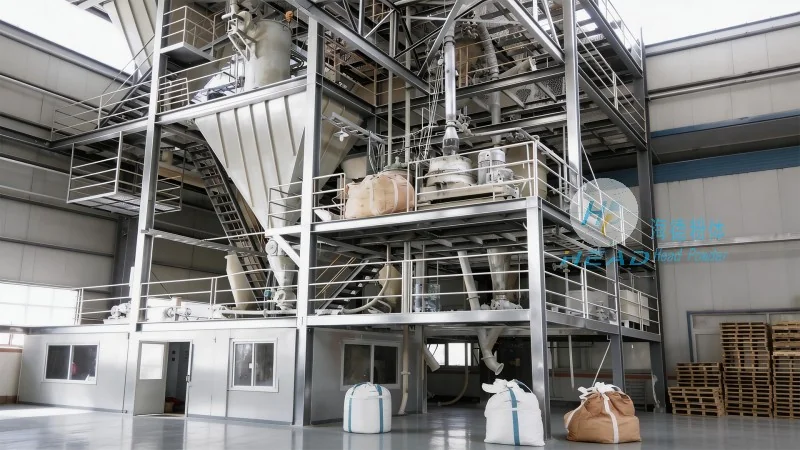
Customization and Integration with Production Processes
Lightweight aggregate material conveying lines are often customized to fit specific production requirements and integrate seamlessly with existing manufacturing processes. The design of the system may vary depending on the client's needs, such as the type of lightweight aggregate, the production capacity, and the operational environment. For example, a conveying line for a small-scale concrete plant may be simpler and less complex compared to a system for a large-scale industrial facility. Customization also involves integrating the conveying line with other production equipment, such as mixers, crushers, or storage silos, to create a cohesive and efficient production line. This integration ensures that the material flows smoothly from one stage to the next, minimizing bottlenecks and maximizing productivity. The ability to customize the system allows manufacturers to optimize their production processes and meet specific quality standards.
Conclusion
Lightweight aggregate material conveying lines are sophisticated systems designed to efficiently transport lightweight aggregates with precision and reliability. The design principles, components, and considerations outlined above highlight the importance of understanding the material's properties and operational requirements to create an optimal conveying system. With proper design and maintenance, these systems can significantly enhance production efficiency, reduce operational costs, and ensure the quality of the final product. As the demand for lightweight construction materials continues to grow, the role of these conveying lines in the industry will remain critical, supporting the development of sustainable and efficient construction practices.