

What is a Heptahydrate Magnesium Sulfate Material Handling Conveyor? And What Are Its Design Princip
Heptahydrate magnesium sulfate, commonly known as Epsom salt, is a widely used chemical compound in various industrial applications. The material handling conveyor systems designed to transport this substance efficiently are critical for maintaining operational efficiency and safety in processing facilities. This article explores the fundamental aspects of heptahydrate magnesium sulfate material handling conveyors, focusing on their design principles and functional capabilities.
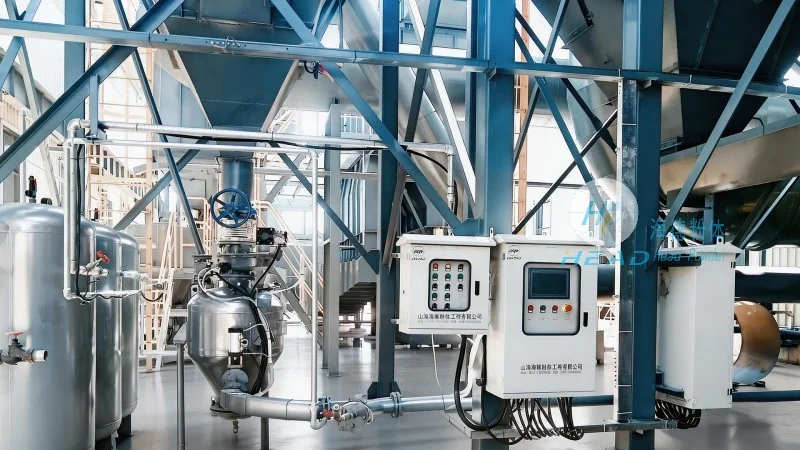
Understanding the Role of Heptahydrate Magnesium Sulfate in Industrial Processes
Heptahydrate magnesium sulfate (MgSO₄·7H₂O) is a hygroscopic, white crystalline solid that is soluble in water. It is extensively utilized in pharmaceuticals, agriculture, food processing, and chemical manufacturing. The material handling conveyor systems for this compound must be engineered to handle its physical properties, such as its tendency to absorb moisture and its granular or crystalline form. These systems are designed to ensure consistent and reliable transport from storage to processing or packaging areas.
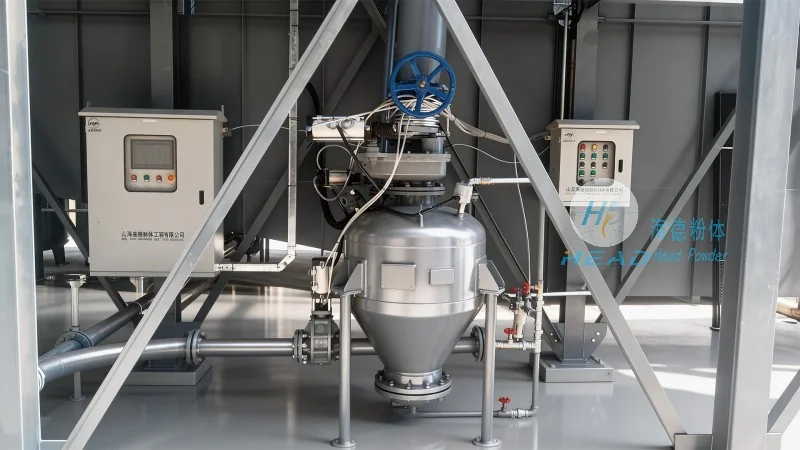
Key Design Principles for Heptahydrate Magnesium Sulfate Conveyors
The design of heptahydrate magnesium sulfate material handling conveyors is guided by several critical principles to optimize performance and safety. First, the conveyor must be constructed from materials that are resistant to corrosion and chemical exposure, as magnesium sulfate can be aggressive to certain metals. Stainless steel or specialized coatings are commonly used to prevent degradation and ensure longevity. Second, the system must incorporate features that minimize material degradation, such as gentle handling mechanisms and proper spacing to avoid clumping or breakage of the crystalline structure. Third, the conveyor should be equipped with effective dust control measures, as magnesium sulfate can generate fine particles that may pose respiratory hazards. Finally, the design must prioritize safety, including proper sealing, grounding, and emergency stop mechanisms to protect operators and prevent environmental contamination.
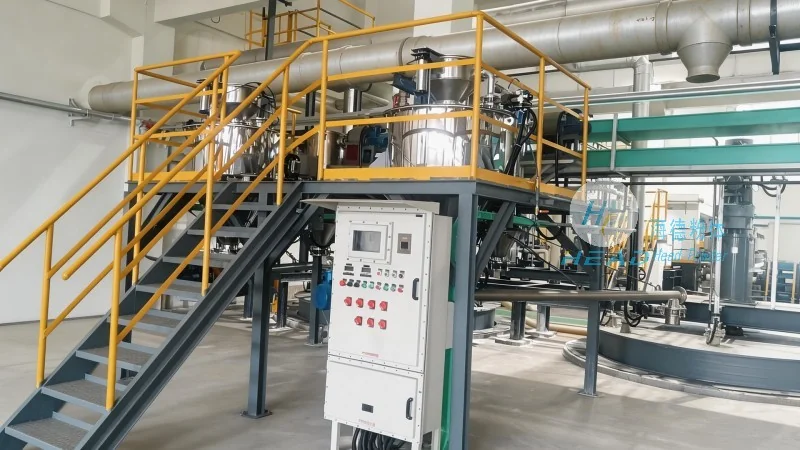
Components and Functionalities of a Typical Conveyor System
A standard heptahydrate magnesium sulfate material handling conveyor typically consists of several key components. The feeding mechanism, often a hopper or bin, ensures a consistent flow of material into the conveyor. The conveyor itself, which may be a belt, screw, or bucket type, transports the material along the desired path. A control system manages the speed and direction of the conveyor, while sensors monitor the material level and detect any blockages or malfunctions. The discharge system, such as a chute or spout, delivers the material to the next stage of processing. Each component is carefully selected and integrated to ensure smooth operation and minimal downtime.
Applications and Benefits of Heptahydrate Magnesium Sulfate Conveyors
Heptahydrate magnesium sulfate conveyors are employed in a variety of industrial settings. In pharmaceutical manufacturing, they facilitate the transport of raw materials to production lines, ensuring precise dosing and quality control. In agricultural applications, the conveyors help move the compound for fertilizer production or soil treatment. The benefits of these systems include improved efficiency, reduced labor costs, and enhanced safety by automating material handling. Additionally, the design principles discussed above contribute to minimizing product loss and maintaining the integrity of the heptahydrate magnesium sulfate, which is crucial for its effectiveness in end-use applications.
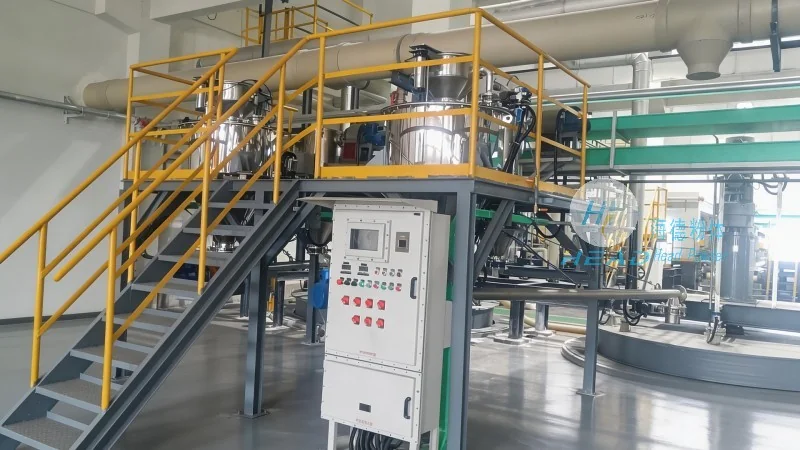
HeadPowder Engineering: Experts in Heptahydrate Magnesium Sulfate Conveyor Solutions
Shandong HeadPowder Engineering Co., Ltd., a leading provider of material handling solutions, specializes in designing and manufacturing conveyors tailored to the unique needs of heptahydrate magnesium sulfate. With a focus on durability, efficiency, and safety, HeadPowder Engineering leverages advanced engineering techniques to create systems that meet the demands of modern industrial operations. The company’s expertise in material handling technology ensures that their conveyors are built to withstand the challenges of transporting hygroscopic and potentially abrasive materials like magnesium sulfate. By incorporating the design principles outlined in this article, HeadPowder Engineering delivers reliable and effective conveyor systems that enhance productivity and safety for their clients.