

What is Tungsten Carbide Powder Handling Equipment? And What Are Its Design Principles?
Tungsten carbide powder handling equipment is a specialized system designed to manage the transportation, storage, and processing of tungsten carbide powders. These powders are critical components in various industrial applications, including the manufacturing of cutting tools, wear-resistant parts, and high-performance materials. The equipment is engineered to ensure efficient, safe, and reliable handling of these fine powders, which are often sensitive to environmental factors and require precise control to maintain their quality and properties.
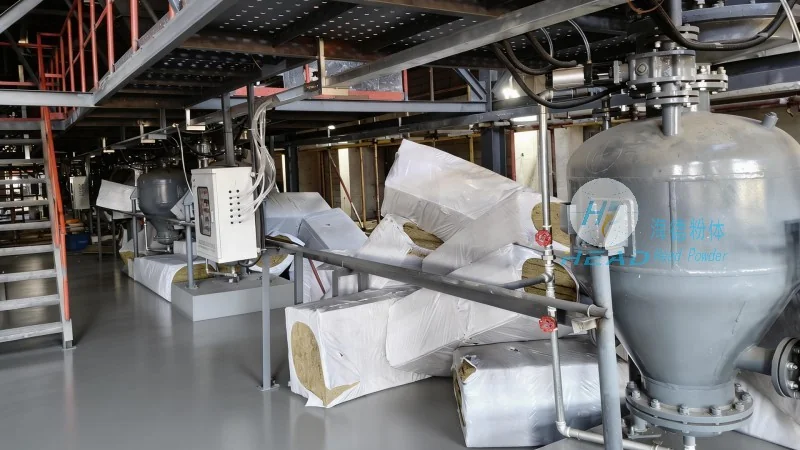
Understanding the Core Components of Tungsten Carbide Powder Handling Systems
The design of tungsten carbide powder handling equipment typically involves several key components that work in tandem to achieve optimal performance. These components include material feeders, conveyors, storage hoppers, and control systems. Each component is carefully selected and integrated to address the unique challenges associated with handling tungsten carbide powders, such as their high density, abrasive nature, and tendency to agglomerate. For instance, feeders like vibratory or rotary types are commonly used to ensure a consistent flow of powder into the system, while conveyors may employ pneumatic or mechanical methods to transport the material through the processing line.
Design Principles for Efficient Powder Handling
The design principles of tungsten carbide powder handling equipment focus on several critical aspects to ensure operational efficiency and product integrity. One of the primary principles is the minimization of powder loss and contamination. This is achieved through the use of sealed systems, dust collection mechanisms, and proper sealing of all connections and components. Additionally, the equipment is designed to handle the high wear and tear caused by the abrasive nature of tungsten carbide powders, often incorporating materials like stainless steel or specialized alloys for the construction of internal parts. Another key principle is the control of particle size and distribution, as these factors directly impact the final product quality. Advanced control systems, including sensors and automation, are integrated to monitor and adjust the flow rates and processing parameters in real-time, ensuring consistent output.
Role of Material Feeders in Tungsten Carbide Processing
Material feeders play a crucial role in the efficient operation of tungsten carbide powder handling equipment. They are responsible for delivering a uniform and controlled flow of powder from storage hoppers to the processing equipment. Different types of feeders are used depending on the specific requirements of the application. For example, vibratory feeders use a vibrating mechanism to move the powder, providing a steady flow rate that can be adjusted as needed. Rotary feeders, on the other hand, use a rotating drum to discharge powder, which is particularly effective for handling larger or more cohesive particles. The selection of the appropriate feeder is critical to prevent issues such as clogging or uneven flow, which can lead to process inefficiencies or product defects.
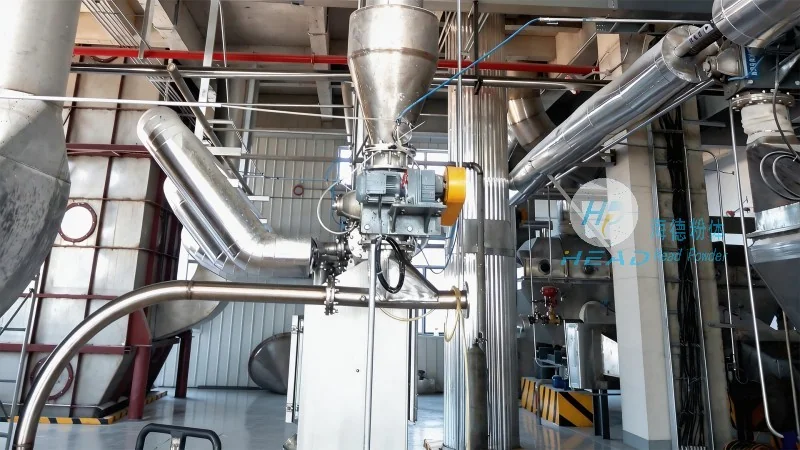
Conveyor Systems for Tungsten Carbide Powder Transport
Conveyor systems are essential for transporting tungsten carbide powders between different stages of the processing line. These systems can be categorized into two main types: pneumatic and mechanical. Pneumatic conveyors use air pressure to move the powder through a network of pipes, which is ideal for handling fine powders and minimizing contamination. Mechanical conveyors, such as belt or screw conveyors, use physical movement to transport the material, which is often preferred for bulkier or more abrasive powders. The design of the conveyor system must consider factors like the powder's density, flowability, and the required transport distance to ensure smooth and efficient operation. Proper maintenance and cleaning of the conveyor components are also vital to prevent wear and maintain performance.
Storage Solutions for Tungsten Carbide Powders
Effective storage of tungsten carbide powders is a critical aspect of the handling equipment system. Storage hoppers are typically designed with a conical or hopper-shaped structure to facilitate the flow of powder and prevent agglomeration. These hoppers are often made from corrosion-resistant materials like stainless steel or special alloys to withstand the abrasive nature of the powders. The design also includes features such as internal liners or coatings to further protect the equipment from wear and to maintain the purity of the powder. Proper ventilation and dust control systems are integrated into the storage hoppers to ensure a safe working environment and to prevent the accumulation of dust, which can pose health and safety risks.
Control Systems and Automation in Tungsten Carbide Handling
Modern tungsten carbide powder handling equipment incorporates advanced control systems and automation to enhance operational efficiency and product quality. These systems use sensors, such as load cells, level detectors, and particle size analyzers, to monitor key parameters in real-time. The data collected by these sensors is processed by a control unit, which adjusts the operation of the feeders, conveyors, and other components to maintain optimal performance. Automation also helps in reducing human error and improving consistency in the processing of tungsten carbide powders. For example, automated systems can adjust the flow rate based on the current demand or the status of downstream equipment, ensuring that the processing line operates smoothly without interruptions.
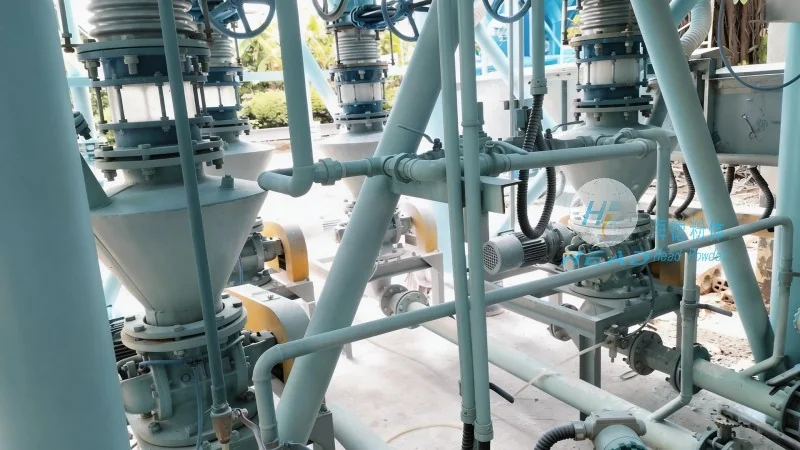
Safety and Environmental Considerations in Tungsten Carbide Handling
Handling tungsten carbide powders involves several safety and environmental considerations that must be addressed in the design of the equipment. The fine particles of tungsten carbide can be hazardous if inhaled, so the equipment is designed with sealed systems and effective dust collection to minimize exposure. Additionally, the equipment must comply with environmental regulations regarding the disposal of waste materials and the prevention of air pollution. Proper ventilation and filtration systems are integrated into the handling system to ensure that the powders are contained and that the air quality in the working environment remains safe. Regular maintenance and inspection of the equipment are also essential to identify and address any potential safety or environmental issues before they become problematic.
Applications of Tungsten Carbide Powder Handling Equipment
Tungsten carbide powder handling equipment is widely used in various industrial applications where high-performance materials are required. One of the primary applications is in the manufacturing of cutting tools, such as drill bits, end mills, and saw blades. The equipment ensures that the tungsten carbide powders are handled efficiently and with precision, which is crucial for the quality of these tools. Another application is in the production of wear-resistant parts, such as liners, bearings, and nozzles, used in heavy machinery and industrial equipment. The consistent handling of the powders by the equipment helps in maintaining the desired properties of these parts, ensuring their durability and performance. Additionally, the equipment is used in the production of high-performance coatings and composites, where the quality of the tungsten carbide powders directly impacts the final product's characteristics.
Conclusion: The Importance of Specialized Tungsten Carbide Handling Equipment
In conclusion, tungsten carbide powder handling equipment is a critical component in the manufacturing processes that rely on these high-performance materials. The design principles and components of these systems are tailored to address the unique challenges associated with handling tungsten carbide powders, ensuring efficient, safe, and reliable operation. The integration of advanced control systems and automation further enhances the performance and consistency of the processing. As the demand for high-quality tungsten carbide products continues to grow, the importance of specialized handling equipment will only increase. Companies like Shandong HeadPowder Engineering Co., Ltd., based in China, play a vital role in providing such equipment, leveraging their expertise and experience to meet the needs of various industries. With proper design and maintenance, these systems can significantly improve the efficiency and quality of tungsten carbide powder processing, contributing to the overall success of the manufacturing operations.