

[Desulfurization and Dust Removal Fly Ash Powder Conveying Equipment: What It Is and Its Design Prin
Desulfurization and dust removal processes in power plants and industrial facilities generate large volumes of fly ash, which requires efficient and reliable equipment for safe and effective transportation. The fly ash powder conveying equipment, also known as desulfurization dust removal ash conveying systems, is a specialized solution designed to handle these fine particulate materials. This equipment is crucial for maintaining operational efficiency and environmental compliance in industrial settings. The following sections will explore what this equipment is and the underlying design principles that make it effective.
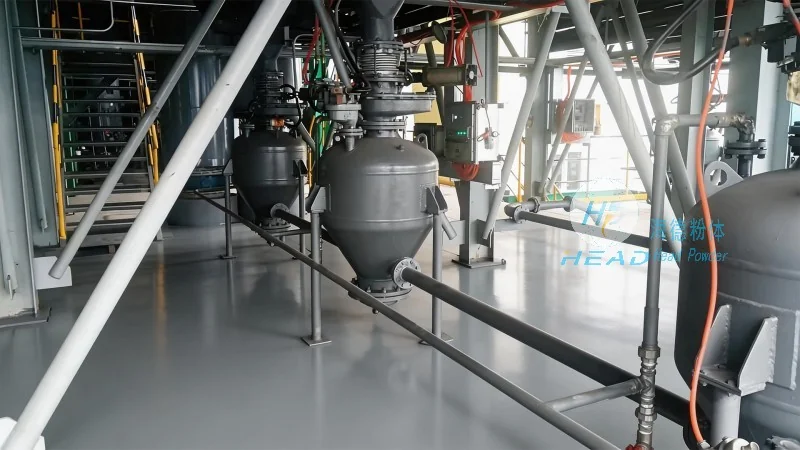
HeadPowder, a leading manufacturer based in Shandong, China, specializes in the development and production of advanced fly ash conveying systems. With a strong focus on engineering excellence and customer-centric solutions, HeadPowder has established itself as a trusted provider in the industry. The company's commitment to quality and innovation ensures that their equipment meets the highest standards of performance and reliability. The following content provides a detailed overview of the equipment and its design principles, tailored to the needs of industrial clients.
Understanding the Fly Ash Powder Conveying Equipment
The desulfurization and dust removal fly ash powder conveying equipment is a sophisticated system engineered to transport fine ash particles from the source (such as a storage silo or hopper) to the disposal or utilization site. This equipment typically consists of several key components, including a conveying pipeline, a feeding mechanism, a control system, and sometimes a dust suppression unit. The primary goal is to ensure that the ash is moved safely and efficiently, minimizing the risk of dust emissions and operational disruptions.
One of the core functions of this equipment is to handle the unique properties of fly ash, which includes its fine particle size, high moisture content, and potential for reactivity. The design must account for these characteristics to prevent blockages, agglomeration, and equipment wear. The conveying system often utilizes positive pressure or negative pressure methods, depending on the specific application and environmental requirements. Positive pressure systems use blowers or fans to push the ash through the pipeline, while negative pressure systems draw the ash into the system using vacuum pumps.
Key Design Principles for Efficient Conveying
The design of the fly ash powder conveying equipment is guided by several critical principles to ensure optimal performance. First, the system must maintain a consistent flow rate to prevent surges or stagnation, which can lead to material buildup and equipment failure. This is achieved through the use of variable speed drives and precise control mechanisms that adjust the feeding rate based on real-time conditions.
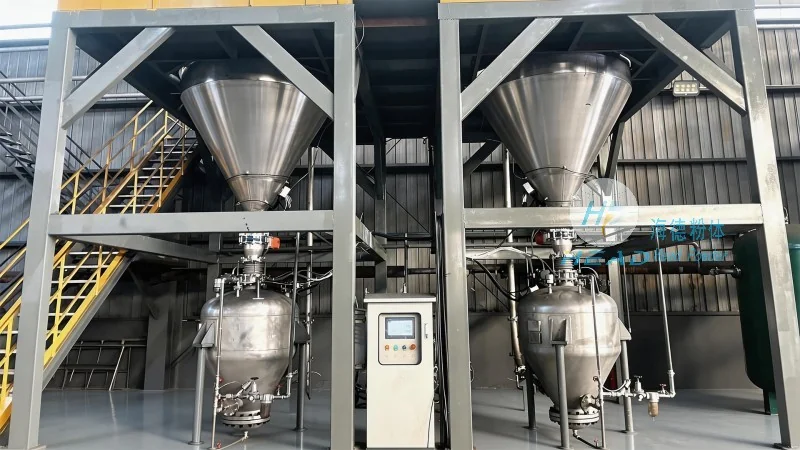
Second, the equipment must incorporate effective dust suppression measures to comply with environmental regulations and protect personnel. This includes features such as cyclone separators, bag filters, or wet scrubbers that capture and neutralize airborne particles. The design also considers the material's moisture content, as excessive moisture can cause clogging and reduce the efficiency of the conveying process. HeadPowder's systems often include moisture control components, such as pre-drying units or moisture sensors, to maintain optimal material properties.
Third, the system's durability and longevity are critical factors in its design. The conveying components, such as pipelines, valves, and pumps, are constructed from corrosion-resistant materials to withstand the abrasive nature of fly ash. The use of high-quality stainless steel or special alloys ensures that the equipment can operate for extended periods without significant wear or maintenance issues. Additionally, the control system is designed for ease of use and maintenance, with user-friendly interfaces and remote monitoring capabilities.
Components and Operational Mechanisms
The fly ash powder conveying equipment operates through a combination of mechanical and pneumatic components. The feeding mechanism, typically a rotary valve or screw feeder, controls the amount of ash entering the conveying line. This component is designed to handle the fine, dry or slightly moist ash without causing blockages. The conveying pipeline is usually made of flexible or rigid materials, such as PVC or steel, depending on the application. Flexible pipelines are often used in systems where the equipment needs to be reconfigured or moved, while rigid pipelines are preferred for permanent installations due to their strength and durability.
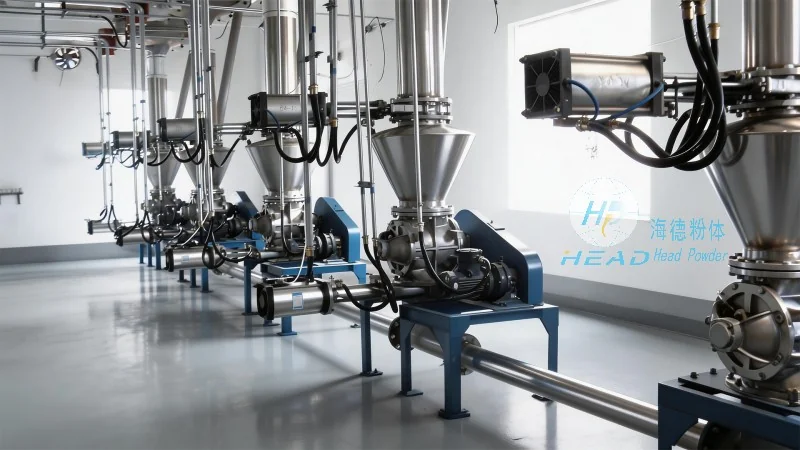
The control system plays a vital role in the equipment's operation. It monitors parameters such as pressure, flow rate, and temperature, and adjusts the system's performance accordingly. Modern systems often include sensors that detect blockages or leaks, triggering alarms or automatic shutdowns to prevent damage. The control panel is typically equipped with a user interface that allows operators to adjust settings, view real-time data, and perform maintenance tasks. HeadPowder's control systems are designed to be intuitive and reliable, ensuring that the equipment operates smoothly and efficiently.
Benefits and Applications
The desulfurization and dust removal fly ash powder conveying equipment offers several benefits to industrial facilities. First, it enhances operational efficiency by reducing downtime and maintenance costs. By ensuring a consistent and reliable flow of ash, the system minimizes the risk of material buildup and equipment failure, which can lead to costly interruptions in production. Second, it improves environmental compliance by minimizing dust emissions and controlling the release of harmful particles into the atmosphere. This helps facilities meet regulatory requirements and maintain a safe working environment for personnel.
Third, the equipment enables the effective utilization of fly ash as a resource. Many industrial applications, such as cement production or road construction, use fly ash as a supplementary material. The conveying system allows for the seamless integration of this material into the production process, reducing the need for additional raw materials and lowering overall costs. HeadPowder's systems are designed to support these applications, providing flexible and scalable solutions that meet the specific needs of each client.
Conclusion
In summary, the desulfurization and dust removal fly ash powder conveying equipment is a critical component in modern industrial facilities, designed to handle the unique challenges of transporting fine ash particles. The design principles, including consistent flow control, effective dust suppression, and durable construction, ensure that the equipment operates efficiently and reliably. HeadPowder, with its expertise and commitment to quality, provides advanced solutions that meet the needs of industrial clients. By understanding the equipment's components and operational mechanisms, facilities can optimize their processes and achieve better environmental and operational outcomes.