

What is a Mung Bean Powder Conveying Line? And What Are Its Design Principles?
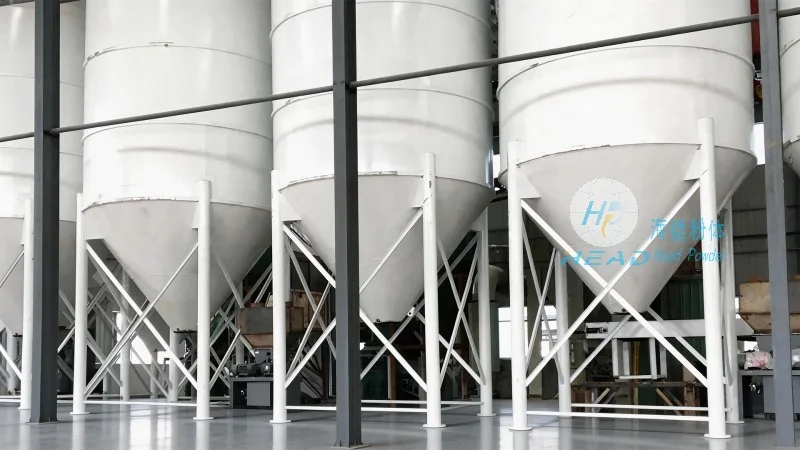
Mung bean powder conveying lines are specialized industrial systems engineered to handle the transportation of mung bean powder from one location to another within processing facilities. These systems are critical in the food processing industry, particularly for operations that involve the handling of fine powders like mung bean flour. The design of such lines is tailored to ensure efficient, safe, and hygienic material transfer, addressing the unique challenges posed by mung bean powder, including its fine particle size, potential for dust generation, and the need for contamination control.
Understanding the Core Function of a Mung Bean Powder Conveying Line
At its core, a mung bean powder conveying line serves to move mung bean powder through a series of stages, from initial collection to final discharge. This process typically involves feeding, conveying, and controlling the flow of the powder. The primary goal is to achieve seamless material transfer while maintaining product integrity and operational efficiency. The system must be capable of handling varying flow rates, ensuring consistent performance even under different production demands.
Key Design Principles Behind Mung Bean Powder Conveying Systems
The design of mung bean powder conveying lines adheres to several fundamental principles to ensure optimal performance. One of the most critical is the prevention of powder accumulation and blockages, which can lead to system downtime and product loss. This is achieved through the use of appropriate materials, such as stainless steel or food-grade plastics, which are resistant to corrosion and easy to clean. Additionally, the design incorporates features like smooth surfaces and rounded corners to minimize the risk of powder sticking or clogging.
Another key principle is the maintenance of airtight and dust-free conditions. Mung bean powder is prone to generating dust, which can affect product quality and pose health hazards. Therefore, conveying lines are often equipped with dust collection systems and sealed components to contain particles and prevent contamination. The system also prioritizes energy efficiency, using components that minimize power consumption while maximizing conveying capacity.
Components and Their Roles in the Conveying Process
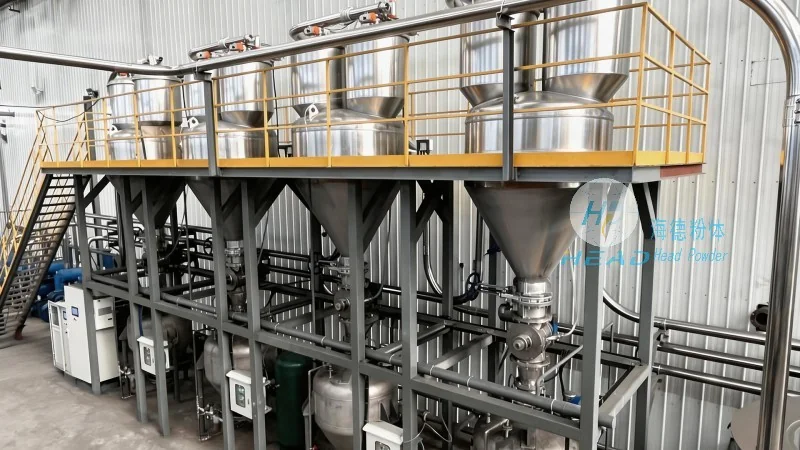
A typical mung bean powder conveying line consists of several interconnected components, each playing a vital role in the overall operation. The primary components include a hopper for material storage, a feeder to regulate the flow of powder into the conveying system, and a conveyor mechanism (such as a screw conveyor or pneumatic conveyor) to transport the powder. The hopper is designed to hold a sufficient quantity of mung bean powder, ensuring a steady supply to the feeder. The feeder, often a rotary valve or a vibratory feeder, controls the rate at which powder enters the conveyor, preventing overloading and ensuring consistent flow.
The conveyor mechanism is the heart of the system, responsible for moving the powder through the line. Screw conveyors use rotating screws to push the powder forward, while pneumatic conveyors use air pressure to carry the powder in a stream. Both types are commonly used in mung bean powder applications, with the choice depending on factors like the powder's moisture content, particle size, and the required conveying distance. The system also includes a discharge hopper at the end to collect the conveyed powder, and sometimes a dust collection system to capture any particles that escape during the process.
Application Scenarios and Operational Efficiency
Mung bean powder conveying lines are widely used in various food processing applications, including the production of mung bean flour, snacks, and other food products. In these scenarios, the system's efficiency directly impacts production output and product quality. For example, in a mung bean flour mill, the conveying line must handle large volumes of fine powder while maintaining low dust levels to meet quality standards. The system's design must also accommodate changes in production volume, such as during peak seasons or when processing different varieties of mung beans.
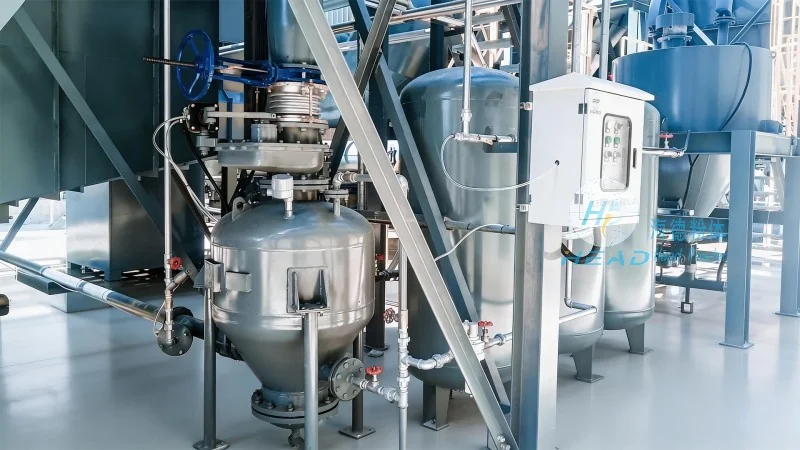
Operational efficiency is enhanced through features like automated control systems, which allow for real-time monitoring and adjustment of the conveying process. These systems can adjust the feeder speed or conveyor speed based on the current demand, ensuring that the system operates at its optimal capacity. Additionally, the use of energy-efficient components reduces operational costs over time, making the system more cost-effective for long-term use.
About Shandong HeadPowder Engineering Co., Ltd.
Shandong HeadPowder Engineering Co., Ltd. is a leading manufacturer specializing in the design and production of powder conveying systems, including mung bean powder conveying lines. With a strong focus on quality and innovation, the company has established itself as a trusted partner in the food processing industry. HeadPowder's team of engineers and technicians work closely with clients to understand their specific needs and develop customized solutions that meet their operational requirements.
The company's facilities are equipped with advanced manufacturing technology and quality control measures to ensure that every product meets the highest standards. HeadPowder's mung bean powder conveying lines are designed to be durable, reliable, and easy to maintain, providing long-term value to customers. The company also offers after-sales support, including installation, training, and maintenance services, to ensure that clients can maximize the performance of their equipment.