

What is a Perlite Powder Conveying Line? And What Are Its Design Principles?
Perlite powder conveying lines are specialized systems engineered to handle the transportation of perlite powder, a lightweight, volcanic glass material commonly used in construction, horticulture, and industrial applications. These lines are crucial for ensuring efficient and safe material movement from storage to processing or end-use points. Understanding the components and design principles of such systems is essential for optimizing operational efficiency and maintaining product integrity.
Key Components of a Perlite Powder Conveying Line
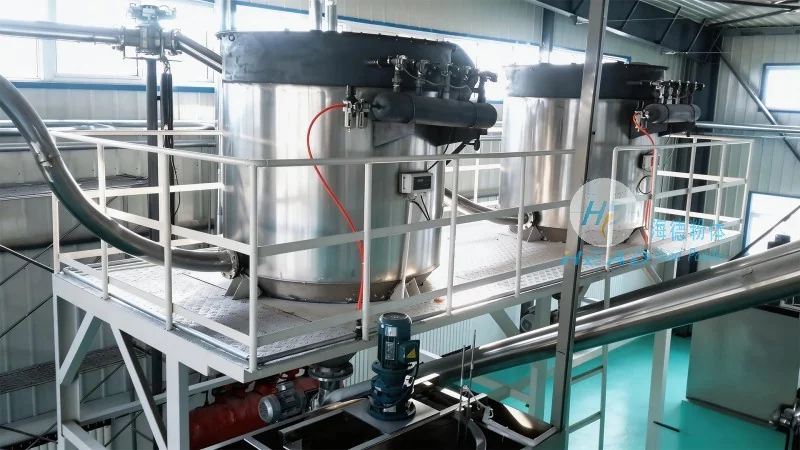
At the core of a perlite powder conveying line are several critical components that work in tandem to facilitate smooth material flow. The primary elements include a hopper or storage silo for holding the perlite powder, a feeding mechanism (such as a rotary valve or screw feeder) to control the discharge rate, and a conveyor system—often a pneumatic or mechanical conveyor—that transports the powder through the line. Additionally, the system may incorporate dust collection and filtration equipment to maintain air quality and comply with environmental regulations. Each component is carefully selected and integrated to ensure compatibility with perlite's unique properties, such as its low density and tendency to create dust.
Design Principles for Efficient Material Handling
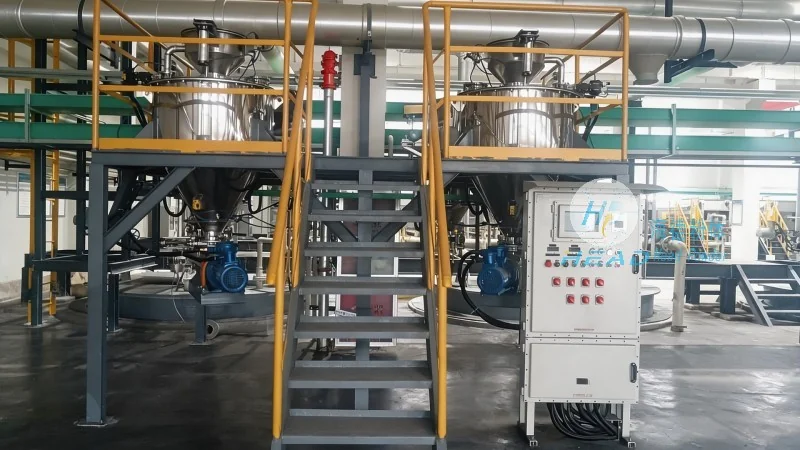
The design of a perlite powder conveying line is guided by several key principles aimed at maximizing efficiency, safety, and reliability. First, the system must address the material's flow characteristics. Perlite is a free-flowing powder but can be prone to bridging or rat-holing in storage vessels, so the hopper design often includes conical or wedge-shaped sections with proper aeration to prevent these issues. Second, the feeding mechanism must provide consistent and controlled discharge to avoid overloading the conveyor, which could lead to blockages or equipment wear. Third, the conveyor itself is typically chosen based on the required capacity and distance of transport. For short distances, mechanical conveyors like belt or screw conveyors may be used, while longer distances or complex layouts may require pneumatic systems that use air pressure to move the powder through pipes.
Ensuring Safety and Compliance in Design
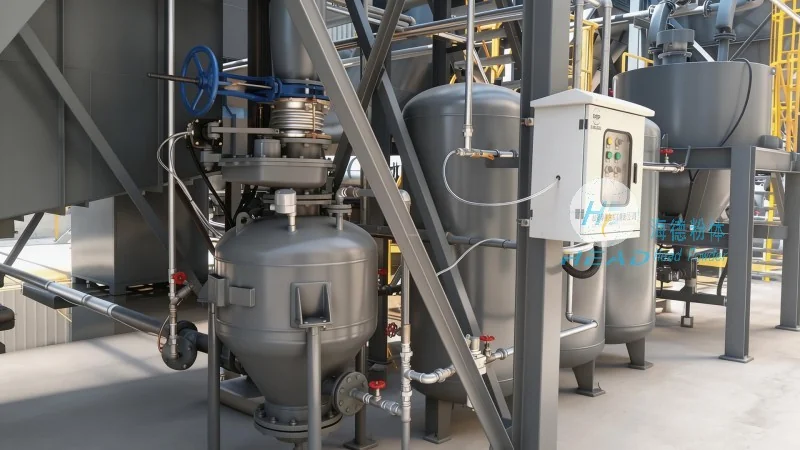
Due to the dusty nature of perlite powder, safety and environmental compliance are paramount in the design of conveying lines. The system must incorporate robust dust collection and filtration systems to capture airborne particles and prevent their release into the environment. This not only protects workers from respiratory hazards but also ensures adherence to local and national regulations regarding air quality. Additionally, the equipment is often constructed with materials resistant to corrosion and abrasion, as perlite can be abrasive and may contain moisture that could lead to rust or degradation over time. Proper sealing of all joints and connections is also critical to prevent leaks and maintain the integrity of the material being transported.
HeadPowder's Expertise in Perlite Powder Conveying Solutions
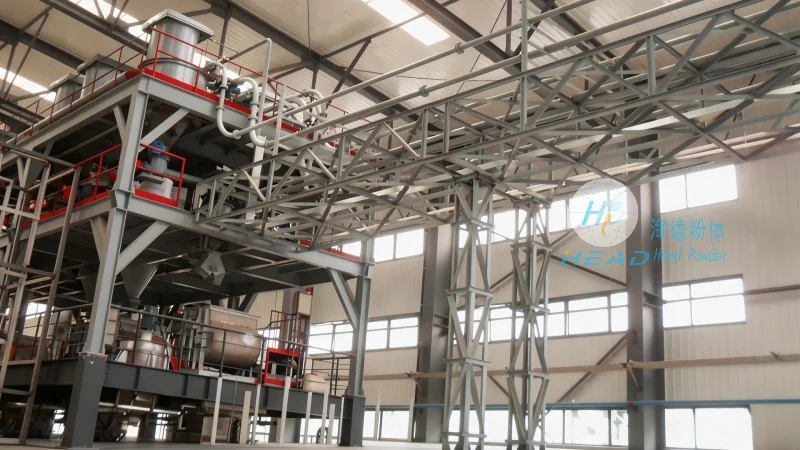
Shandong HeadPowder Engineering Co., Ltd., commonly known as HeadPowder, is a leading provider of specialized powder handling systems, including perlite powder conveying lines. With years of experience in the industry, HeadPowder has developed a deep understanding of the unique challenges associated with handling perlite and other fine powders. The company's team of engineers and technicians works closely with clients to design customized solutions that meet specific operational requirements, such as capacity, distance, and environmental constraints. HeadPowder's approach emphasizes not just the functionality of the system but also its durability, ease of maintenance, and long-term cost-effectiveness. By leveraging advanced materials and engineering techniques, HeadPowder ensures that its conveying lines deliver reliable performance while adhering to the highest safety and quality standards.