

What is a Chloroprene Rubber Powder Conveying Line? What Are Its Design Principles?
Chloroprene rubber, also known as neoprene, is a versatile synthetic polymer widely used in industrial applications due to its excellent resistance to oil, chemicals, and weathering. When handling chloroprene rubber powder, efficient and reliable conveying systems are essential to ensure smooth material flow and maintain product quality. This article explores the concept of a chloroprene rubber powder conveying line and delves into its core design principles, providing insights into how such systems are engineered for optimal performance.
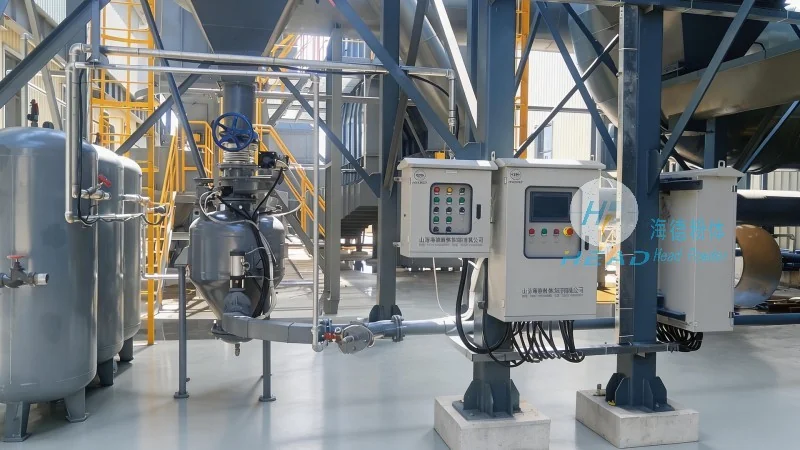
About the Manufacturer
The information presented here is provided by Shandong HeadPowder Engineering Co., Ltd., a leading manufacturer in the field of powder handling equipment. HeadPowder specializes in developing and supplying advanced conveying solutions tailored to the unique needs of various industries, including those dealing with rubber powders. With a focus on innovation and quality, the company has established itself as a trusted partner for businesses seeking efficient and durable powder transport systems.
HeadPowder is headquartered in Shandong, China, where the company operates its research and development facilities, manufacturing plants, and customer service centers. The company's commitment to excellence is reflected in its state-of-the-art production processes and rigorous quality control measures, ensuring that every product meets the highest industry standards.
Design Principles of Chloroprene Rubber Powder Conveying Lines
The design of a chloroprene rubber powder conveying line is a complex process that involves integrating several key components to achieve efficient material transport. The primary goal is to move the powder from a storage or processing point to a destination, such as a mixer, extruder, or storage silo, while minimizing material degradation and ensuring consistent flow rates. Several critical design principles guide the development of these systems:
1. **Material Compatibility**: The conveying line must be constructed from materials that are compatible with chloroprene rubber. This includes using corrosion-resistant materials like stainless steel, PTFE-coated components, or specialized elastomers to prevent contamination and ensure the integrity of the rubber powder. The choice of materials is crucial to maintain the purity of the product and avoid any chemical reactions that could alter its properties.
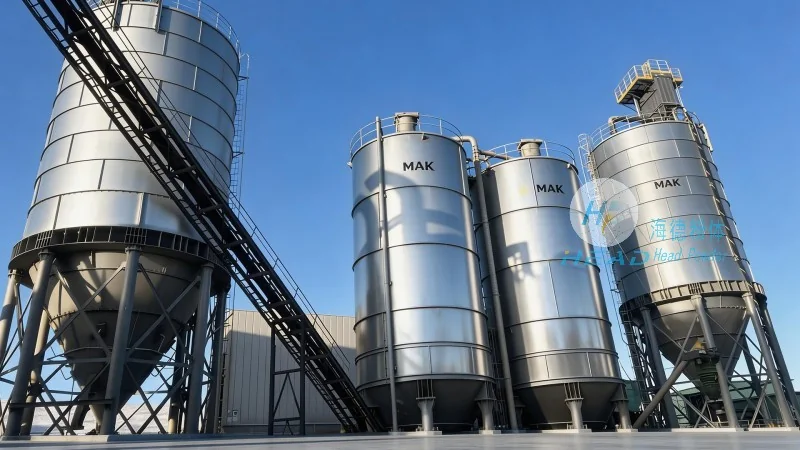
2. **Aeration and Flow Control**: Chloroprene rubber powder can be prone to bridging, caking, or segregation, which can disrupt the conveying process. Designers incorporate aeration systems, such as air knives or rotary airlocks, to break up agglomerates and maintain a consistent flow. Additionally, flow control devices, like variable speed drives and adjustable feeders, are integrated to regulate the material's velocity and prevent overloading of the system.
3. **Dust Control and Safety**: Handling chloroprene rubber powder generates dust, which poses health and safety risks. The design incorporates dust collection systems, including cyclones and baghouses, to capture airborne particles and ensure a clean working environment. Furthermore, the system is equipped with safety features, such as explosion-proof components and emergency shut-off valves, to protect operators and equipment from potential hazards.
4. **Energy Efficiency**: Modern conveying lines are designed with energy efficiency in mind. This includes using low-friction components, optimizing the layout to reduce the number of bends and vertical lifts, and implementing variable frequency drives (VFDs) to adjust motor speed based on the load. These measures help reduce operational costs and minimize the environmental impact of the system.
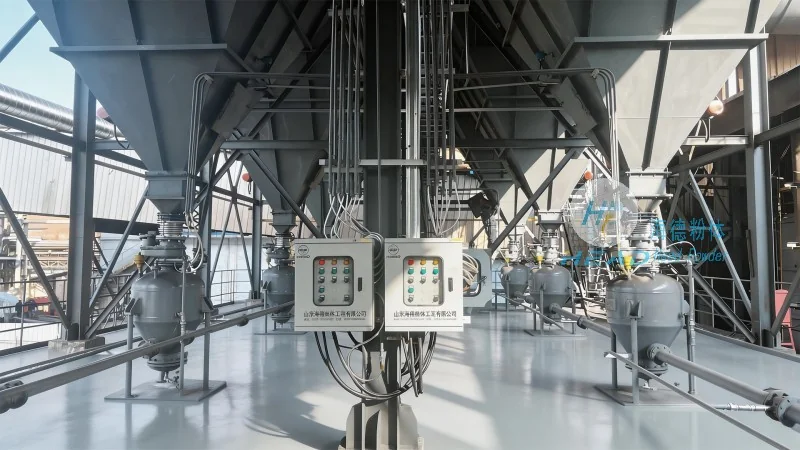
5. **Maintenance and Accessibility**: The design also considers ease of maintenance and accessibility. Components are arranged to allow for easy inspection, cleaning, and replacement of parts. This ensures that the system can be quickly serviced, minimizing downtime and maximizing productivity.
Key Features and Benefits
Chloroprene rubber powder conveying lines offer several advantages that make them ideal for industrial applications. These systems are designed to handle the unique properties of chloroprene rubber, ensuring that the material is transported efficiently without degradation. Some of the key features include:
• **High Capacity and Reliability**: The systems are engineered to handle high volumes of powder while maintaining consistent flow rates, reducing the risk of bottlenecks or material buildup.
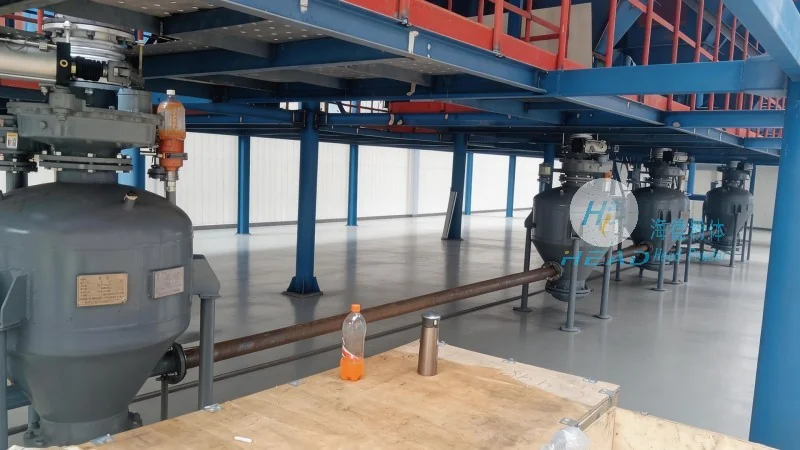
• **Low Maintenance Costs**: The use of durable materials and well-designed components minimizes the need for frequent repairs, leading to lower long-term maintenance expenses.
• **Customization Options**: HeadPowder offers customized solutions tailored to specific customer requirements, including different material handling capacities, control systems, and integration with existing production lines.
• **Safety and Compliance**: The systems comply with industry safety standards and regulations, providing a secure working environment for operators and ensuring product quality.
Conclusion
Chloroprene rubber powder conveying lines are essential equipment for industries that rely on this versatile polymer. The design principles outlined above highlight the importance of material compatibility, flow control, dust management, energy efficiency, and maintenance accessibility. By understanding these principles, businesses can select or design a conveying system that meets their specific needs, ensuring efficient and reliable powder transport. Shandong HeadPowder Engineering Co., Ltd. provides comprehensive solutions for chloroprene rubber powder handling, combining advanced engineering with quality manufacturing to deliver systems that enhance productivity and product quality.