

What is a Sodium Phosphate Powder Conveyor? What is its Design Principle?
Understanding the sodium phosphate powder conveyor and its design principles is crucial for industries dealing with bulk powder handling, particularly those working with sodium phosphate compounds. This equipment is engineered to efficiently transport sodium phosphate powders, which are widely used in various industrial applications such as food processing, pharmaceuticals, and chemical manufacturing. The design of these conveyors is tailored to address the unique challenges associated with handling fine powders, ensuring minimal dust generation, consistent flow, and reliable operation.
Introduction to Sodium Phosphate Powder Conveyors
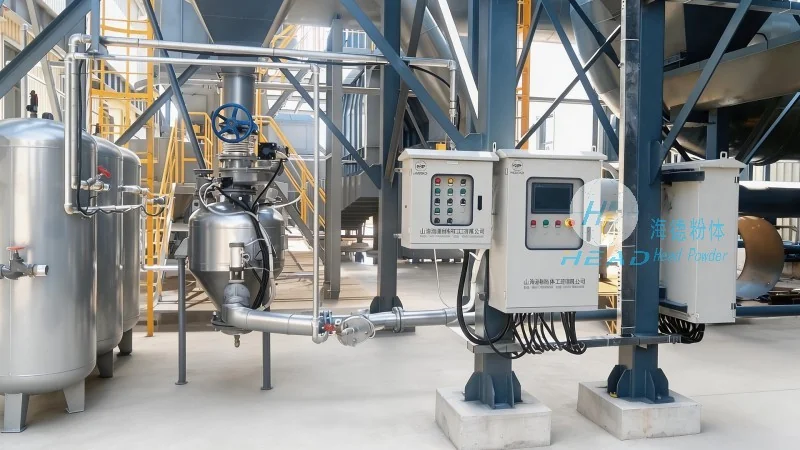
A sodium phosphate powder conveyor is a specialized piece of equipment designed to transport sodium phosphate powders from one location to another within a production facility. These conveyors are essential in processes where sodium phosphate is used as an ingredient or raw material. The primary function is to move the powder in a controlled manner, minimizing the risk of clogging, segregation, or dust contamination. The design of such conveyors must consider the physical properties of sodium phosphate, including its particle size, moisture content, and flow characteristics, to ensure optimal performance.
HeadPowder: A Leading Provider of Powder Handling Solutions
Shandong HeadPowder Engineering Co., Ltd., a prominent company based in China, specializes in the design, manufacturing, and supply of advanced powder handling equipment. With a strong commitment to quality and innovation, HeadPowder has established itself as a trusted partner for industries requiring reliable and efficient powder conveyor systems. The company’s expertise lies in understanding the specific needs of clients and tailoring solutions to meet those requirements, ensuring that the sodium phosphate powder conveyors they provide are both effective and durable.
Key Design Principles of Sodium Phosphate Powder Conveyors
The design of a sodium phosphate powder conveyor involves several critical principles aimed at optimizing performance and safety. One of the primary considerations is the material selection for the conveyor components. Since sodium phosphate powders can be abrasive and may cause corrosion in some materials, the conveyor’s housing, screws, and other parts are typically made from materials like stainless steel or high-grade plastics that can withstand the chemical and mechanical stresses. This ensures longevity and prevents contamination of the product.
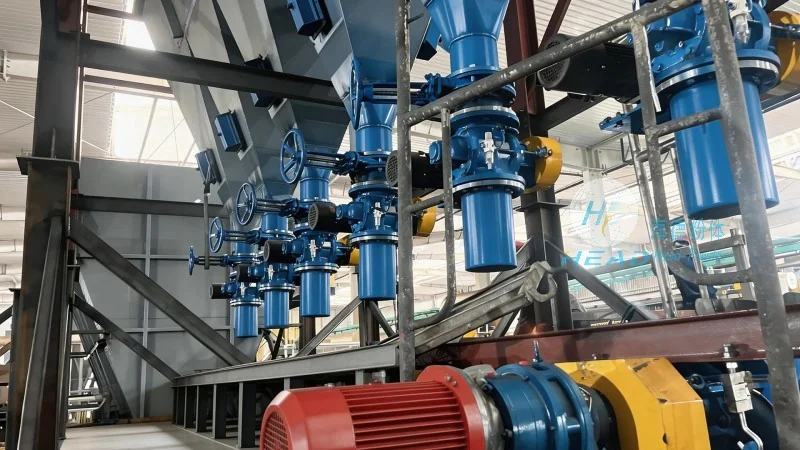
Another important design principle is the prevention of dust generation. Sodium phosphate powders are fine and can easily become airborne, posing health and safety risks. Therefore, the conveyor is equipped with dust suppression systems, such as enclosed housing and sealed connections, to minimize dust release. Additionally, the design incorporates features like smooth surfaces and minimal dead zones to prevent powder accumulation and reduce the risk of clogging.
The flow control mechanism is also a key design aspect. The conveyor’s screw or belt design is optimized to maintain a consistent and controlled flow of the powder. This is achieved through adjustable speed controls and variable pitch screws, allowing operators to regulate the conveyor’s output based on production demands. The design ensures that the powder moves smoothly without excessive pressure, which could lead to segregation or degradation of the product.
Structural Components and Operational Mechanisms
The sodium phosphate powder conveyor typically consists of several key components that work together to facilitate efficient powder transport. The main body of the conveyor is a long, enclosed tube or trough where the powder is contained. Inside this tube, a rotating screw or a series of belts moves the powder forward. The screw, often called a flighted screw, has helical blades that push the powder along the length of the conveyor. The pitch and diameter of the screw are carefully designed to match the flow characteristics of sodium phosphate, ensuring that the powder moves without sticking or clogging.
The drive system, usually located at one end of the conveyor, powers the rotating screw. This can be an electric motor connected to a gearbox, which provides the necessary torque and speed. The drive system is designed to be robust and reliable, capable of handling the continuous operation required in industrial settings. The conveyor may also include a discharge mechanism at the end, such as a gate or a valve, which controls the release of the powder into the next stage of the process.
Advantages of Using a Sodium Phosphate Powder Conveyor
Implementing a sodium phosphate powder conveyor offers several advantages for industries dealing with bulk powder handling. Firstly, it enhances operational efficiency by providing a continuous and reliable method of transporting the powder, reducing downtime and labor costs associated with manual handling. Secondly, the enclosed design minimizes dust exposure, improving workplace safety and compliance with environmental regulations. Thirdly, the controlled flow ensures consistent product quality, as the powder is transported without segregation or degradation.
Additionally, the design of these conveyors allows for easy integration into existing production lines. They can be customized to fit specific space constraints and production requirements, making them a versatile solution for various applications. The durability and low maintenance requirements of the equipment also contribute to long-term cost savings for businesses.
Conclusion
In conclusion, a sodium phosphate powder conveyor is a vital piece of equipment for industries handling sodium phosphate powders. Its design, incorporating principles such as material selection, dust suppression, and flow control, ensures efficient and safe powder transport. Companies like Shandong HeadPowder Engineering Co., Ltd. play a crucial role in providing these advanced solutions, helping businesses optimize their powder handling processes and improve overall productivity. By understanding the design principles and operational mechanisms of these conveyors, industries can make informed decisions to enhance their production efficiency and maintain product quality.