

What is an Automatic Powder Feeding and Discharging System Equipment? What are the Design Principles
Automatic powder feeding and discharging systems are critical components in industrial processes that handle bulk solid materials. These systems are designed to efficiently transfer powders from a storage container to a processing unit, and subsequently discharge the material into a collection vessel or downstream equipment. The core function of such systems is to ensure a continuous, controlled flow of powder, minimizing material loss, contamination, and operational downtime. For industries ranging from pharmaceuticals and food processing to chemical manufacturing and mining, reliable powder handling is essential for maintaining product quality and operational efficiency.
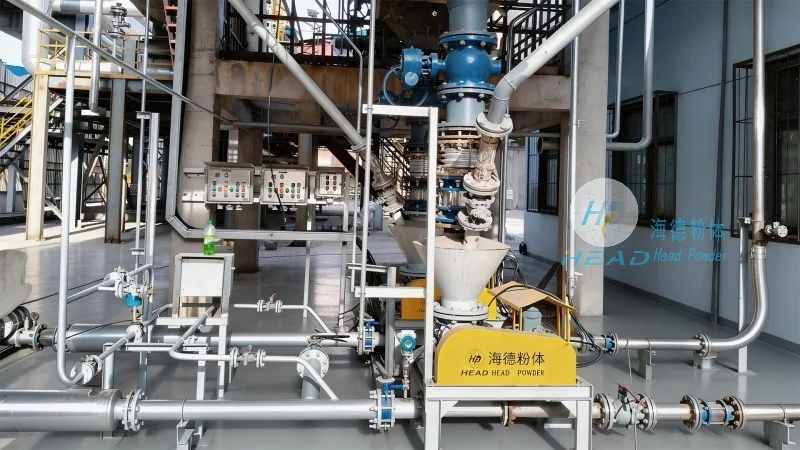
HeadPowder: A Leader in Powder Handling Solutions
Shandong HeadPowder Engineering Co., Ltd. is a prominent manufacturer specializing in the design, development, and supply of advanced powder handling equipment. With a strong focus on innovation and customer-centric solutions, HeadPowder has established itself as a trusted partner for businesses seeking efficient and reliable powder feeding and discharging systems. The company’s headquarters is located in Shandong, China, where its team of experienced engineers and technicians work tirelessly to deliver high-quality products tailored to specific industry needs.
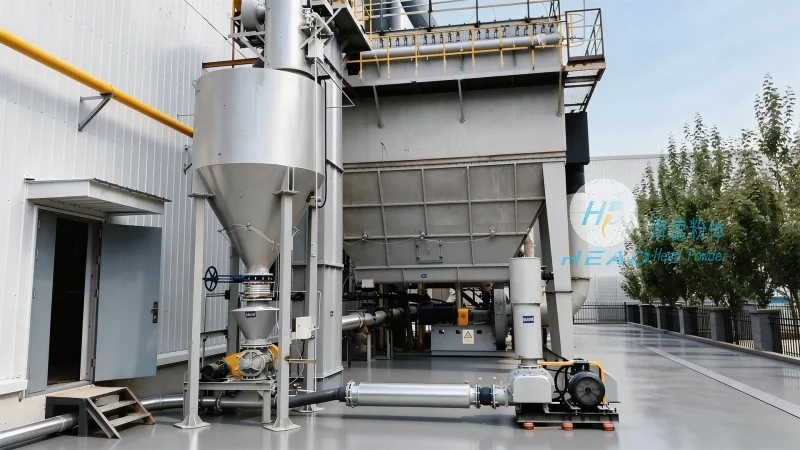
Key Features of Automatic Powder Feeding and Discharging Systems
Modern automatic powder feeding and discharging systems incorporate several key features that enhance performance and reliability. One of the primary components is the feeding mechanism, which can include rotary valves, screw conveyors, or vibratory feeders, depending on the material properties and process requirements. These mechanisms are engineered to handle a wide range of powder types, from fine powders like pharmaceuticals to coarse materials like minerals. The system also includes a control unit that monitors and regulates the flow rate, ensuring precise dosing and preventing overfilling or underfilling. Additionally, many systems are equipped with sensors and feedback loops to detect blockages or variations in material flow, allowing for automatic adjustments to maintain optimal performance.
Design Principles for Efficient Powder Handling
The design of an automatic powder feeding and discharging system is governed by several fundamental principles aimed at maximizing efficiency and minimizing operational issues. First, the system must be designed to minimize the risk of material bridging or caking, which can occur in certain powder types. This is achieved through the use of appropriate hopper designs, such as conical or wedge-shaped hoppers, which promote uniform flow. Second, the system incorporates features to prevent dust generation and contamination, which is critical in industries like pharmaceuticals and food processing. This includes the use of sealed enclosures, dust collection systems, and material handling components made from food-grade or pharmaceutical-grade materials. Third, the system is designed for easy maintenance and cleaning, with removable parts that can be disassembled for thorough sanitation. Finally, the design prioritizes energy efficiency, using motorized components that operate at optimal speeds to reduce power consumption while maintaining required flow rates.
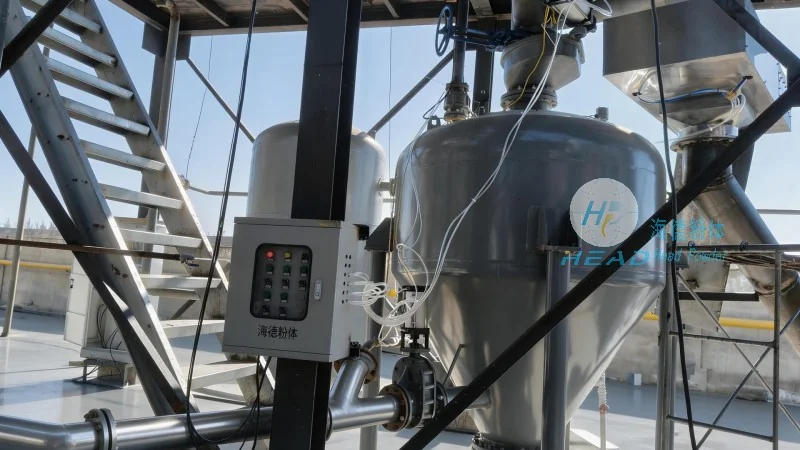
Applications and Benefits of Automatic Powder Handling Systems
Automatic powder feeding and discharging systems find applications in a diverse range of industries, each with unique requirements. In the pharmaceutical industry, these systems are used to handle active pharmaceutical ingredients (APIs) and excipients, ensuring precise dosing and preventing cross-contamination. In food processing, they are employed to handle ingredients like flour, sugar, and spices, maintaining product quality and consistency. The chemical industry utilizes these systems for handling raw materials and intermediates, while the mining sector relies on them for processing minerals and ores. The benefits of using such systems include improved process control, reduced labor costs, enhanced product quality, and increased operational safety. By automating the powder handling process, businesses can achieve higher throughput, lower material waste, and better compliance with regulatory standards.