

Phosphate Iron Lithium Powder Conveying System Equipment: Exploring Its Design Principles
Phosphate iron lithium (LFP) powder is a critical material in modern battery technology, widely used in electric vehicles, energy storage systems, and portable electronics. The efficient and reliable transport of this fine powder is essential for maintaining production efficiency and product quality. This article delves into the phosphate iron lithium powder conveying system equipment, explaining its core functions and the underlying design principles that ensure optimal performance. Shandong HeadPowder Engineering Co., Ltd. (headpowder), a leading manufacturer based in Shandong, China, specializes in the design and production of such advanced systems.
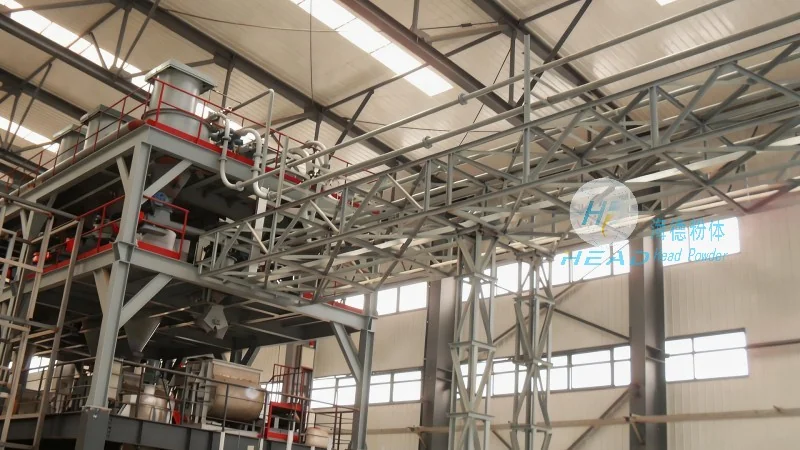
Understanding the Phosphate Iron Lithium Powder Conveying System
The phosphate iron lithium powder conveying system is a specialized piece of industrial equipment designed to handle the transportation of LFP powder from one location to another within a manufacturing facility. It plays a vital role in the battery production process, ensuring that the powder is moved safely, efficiently, and without degradation. The system typically includes components such as hoppers, feeders, conveyors, and control systems, all working in tandem to achieve seamless material flow. headpowder's systems are engineered to meet the stringent requirements of modern battery manufacturing, providing high precision and reliability.
Key Components and Their Functions
At the heart of the phosphate iron lithium powder conveying system are several key components that work together to facilitate the movement of the powder. The first component is the hopper, which serves as a storage vessel for the LFP powder. It is designed with a conical or rectangular shape to minimize material bridging and ensure consistent flow. The hopper is usually made of stainless steel or other corrosion-resistant materials to prevent contamination and maintain the purity of the powder. This design is crucial for LFP powder, as it is sensitive to moisture and air, which can cause oxidation and reduce its performance.
Next, the feeder is responsible for controlling the rate at which the powder is discharged from the hopper. There are various types of feeders, including rotary valves, vibratory feeders, and screw feeders, each with its own advantages depending on the specific application. The feeder ensures that the powder is released at a controlled rate, preventing overloading of the conveyor and maintaining a steady flow. For LFP powder, a rotary valve or vibratory feeder is often preferred due to their ability to handle fine powders without causing blockages.
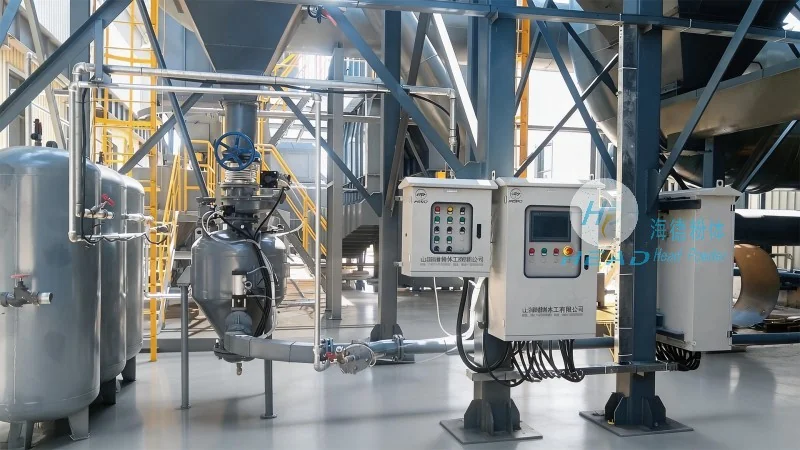
The conveyor itself is the primary mechanism for transporting the powder. Common types include pneumatic conveyors, which use air pressure to move the powder through a pipeline, and mechanical conveyors, such as belt or screw conveyors. Pneumatic conveyors are particularly effective for fine powders like LFP, as they can handle high volumes and provide gentle handling to prevent particle degradation. Mechanical conveyors, on the other hand, are often used for bulk material transport and may be more suitable for larger particle sizes. headpowder's systems often incorporate a combination of these technologies to achieve optimal performance.
Finally, the control system monitors and regulates the operation of the entire conveying process. It includes sensors to detect the level of powder in the hopper, the flow rate through the feeder, and the pressure in the pneumatic system. The control system ensures that the conveyor operates within safe and efficient parameters, alerting operators to any issues such as blockages or low material levels. This real-time monitoring helps to prevent downtime and maintain consistent production.
The Design Principles Behind the System
The design of the phosphate iron lithium powder conveying system is guided by several key principles to ensure optimal performance and reliability. The first principle is the minimization of material degradation. LFP powder is sensitive to moisture and air, and any exposure can lead to oxidation or agglomeration, reducing its performance in batteries. The system is designed with airtight components and proper sealing to prevent contamination and maintain the powder's integrity. headpowder's systems use advanced sealing technologies and materials to ensure that the powder remains in a dry and inert environment throughout the conveying process.
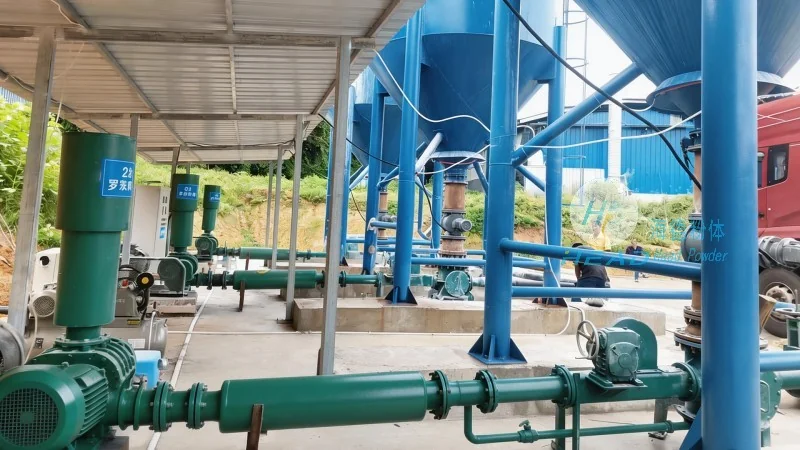
Second, the principle of energy efficiency is crucial. The conveying system should operate with minimal energy consumption while maintaining high throughput. This is achieved through the selection of appropriate conveyor types, such as energy-efficient pneumatic systems or low-friction mechanical conveyors. The control system also plays a role by optimizing the operation of the feeder and conveyor based on real-time demand. For example, the system can reduce the conveyor speed when the hopper is low on material, saving energy without affecting production.
Third, the principle of safety and reliability is paramount. The system must be designed to prevent accidents and ensure consistent operation. This includes features such as overload protection, emergency stop buttons, and regular maintenance schedules. The use of corrosion-resistant materials and proper grounding also contributes to the overall safety of the system. headpowder's systems are built with safety as a top priority, complying with international standards to protect both equipment and personnel.
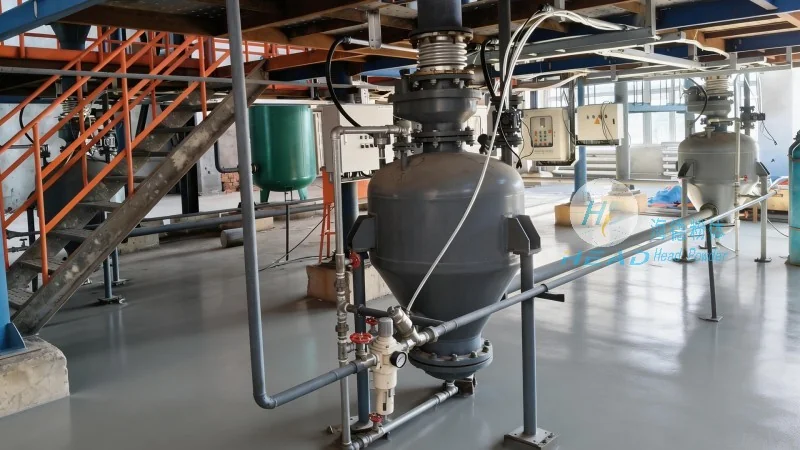
Fourth, the principle of scalability and adaptability is important for manufacturers. The system should be able to handle varying production volumes and different powder types without significant modifications. This is achieved through modular design, where components can be added or removed as needed. The control system also allows for easy integration with other manufacturing equipment, such as mixing and coating machines. headpowder offers customizable solutions that can be scaled up or down to meet the evolving needs of their clients.
Applications and Benefits
The phosphate iron lithium powder conveying system is widely used in various industries, particularly in the battery manufacturing sector. Its primary applications include the transport of LFP powder from raw material storage to the mixing and coating stages of battery production. The system ensures that the powder is delivered to the next process step in a consistent and controlled manner, which is critical for maintaining the quality and performance of the final battery product. In the case of headpowder's systems, they are used by leading battery manufacturers to enhance their production lines.
One of the key benefits of this system is its ability to handle fine powders without causing particle degradation. This is essential for maintaining the high energy density and cycle life of lithium iron phosphate batteries. The system also improves production efficiency by reducing downtime and minimizing material waste. By ensuring a smooth and continuous flow of powder, manufacturers can increase their output and reduce operational costs. For example, a well-designed conveying system can reduce material loss by up to 5%, leading to significant cost savings over time.