

What is a Glass Fiber Cellulose Powder Conveying System Equipment? What Are Its Design Principles?
Understanding the glass fiber cellulose powder conveying system equipment is crucial for industries that rely on efficient material handling. This equipment is specifically designed to transport glass fiber cellulose powders, a material widely used in various applications such as insulation, filtration, and composite manufacturing. The design principles behind these systems are tailored to address the unique challenges associated with handling fine, abrasive, and potentially static-charging powders.
Introduction to Glass Fiber Cellulose Powder Conveying Systems
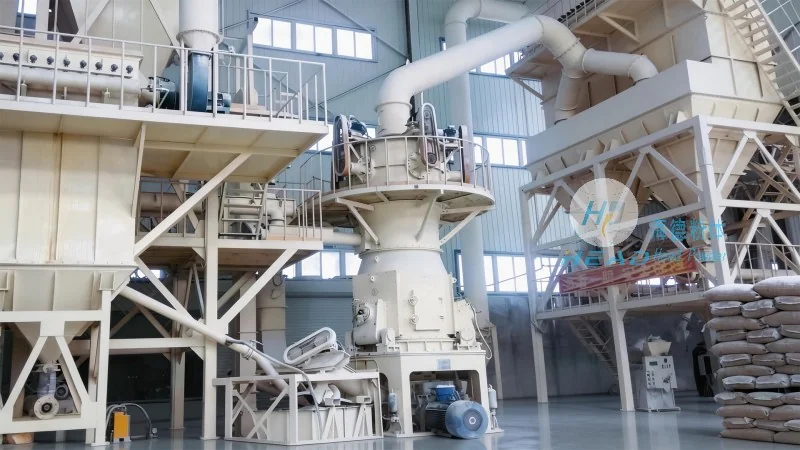
Glass fiber cellulose powders are a type of fine particulate material that requires specialized handling due to their physical properties. These powders are often lightweight, have a tendency to create static electricity, and can be abrasive to equipment components. A well-designed conveying system must account for these characteristics to ensure reliable and efficient operation. The system typically includes components like hoppers, feeders, conveyors, and control mechanisms, all working in tandem to move the powder from the source to the destination.
Key Components and Their Functions
The glass fiber cellulose powder conveying system consists of several critical components, each playing a vital role in the overall operation. The hopper is the initial storage unit where the powder is collected before being fed into the system. It is designed to prevent material bridging and ensure a consistent flow of powder. The feeder, often a rotary valve or a screw feeder, regulates the flow rate of the powder from the hopper to the conveyor. This component is crucial for maintaining a steady and controlled feed, which is essential for preventing blockages and ensuring uniform material transport. The conveyor itself, which can be a pneumatic or mechanical system, is responsible for moving the powder through the system. Pneumatic conveyors use air pressure to transport the powder, while mechanical conveyors rely on belts, screws, or buckets to move the material. The choice of conveyor type depends on factors such as the powder's properties, the distance to be covered, and the required flow rate.
Design Principles for Efficient Material Handling
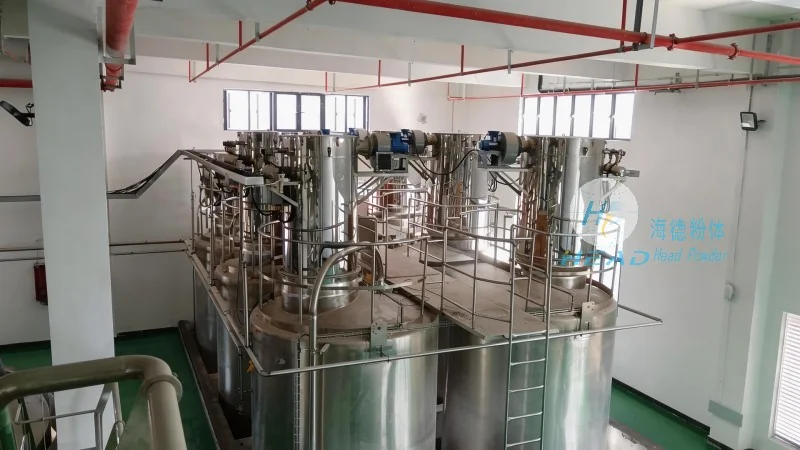
The design principles of a glass fiber cellulose powder conveying system are centered around ensuring efficient, safe, and reliable operation. One of the primary principles is to minimize material degradation and loss during transport. This is achieved by using materials that are compatible with the powder, such as stainless steel or specialized plastics, to prevent corrosion or contamination. The system also incorporates features to manage static electricity, as glass fiber powders are prone to generating static charges. Anti-static coatings or grounding mechanisms are often integrated into the equipment to prevent dust accumulation and ensure safe operation. Another key principle is to maintain a consistent flow rate and pressure within the system. This is critical for preventing blockages and ensuring that the powder reaches its destination without interruption. The design also considers the need for easy maintenance and cleaning, as these systems are often used with materials that can adhere to surfaces. Access panels and cleaning ports are typically included to facilitate regular maintenance and prevent downtime.
Applications and Industry Relevance
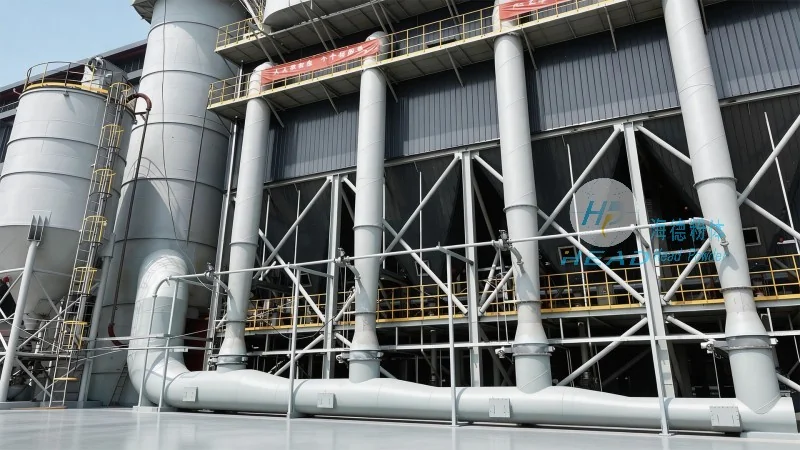
Glass fiber cellulose powder conveying systems are widely used in various industries due to the versatility of glass fiber cellulose. In the insulation industry, these systems are used to transport insulation materials to manufacturing lines. In the filtration industry, they help deliver filter media to production facilities. Additionally, in composite manufacturing, the systems ensure that the glass fiber cellulose is evenly distributed in the final product. The efficiency of these systems directly impacts production throughput and product quality, making them an essential component in many manufacturing processes.
About Shandong HeadPowder Engineering Co., Ltd.
Shandong HeadPowder Engineering Co., Ltd., commonly known as HeadPowder, is a leading manufacturer of specialized powder handling equipment. With a focus on innovation and quality, HeadPowder has developed advanced solutions for handling challenging materials like glass fiber cellulose powders. The company's expertise lies in designing systems that meet the specific needs of its clients, ensuring optimal performance and reliability. HeadPowder's commitment to customer satisfaction and technological advancement has made it a trusted partner in the industry. The company is based in Shandong, China, and serves clients globally with its high-quality equipment and technical support.