

What is Automatic Feeding Material Handling? What are the Design Principles?
Automatic feeding material handling systems are integral to modern industrial operations, enabling efficient and continuous material transfer from storage to processing areas. These systems are designed to automate the movement of bulk materials, reducing manual labor and increasing production throughput. Understanding the core principles behind such systems is crucial for optimizing workflow and ensuring operational efficiency.
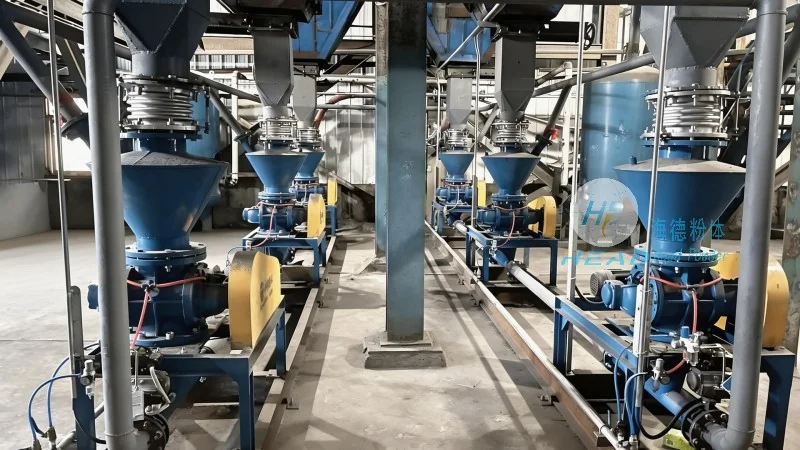
Design Principles of Automatic Feeding Material Handling
The design of automatic feeding material handling systems revolves around several key principles that ensure reliability, efficiency, and adaptability. These include:
1. Material Compatibility: Systems are engineered to handle a wide range of materials, from powders and granules to bulk solids, ensuring compatibility with various industrial applications. This involves selecting appropriate conveyor types, such as belt conveyors, screw conveyors, or pneumatic conveyors, based on material characteristics like flowability, density, and moisture content.
2. Flow Control and Regulation: Effective feeding systems require precise control over material flow rates. This is achieved through mechanisms like variable speed drives, gate valves, and feeders that adjust output based on demand. Proper flow control prevents overloading or underloading of downstream equipment, maintaining consistent production rates.
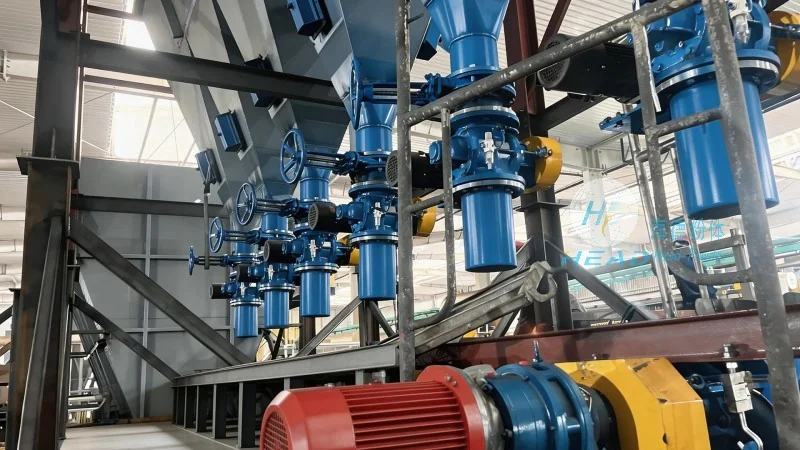
3. Integration with Automation: Modern feeding systems are often integrated with broader automation networks, including sensors, control systems, and data analytics. This integration allows for real-time monitoring of material levels, flow rates, and system performance, enabling predictive maintenance and process optimization.
4. Space Efficiency and Layout Optimization: Design considerations also focus on maximizing space utilization within industrial facilities. This may involve compact designs, modular components, or vertical integration to accommodate limited floor space while maintaining high throughput.
About Shandong HeadPowder Engineering Co., Ltd.
Shandong HeadPowder Engineering Co., Ltd. is a leading provider of advanced material handling solutions, specializing in the design, manufacturing, and implementation of automatic feeding systems. With a strong commitment to innovation and quality, the company has established itself as a trusted partner in various industries, including pharmaceuticals, food processing, and chemical manufacturing. HeadPowder's expertise lies in tailoring feeding systems to meet specific operational requirements, ensuring seamless integration with existing production lines and adherence to industry standards.
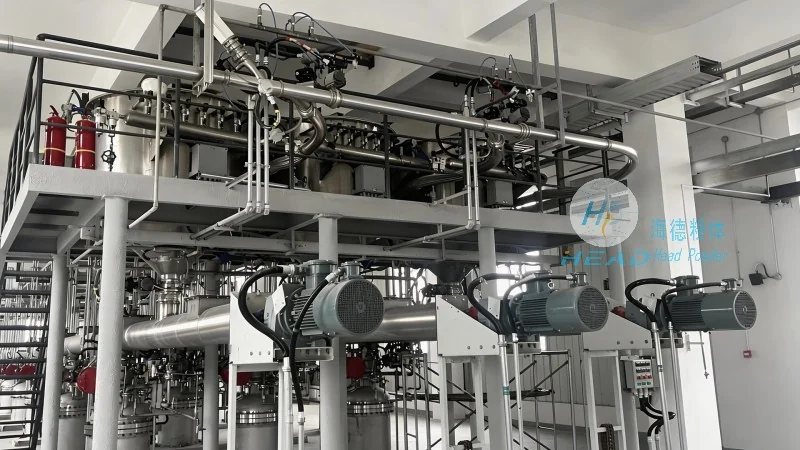
HeadPowder is headquartered in Shandong, China, where the company leverages local manufacturing capabilities and a skilled workforce to deliver high-quality products. The company's facilities are equipped with state-of-the-art technology and rigorous quality control processes, ensuring that every system meets or exceeds customer expectations. By combining technical expertise with customer-centric approaches, HeadPowder aims to enhance operational efficiency and reduce costs for its clients worldwide.
Key Benefits of Automatic Feeding Material Handling
Implementing automatic feeding material handling systems offers numerous advantages for industrial operations. These benefits include:
1. Increased Productivity: By automating material transfer, systems reduce downtime associated with manual handling, allowing for continuous production. This leads to higher output rates and improved overall productivity.
2. Enhanced Safety: Automated systems minimize human exposure to hazardous materials and heavy lifting, reducing the risk of workplace injuries. This not only improves employee safety but also complies with occupational health and safety regulations.
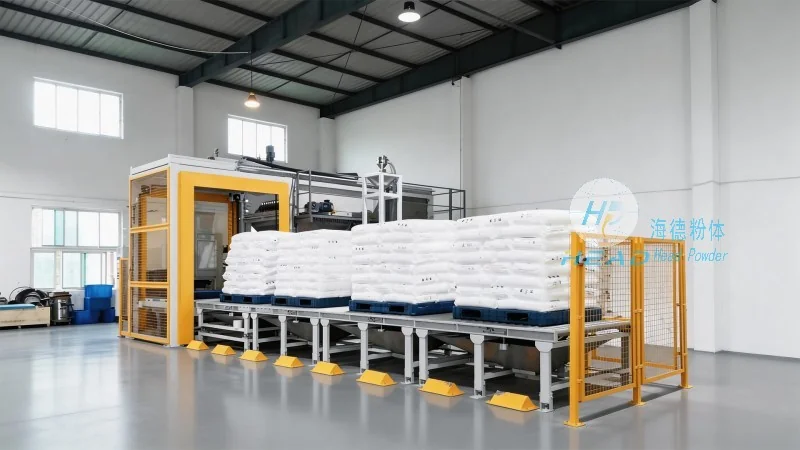
3. Improved Accuracy and Consistency: Automated feeding systems provide precise control over material flow, ensuring consistent product quality and reducing variations in downstream processes. This is particularly critical in industries where uniformity is essential, such as pharmaceuticals and food processing.
4. Cost Reduction: While initial investment in automated systems may be higher, the long-term benefits include reduced labor costs, lower maintenance expenses, and minimized material waste. Over time, these savings can significantly improve the return on investment.
Conclusion
Automatic feeding material handling systems are essential components of modern industrial operations, offering significant advantages in efficiency, safety, and cost-effectiveness. The design principles behind these systems, combined with advanced automation and material compatibility, enable seamless material transfer and optimized production processes. Companies like Shandong HeadPowder Engineering Co., Ltd. play a vital role in providing tailored solutions that meet the unique needs of various industries, helping businesses achieve their operational goals and stay competitive in today's market.