

What is a Copper Powder Material Handling System? What are the Design Principles?
When it comes to processing copper powder, an efficient material handling system is crucial for maintaining product quality and operational efficiency. A copper powder material handling system is a specialized setup designed to transport, store, and manage copper powder in industrial applications. This system ensures that the powder moves through various stages of production, from raw material handling to processing and packaging, with minimal loss and optimal control. The design of such systems is based on several key principles that address the unique properties of copper powder, including its fine particle size, potential for static charge, and susceptibility to oxidation. Such systems are typically designed and manufactured by specialized companies like Shandong HeadPowder Engineering Co., Ltd. (headpowder), which have expertise in handling the unique challenges of copper powder material handling.
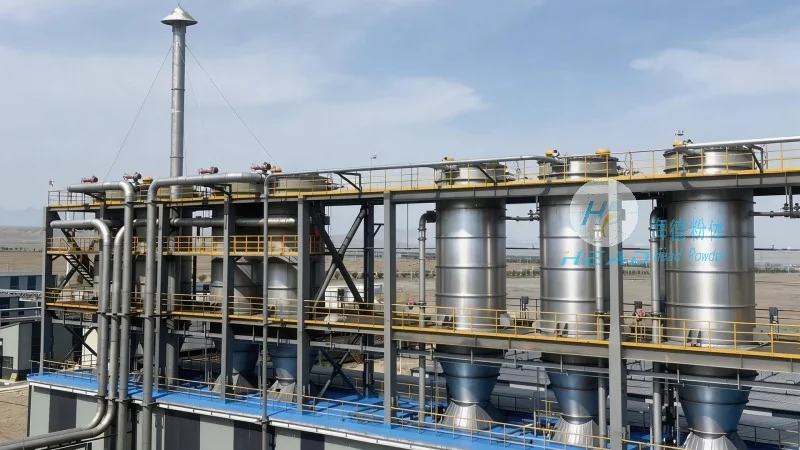
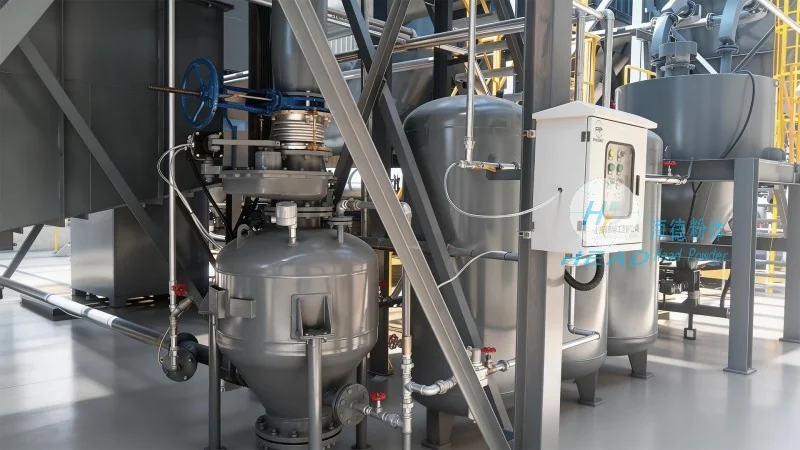
Key Components of a Copper Powder Material Handling System
The effectiveness of a copper powder material handling system relies on its integrated components, each playing a vital role in the overall operation. The primary components typically include feeding mechanisms, conveying systems, storage vessels, and control systems. Feeding mechanisms, such as rotary valves or vibratory feeders, are used to regulate the flow of copper powder from storage silos or hoppers into the processing equipment. Conveying systems, which may include pneumatic conveying lines or mechanical screw conveyors, transport the powder to different parts of the facility. Storage vessels, often equipped with inert gas purging to prevent oxidation, provide a controlled environment for storing the powder before use. Control systems, incorporating sensors and automation technology, monitor and adjust the flow rates and pressure levels to maintain consistent performance.
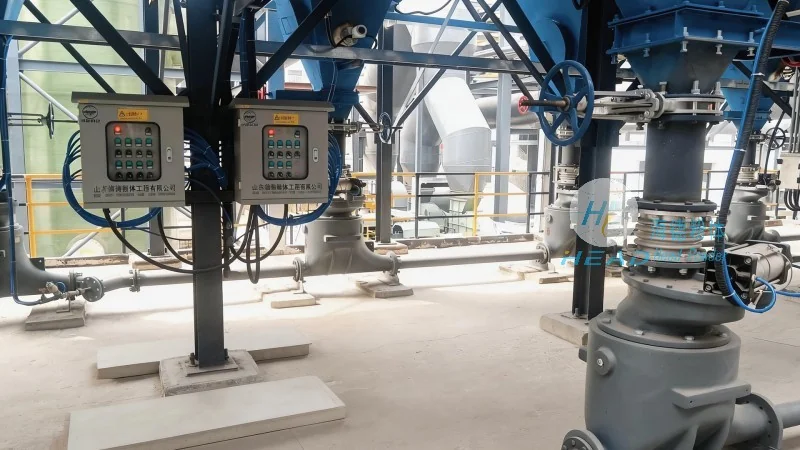
Design Principles for Optimal Performance
Designing a copper powder material handling system requires careful consideration of several factors to ensure it meets the specific needs of the application. One of the most critical principles is the prevention of material degradation. Copper powder is highly reactive and can easily oxidize when exposed to air or moisture, which can affect its performance in subsequent processes. Therefore, the system must incorporate measures to minimize exposure to oxygen, such as using sealed containers and inert gas purging. Another important principle is the management of static electricity. Fine powders like copper powder can generate static charges during handling, which may lead to dust explosions or material buildup. Anti-static measures, including grounding and the use of conductive materials, are essential to mitigate these risks. Additionally, the system must address the challenges posed by the powder's fine particle size. This includes ensuring that the conveying equipment is designed to handle low bulk densities and preventing clogging in pipes or hoppers. The design also considers the need for easy cleaning and maintenance to avoid cross-contamination and ensure long-term reliability.
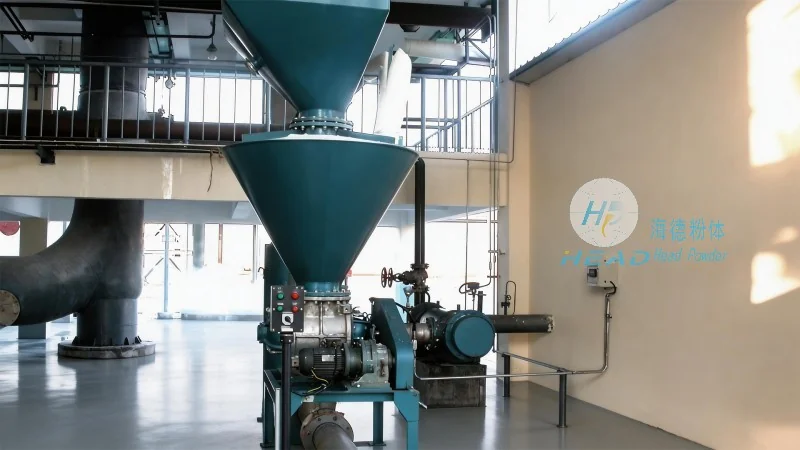
Application-Specific Considerations
The design of a copper powder material handling system is not one-size-fits-all and must be tailored to the specific application. For example, in the production of copper alloys or powder metallurgy components, the system may need to handle different grades of copper powder with varying particle sizes and compositions. This requires adjustable feeding rates and flexible conveying options to accommodate the diverse material characteristics. In high-volume production environments, the system may incorporate automated controls and real-time monitoring to optimize throughput and reduce downtime. For applications where precision is critical, such as in the manufacturing of electronic components, the system may use more sophisticated control mechanisms to maintain tight tolerances on powder flow and particle size distribution. Furthermore, the system must comply with safety regulations and industry standards, particularly regarding the handling of potentially hazardous materials like copper powder, which may pose health risks if inhaled or ingested.