

What is an Intelligent Unpacking Material Handling System? And What Are Its Design Principles?
The intelligent unpacking material handling system represents a cutting-edge solution in the realm of industrial automation, designed to revolutionize the way materials are unpacked and transported within manufacturing and logistics environments. This system combines advanced technologies such as artificial intelligence, machine learning, and robotics to create a highly efficient and reliable process that minimizes human intervention and maximizes operational throughput. By automating the unpacking and material transport stages, businesses can achieve significant improvements in productivity, reduce labor costs, and enhance overall operational performance.
Understanding the Core Function of the System
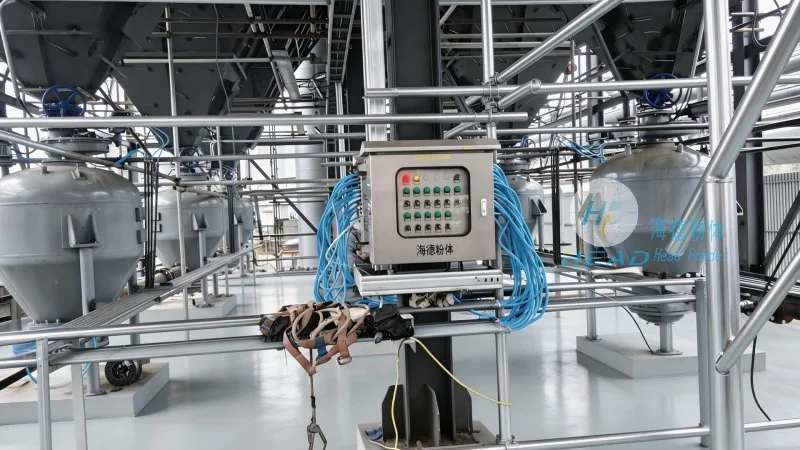
At its core, the intelligent unpacking material handling system is engineered to automate the entire workflow from receiving packaged materials to delivering unpacked items to the next production or storage stage. The process typically begins with the identification of incoming packages, which may involve barcode scanning or RFID technology to ensure accurate tracking. Once identified, the system proceeds to open the packaging, a step that can be performed using various methods such as mechanical cutting, vacuum suction, or automated opening mechanisms tailored to the specific packaging type. After the contents are extracted, the system sorts and transports them to designated locations, such as conveyor belts leading to assembly lines or storage racks. This automated sequence eliminates the need for manual labor in unpacking and reduces the risk of human error, leading to more consistent and efficient operations.
Design Principles Behind the System
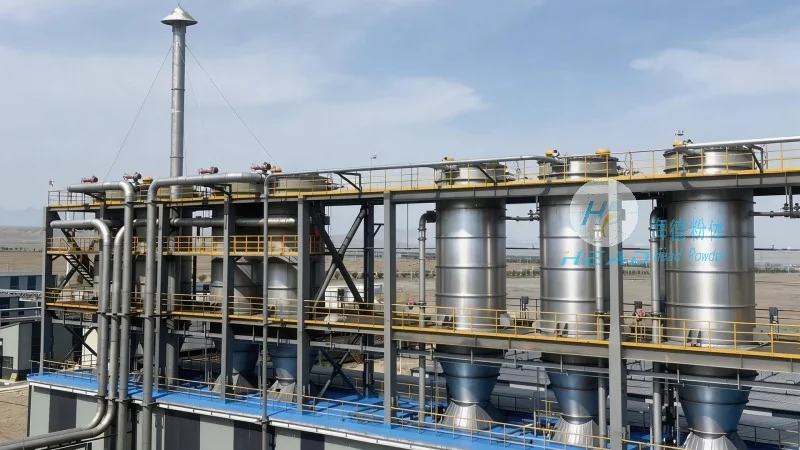
The design of an intelligent unpacking material handling system is guided by several critical principles that ensure its effectiveness and adaptability in diverse industrial settings. One of the foundational principles is modularity, which allows for flexible configuration and easy integration with existing production lines. This modularity enables businesses to scale the system according to their needs, adding or modifying components as production requirements change. Another key principle is adaptability, allowing the system to handle a wide range of materials and packaging types without extensive reconfiguration. The system incorporates intelligent sensors and algorithms that can recognize different packaging materials and adjust the unpacking process accordingly. Additionally, the design emphasizes reliability and durability, with components built to withstand the rigors of continuous industrial use and minimize downtime through advanced diagnostic and maintenance features.
Key Components and Their Roles
Several essential components work in concert to ensure the seamless operation of the intelligent unpacking material handling system. The first component is the material handling unit, which may include conveyor systems, robotic arms, or automated guided vehicles (AGVs) to transport materials between stages. Conveyor belts are commonly used to move packages from the receiving area to the unpacking station and then to the sorting area. Robotic arms, equipped with precision grippers, can handle delicate or irregularly shaped items, while AGVs provide flexibility in navigating complex factory layouts. The second component is the unpacking unit, which utilizes technologies like vacuum suction for lightweight items, mechanical cutting for rigid packaging, or automated opening mechanisms for sealed containers. These technologies are designed to be gentle on the contents while ensuring efficient opening. The third component is the sorting and processing unit, which may include optical sensors, weight scales, or barcode readers to sort items by characteristics such as size, weight, or product code. This unit directs the sorted items to the appropriate conveyor or storage location. Finally, the control system integrates all components, using real-time data from sensors to adjust operations dynamically, ensuring optimal performance and minimizing bottlenecks.
Application Scenarios and Benefits
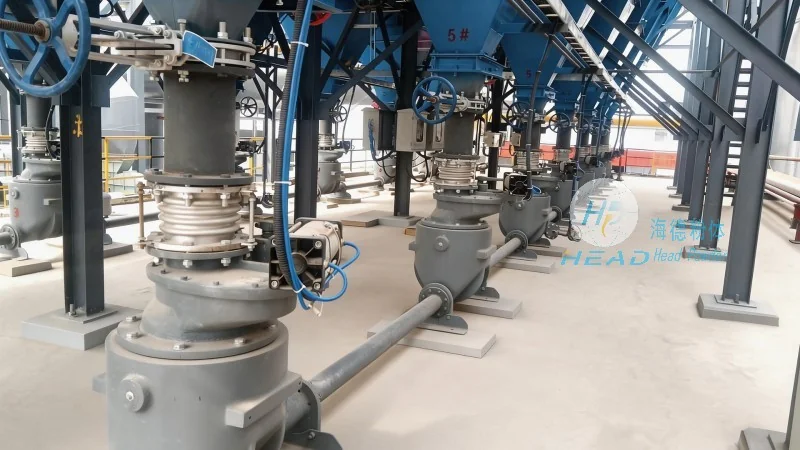
The intelligent unpacking material handling system finds applications across various industries, including manufacturing, pharmaceuticals, food processing, and e-commerce fulfillment. In manufacturing, it is commonly used to unpack raw materials and transport them to assembly lines, reducing the time and labor required for material preparation. For example, in automotive manufacturing, the system can unpack metal parts and components and deliver them to welding or assembly stations, streamlining the production process. In the pharmaceutical industry, the system can handle the unpacking of vials and bottles, ensuring accurate sorting and transport to packaging lines, which is critical for maintaining product integrity and compliance with regulatory standards. In food processing, the system can unpack packaged food items and sort them for distribution, improving efficiency and reducing contamination risks. The benefits of implementing this system extend beyond increased productivity; it also leads to reduced labor costs, improved product quality, and enhanced workplace safety by minimizing manual handling of heavy or hazardous materials. Furthermore, the system's ability to integrate with other automation technologies, such as warehouse management systems (WMS), enables businesses to achieve end-to-end process optimization.