

What Are Low-Pressure Material Handling Systems? Understanding Their Design Principles
HeadPowder, a leading provider of material handling solutions, specializes in low-pressure material handling systems. Based in Shandong, China, the company offers advanced equipment designed to efficiently transport bulk materials with minimal pressure. This article explores the fundamentals of these systems and their core design principles, providing insights into how they operate and their practical applications.
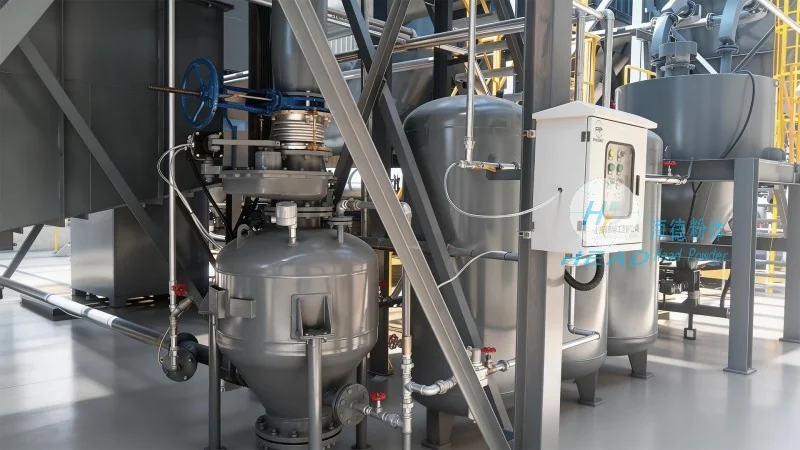
Introduction to Low-Pressure Material Handling Systems
Low-pressure material handling systems are engineered to transport bulk materials, such as powders, granules, and other granular substances, using minimal force or pressure. Unlike high-pressure systems that rely on compressive forces, low-pressure systems utilize gentle forces like air pressure, gravity, or mechanical conveyors to move materials. These systems are widely used in industries like pharmaceuticals, food processing, chemical manufacturing, and more, where material integrity and safety are paramount.
Key Design Principles of Low-Pressure Material Handling Systems
The design of low-pressure material handling systems is centered on several critical principles to ensure efficient, safe, and reliable material transport. First, the system must maintain material integrity by minimizing particle breakage or degradation during transport. This is achieved through the use of smooth, non-abrasive surfaces and gentle conveying methods. Second, the system should optimize energy efficiency by reducing power consumption and minimizing friction. This is often accomplished through the selection of appropriate conveyor types, such as pneumatic or mechanical conveyors, and the use of variable speed drives.
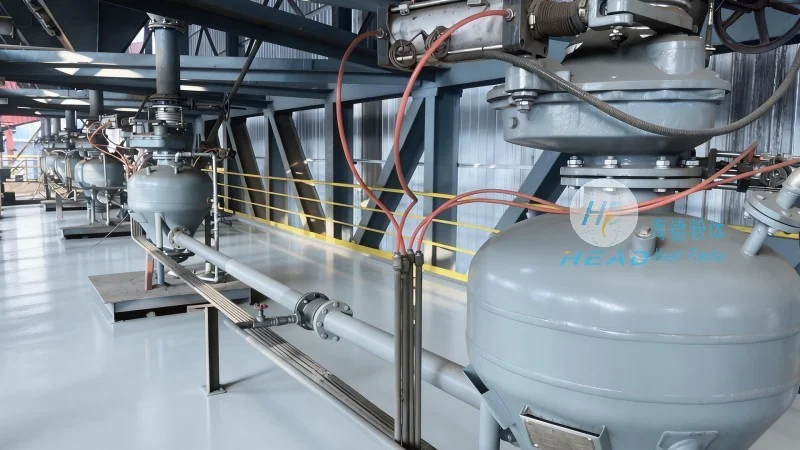
Third, the design emphasizes safety and compliance with industry regulations. Low-pressure systems are designed to prevent dust explosions and ensure operator safety by incorporating features like explosion-proof components, dust collection systems, and proper ventilation. Additionally, the systems are built to meet environmental standards, reducing emissions and waste during material handling operations. Fourth, the design considers scalability and adaptability to accommodate varying material types and production volumes. This flexibility allows the systems to be customized for specific applications, ensuring optimal performance in diverse industrial settings.
Common Components and Technologies in Low-Pressure Material Handling
Low-pressure material handling systems typically consist of several key components and technologies that work together to achieve efficient material transport. These include:
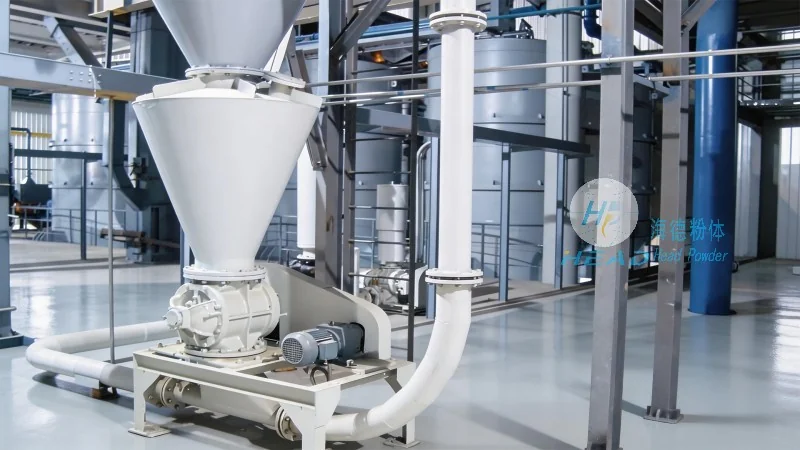
- Pneumatic Conveyors: These systems use compressed air to move materials through a network of pipes. They are ideal for transporting fine powders and granules over short to medium distances. Pneumatic conveyors can be classified as pressure or vacuum systems, depending on the method of material transport.
- Gravity Conveyors: These systems rely on the force of gravity to move materials from a higher to a lower elevation. They are commonly used in applications where the material can flow freely, such as in bulk storage and transfer operations. Gravity conveyors are energy-efficient and require minimal maintenance.
- Mechanical Conveyors: This category includes belt conveyors, screw conveyors, and bucket elevators. Belt conveyors use a continuous belt to transport materials horizontally or at a slight incline. Screw conveyors use a rotating screw to move materials through a tube, making them suitable for handling dry, free-flowing materials. Bucket elevators use buckets attached to a chain or belt to lift materials vertically.
- Dust Collection and Filtration Systems: These systems are essential for maintaining air quality and preventing dust accumulation in the material handling process. They capture and filter airborne particles, ensuring a clean and safe working environment. Proper filtration is crucial for industries dealing with hazardous or fine powders.
Applications and Benefits of Low-Pressure Material Handling Systems
Low-pressure material handling systems are widely applied in various industries due to their versatility and efficiency. In the pharmaceutical industry, these systems are used to transport active pharmaceutical ingredients (APIs) and excipients with minimal risk of contamination. The gentle handling ensures product purity and compliance with stringent regulatory standards. In food processing, low-pressure systems are employed to move ingredients like flour, sugar, and spices, maintaining food safety and quality. The systems are also used in chemical manufacturing to handle hazardous powders and granules, reducing the risk of accidents and environmental contamination.
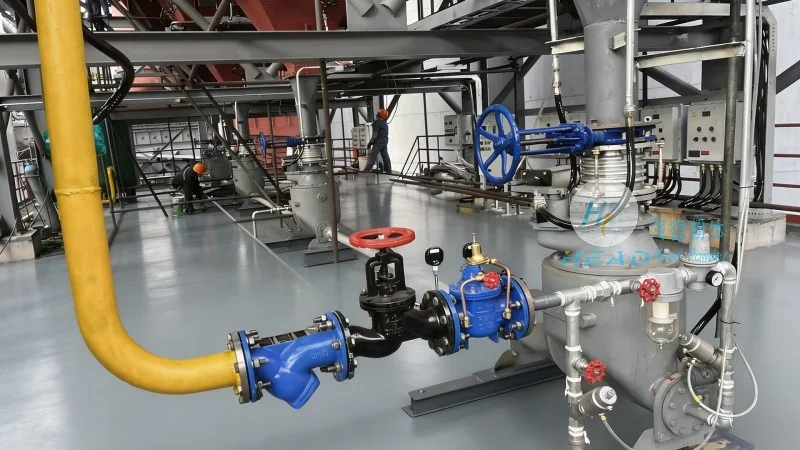
The benefits of low-pressure material handling systems extend beyond efficiency and safety. These systems are cost-effective, as they require less energy and maintenance compared to high-pressure alternatives. They also contribute to improved production throughput by reducing downtime and material loss. Additionally, the systems are designed for easy integration into existing production lines, allowing for seamless upgrades and modifications as production needs evolve.
Conclusion
Low-pressure material handling systems represent a sophisticated approach to bulk material transport, combining efficiency, safety, and adaptability. By adhering to core design principles such as material integrity preservation, energy efficiency, and compliance with regulations, these systems provide reliable solutions for diverse industrial applications. As industries continue to demand higher standards of product quality and operational safety, low-pressure material handling systems remain a critical component of modern material handling strategies. HeadPowder, with its expertise in engineering and manufacturing, continues to develop advanced low-pressure systems that meet the evolving needs of global industries.