

What is Lithium Iron Carbonate Material Handling? And What Are Its Design Principles?
Understanding the material handling processes for lithium iron carbonate is crucial in the battery manufacturing industry. This article delves into the specifics of how these materials are managed, transported, and processed, alongside an exploration of the underlying design principles that ensure efficiency and safety in such operations.
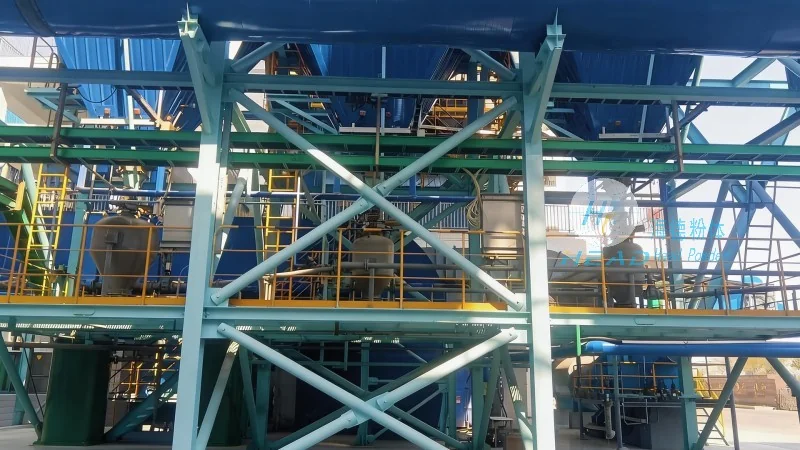
About the Company: HeadPowder
HeadPowder, formally known as Shandong HeadPowder Engineering Co., Ltd., is a leading provider of engineering solutions tailored for the handling and processing of lithium iron carbonate and related materials. With a strong presence in China, particularly in Shandong, the company specializes in designing and implementing systems that meet the stringent requirements of modern battery production facilities.
What is Lithium Iron Carbonate Material Handling?
Lithium iron carbonate material handling refers to the systematic process of moving, storing, and preparing lithium iron carbonate (LiFeCO₃) powders and granules within industrial settings. This material is a key component in lithium-ion batteries, and its handling involves precise control to prevent contamination, dust generation, and material degradation. The process typically includes steps such as bulk handling, conveying, storage, and feeding into subsequent production stages. Efficient material handling is vital to maintain product quality and ensure smooth production workflows.
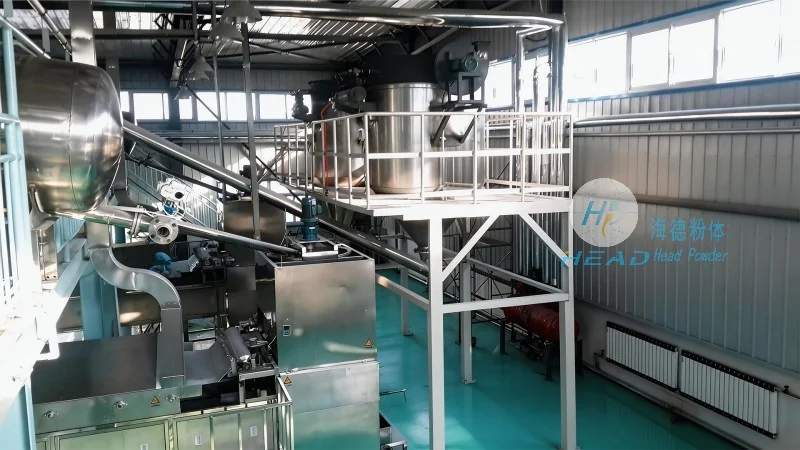
Key Design Principles for Lithium Iron Carbonate Material Handling Systems
The design of material handling systems for lithium iron carbonate must adhere to several critical principles to optimize performance and safety. First, dust control is paramount due to the fine nature of the powder, which can pose health risks and environmental hazards. Systems often incorporate sealed conveying equipment, dust collection systems, and explosion-proof designs to mitigate these risks. Second, material flow management is essential to prevent clogging and ensure consistent throughput. This involves selecting appropriate conveyor types, such as screw conveyors, pneumatic conveyors, or belt conveyors, based on the material's properties and the system's layout. Third, equipment durability and corrosion resistance are critical, as lithium iron carbonate can be abrasive and may interact with certain materials. High-quality materials, such as stainless steel or specialized coatings, are used to extend the lifespan of components. Fourth, integration with other production processes is vital to maintain a seamless workflow. The material handling system must be compatible with downstream equipment, such as mixing, pressing, or coating machines, to avoid bottlenecks and ensure efficient production.
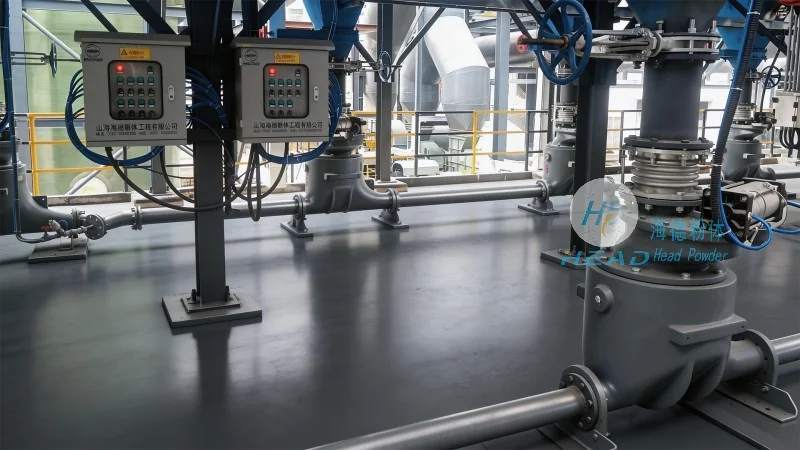
Components and Equipment in Lithium Iron Carbonate Material Handling
The material handling system for lithium iron carbonate typically consists of several key components and equipment. At the core is the bulk storage system, which may include silos or hoppers designed to store large quantities of the material while maintaining proper flow characteristics. Conveying equipment, such as screw conveyors or pneumatic conveyors, is used to transport the material from storage to processing areas. Screw conveyors are commonly used for horizontal or slight incline transport due to their ability to handle fine powders without segregation. Pneumatic conveyors, on the other hand, are suitable for longer distances and can handle both fine and coarse materials, though they require careful design to prevent pressure drops and material degradation. Additionally, feeding equipment, such as rotary valves or vibratory feeders, is used to control the flow rate of the material into downstream processes. These components work in tandem to ensure a continuous and controlled supply of lithium iron carbonate to the production line.
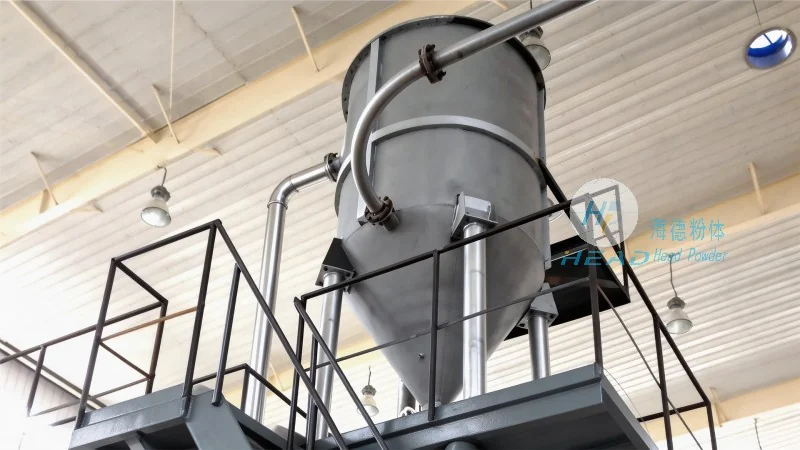
Ensuring Safety and Compliance in Material Handling
When handling lithium iron carbonate, safety and compliance with regulations are of utmost importance. The material is classified as a hazardous substance due to its potential to cause respiratory issues if inhaled. Therefore, all material handling systems must incorporate robust dust control measures, including local exhaust ventilation, dust collection systems, and personal protective equipment (PPE) for operators. Additionally, the systems must comply with local and international safety standards, such as those from the Occupational Safety and Health Administration (OSHA) or the European Union's REACH regulations. Regular maintenance and inspections are also critical to ensure that the equipment operates within safe parameters and that any potential issues are addressed promptly. By prioritizing safety and compliance, companies can minimize risks and maintain a reliable material handling operation.
Conclusion: The Importance of Proper Material Handling for Lithium Iron Carbonate
Proper material handling of lithium iron carbonate is a critical aspect of battery manufacturing, directly impacting product quality, production efficiency, and workplace safety. The design principles and equipment used in these systems must be carefully selected and implemented to address the unique challenges posed by this material. By adhering to best practices in dust control, material flow management, equipment durability, and safety compliance, companies can ensure that their lithium iron carbonate material handling systems operate efficiently and reliably. As the demand for lithium-ion batteries continues to grow, the importance of effective material handling will only increase, making it a key focus for manufacturers seeking to optimize their production processes.