

High-Calcium Stone Powder Material Handling: Understanding the Process and Design Principles
High-calcium stone powder material handling refers to the systematic process of transporting and managing high-calcium stone powder, a critical component in various industrial applications. This material, characterized by its high calcium carbonate content, is widely used in sectors such as construction, manufacturing, and chemical processing. The efficient handling of this powder is essential for maintaining production efficiency, ensuring product quality, and adhering to safety standards. In this article, we explore the fundamental aspects of high-calcium stone powder material handling and delve into the core design principles that underpin effective systems.
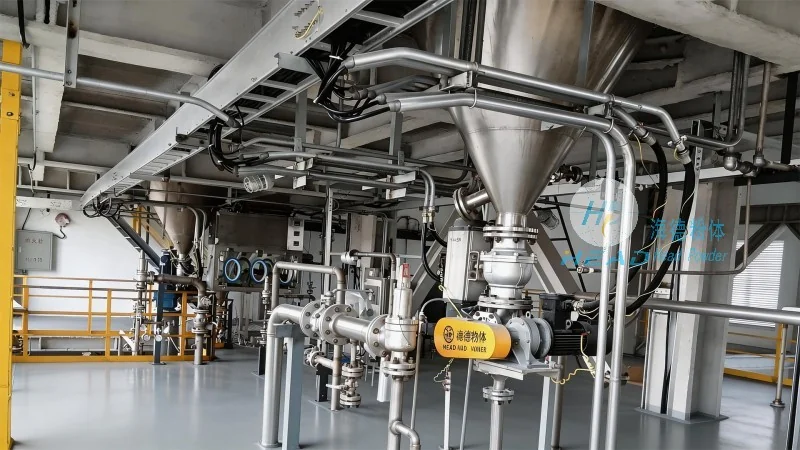
Key Characteristics of High-Calcium Stone Powder
Before discussing the handling and design principles, it's important to understand the unique properties of high-calcium stone powder. This material typically has a fine particle size, often ranging from 0.1 to 200 microns, which contributes to its high reactivity and ease of dispersion. The high calcium carbonate content (usually above 90%) makes it an ideal raw material for applications like cement production, lime manufacturing, and as a filler in plastics and coatings. However, these characteristics also present challenges in handling, such as dust generation, caking, and the need for specialized equipment to prevent material degradation. These factors directly influence the design of material handling systems, emphasizing the importance of selecting appropriate equipment and control measures.
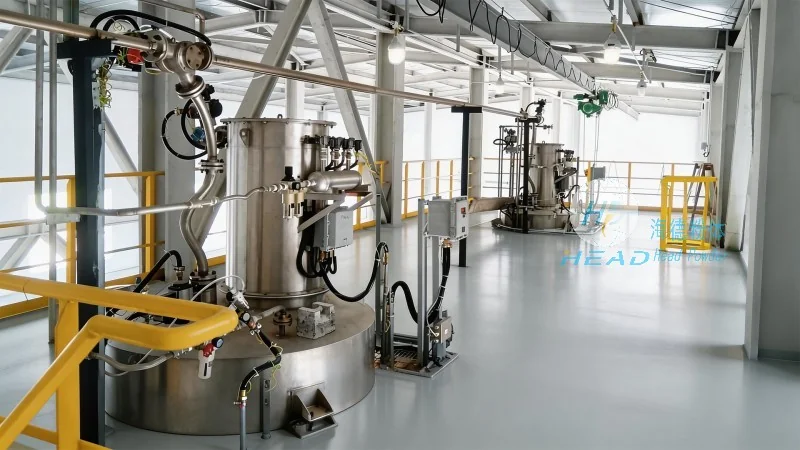
Design Principles for High-Calcium Stone Powder Handling Systems
The design of high-calcium stone powder handling systems is guided by several key principles aimed at optimizing performance, safety, and cost-effectiveness. First, the system must ensure minimal material loss and contamination. This is achieved through the use of sealed and enclosed equipment, such as hoppers, conveyors, and storage silos, which prevent dust exposure and cross-contamination with other materials. Second, the design prioritizes energy efficiency and operational reliability. This involves selecting equipment with low maintenance requirements and high durability, such as robust screw conveyors and pneumatic conveying systems, to handle the abrasive nature of the powder. Third, safety is a paramount consideration. The system incorporates features like dust collection systems, explosion-proof components, and proper ventilation to mitigate risks associated with dust explosions and inhalation hazards. Additionally, the design considers the flow characteristics of the powder, including its angle of repose and cohesive properties, to ensure smooth material movement and prevent blockages. By integrating these principles, the handling system effectively addresses the challenges posed by high-calcium stone powder while meeting industrial standards.
Components of a Typical High-Calcium Stone Powder Handling System
A comprehensive high-calcium stone powder handling system typically consists of several interconnected components, each playing a crucial role in the material's movement from storage to processing. The primary components include storage silos or hoppers, which store the powder in bulk and maintain consistent material levels. These storage vessels are often equipped with level sensors and aeration systems to prevent caking and ensure uniform discharge. Next, the material is transferred using conveyors, such as screw conveyors or belt conveyors, which transport the powder horizontally or vertically. Screw conveyors are particularly effective for handling fine powders due to their ability to maintain a consistent flow and minimize dust generation. For longer distances or vertical transport, pneumatic conveying systems are commonly used, which use air pressure to move the powder through pipelines. The system also includes feeding equipment, such as rotary valves or star feeders, which control the flow rate of the powder from the storage vessel to the conveyor. Finally, the material is often processed or used in downstream equipment, such as mixers or reactors, where it is combined with other ingredients. Each component is carefully selected and integrated to ensure seamless operation and optimal performance of the entire system.
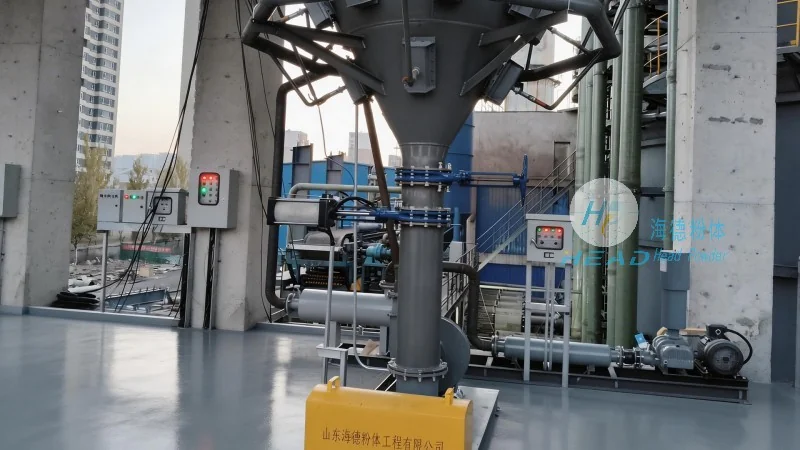
Applications of High-Calcium Stone Powder Handling
The efficient handling of high-calcium stone powder is critical for various industrial applications, where the material's properties are leveraged to enhance product quality and performance. In the construction industry, high-calcium stone powder is a key ingredient in cement production, where it contributes to the material's strength and setting properties. The handling system ensures that the powder is delivered to the cement kiln in a controlled manner, maintaining consistent quality and reducing variability in the final product. In the chemical industry, the powder is used as a filler in plastics and coatings, where its high calcium carbonate content improves the material's hardness and durability. The handling system in this sector focuses on preventing contamination and maintaining the powder's purity, which is essential for meeting regulatory standards. Additionally, in the manufacturing of lime and other calcium-based products, the handling system ensures that the powder is processed efficiently, minimizing waste and maximizing production output. These applications highlight the importance of reliable material handling systems in achieving operational efficiency and product excellence.