

What is Metal Iron Powder Material Handling? And What Are the Design Principles?
For industrial applications that require the efficient and safe transport of metal iron powder, understanding the material handling processes and design principles is crucial. This article explores the fundamental aspects of metal iron powder material handling, focusing on the key considerations and technical elements that ensure optimal performance in various industrial settings.
What is Metal Iron Powder Material Handling?
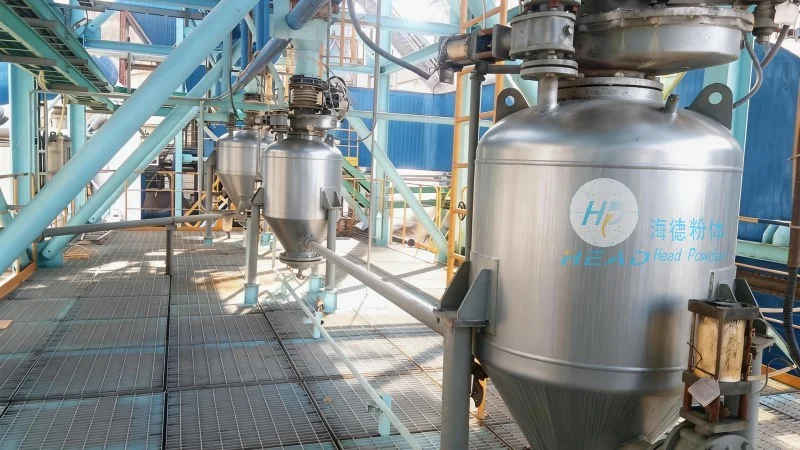
Metal iron powder material handling refers to the methods and systems used to move, store, and manage metal iron powder from its production point to its final application. This process is critical in industries such as metallurgy, chemical manufacturing, and pharmaceuticals, where iron powder is used as a raw material or additive. The handling of iron powder involves specialized equipment and techniques to address the unique properties of the material, including its fine particle size, potential for dust generation, and susceptibility to oxidation.
Key Design Principles for Metal Iron Powder Handling Systems
The design of metal iron powder handling systems is guided by several core principles aimed at ensuring safety, efficiency, and product integrity. These principles include:
1. Airtight and Dust-Proof Enclosures: Given that iron powder is a fine, powdery substance prone to creating dust, all handling equipment must be designed with airtight enclosures. This prevents the release of airborne particles, which can pose health risks and affect product quality. The use of sealed hoppers, conveyor systems, and storage silos is essential to maintain a controlled environment.
2. Prevention of Static Electricity: Fine powders like iron powder are highly susceptible to generating static electricity during handling. This can lead to sparks and even explosions in the presence of flammable materials or oxygen. Therefore, anti-static measures are integrated into the design, such as grounding equipment, using conductive materials, and incorporating static dissipative coatings.
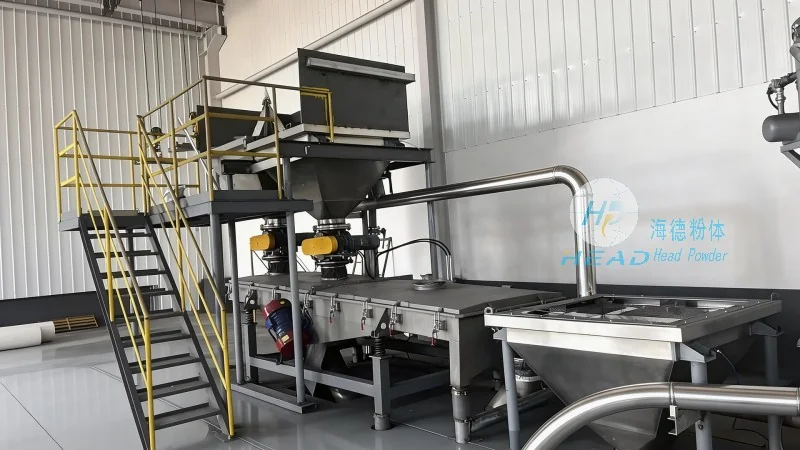
3. Controlled Flow and Low Velocity: To minimize particle degradation and prevent blockages, metal iron powder handling systems are designed to maintain controlled flow rates and low velocities. This is achieved through the use of appropriate conveyor types, such as screw conveyors or pneumatic conveying systems, which are selected based on the specific characteristics of the iron powder, including its density and flowability.
4. Material Compatibility: The equipment used for handling metal iron powder must be compatible with the material to avoid contamination or corrosion. Materials like stainless steel, which is resistant to rust and chemical reactions, are commonly used for components that come into direct contact with the powder. Additionally, the design considers the wear resistance of materials to ensure long-term durability.
Common Equipment Used in Metal Iron Powder Handling
Several types of equipment are commonly employed in metal iron powder material handling processes. These include:
1. Hoppers and Storage Silos: These are used for storing large quantities of iron powder. They are typically made of stainless steel or other corrosion-resistant materials and are equipped with airtight seals to prevent contamination and dust release. The design of hoppers often includes sloped walls to facilitate the flow of powder and prevent caking.
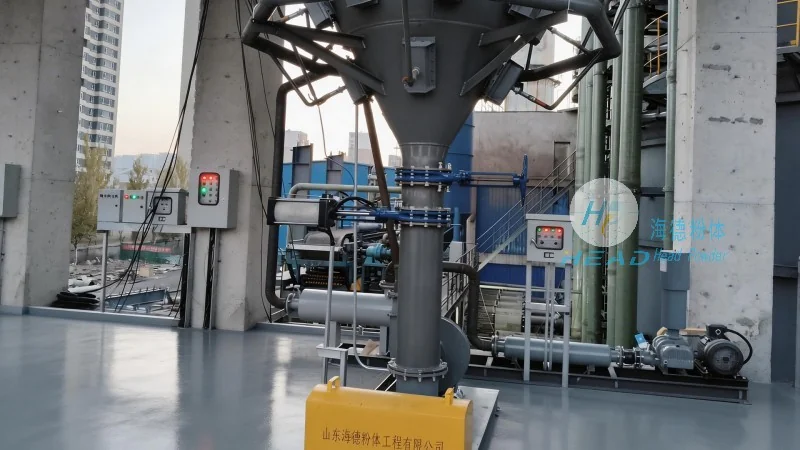
2. Conveyor Systems: Screw conveyors, belt conveyors, and pneumatic conveyors are used to transport iron powder from storage to processing areas. Screw conveyors are particularly effective for vertical or inclined transport due to their ability to handle fine powders without blockages. Pneumatic conveying systems use air pressure to move the powder through pipes, which is suitable for long-distance transport but requires careful control of air pressure and flow rates.
3. Feeding and Metering Devices: These devices are used to control the flow rate of iron powder from storage to processing equipment. Examples include rotary valves, vibratory feeders, and gravimetric feeders. These devices ensure that the correct amount of powder is delivered consistently, which is critical for maintaining product quality and process efficiency.
The Role of Material Properties in Handling Design
The physical and chemical properties of metal iron powder significantly influence the design of handling systems. Key properties include particle size distribution, bulk density, flowability, and moisture content. For instance, finer particles may require more careful handling to prevent agglomeration, while higher bulk density may affect the capacity of storage silos. Understanding these properties allows engineers to select the most appropriate equipment and design parameters for optimal performance.
Conclusion
Metal iron powder material handling is a specialized field that requires careful consideration of safety, efficiency, and material properties. By adhering to design principles such as airtight enclosures, anti-static measures, controlled flow, and material compatibility, industrial facilities can ensure the safe and effective transport of iron powder. The use of appropriate equipment, tailored to the specific characteristics of the material, is essential for maintaining product quality and operational reliability. As a leading provider in this field, Shandong HeadPowder Engineering Co., Ltd. specializes in designing and manufacturing customized material handling solutions for metal iron powder, leveraging years of expertise to meet the diverse needs of industrial clients.