

What is Inorganic Salt Material Handling? What Are the Design Principles?
Inorganic salt material handling refers to the process of transporting, storing, and managing various inorganic salts, such as sodium chloride, potassium chloride, calcium carbonate, and other industrial salts. These materials are widely used in industries like chemical manufacturing, food processing, water treatment, and pharmaceuticals. Efficient and reliable material handling systems are crucial for ensuring smooth production operations, maintaining product quality, and optimizing operational costs. This article explores the fundamental aspects of inorganic salt material handling and the key design principles that underpin effective system design.
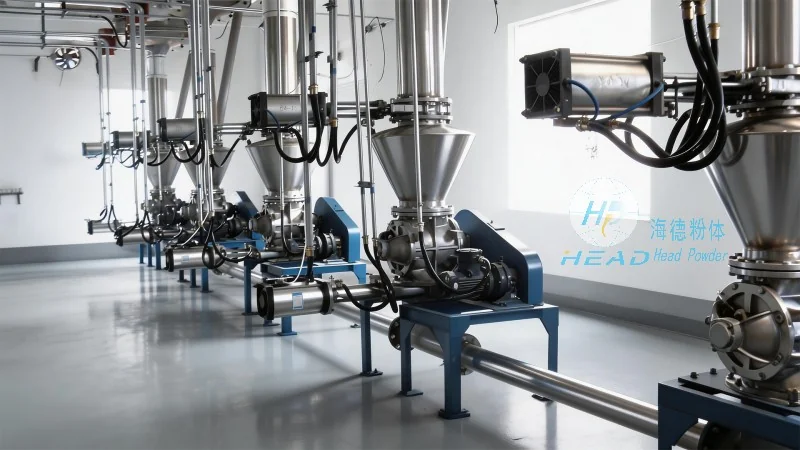
About HeadPowder: A Leading Provider of Material Handling Solutions
HeadPowder, a division of Shandong HeadPowder Engineering Co., Ltd., is a professional manufacturer and supplier specializing in custom material handling equipment for inorganic salts and similar bulk materials. With a strong presence in China, particularly in Shandong, the company has built a reputation for delivering high-quality, reliable systems tailored to the unique needs of industrial clients. HeadPowder's expertise lies in understanding the physical and chemical properties of inorganic salts, which is essential for designing systems that can handle these materials safely and efficiently.
Key Design Principles for Inorganic Salt Material Handling Systems
The design of inorganic salt material handling systems involves several critical principles that ensure optimal performance, safety, and longevity. These principles are tailored to address the specific challenges posed by inorganic salts, including their varying particle sizes, moisture content, and potential for dust generation. The following sections outline the core design considerations:
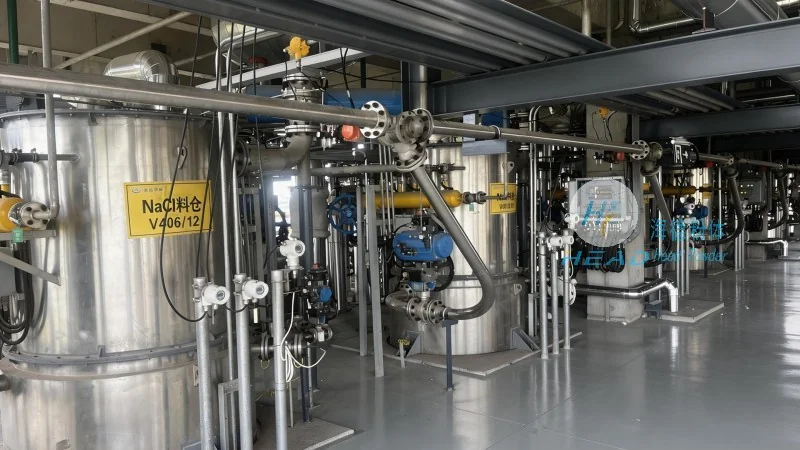
System Components and Their Functions
A typical inorganic salt material handling system consists of several interconnected components, each playing a vital role in the overall operation. The primary components include feeders, conveyors, storage silos, and discharge equipment. Feeders are responsible for controlling the flow rate of the material from the storage silo to the conveyor system. They are designed to handle the specific characteristics of inorganic salts, such as their bulk density and flowability. Conveyors, which can be belt, screw, or pneumatic, transport the material from one location to another within the facility. Storage silos are used to store large quantities of inorganic salts, providing a stable and controlled environment to prevent degradation or contamination. Discharge equipment, such as rotary valves or gate valves, regulates the release of material from the silo to the conveyor system.
Material Properties and Their Impact on Design
The physical and chemical properties of inorganic salts significantly influence the design of material handling systems. For example, the particle size distribution of the salt affects the choice of feeder and conveyor type. Coarser particles may require a different feeder design compared to fine powders, as fine powders are more prone to bridging and caking. Moisture content is another critical factor, as high moisture levels can lead to material sticking to equipment surfaces, causing blockages and reduced efficiency. The chemical properties, such as reactivity with air or moisture, also need to be considered when selecting materials for the system components, such as the construction of silos and conveyors.
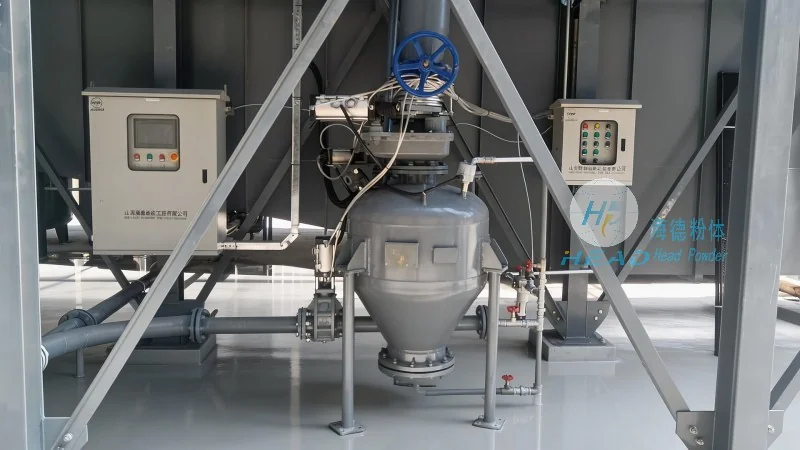
Flow Control and Prevention of Material Issues
Effective flow control is essential in inorganic salt material handling to prevent issues like bridging, rat-holing, and caking. Bridging occurs when the material forms a stable arch across the outlet of a silo or hopper, preventing the material from flowing. Rat-holing is a localized void formation that can lead to uneven flow and equipment damage. Caking is the hardening of material into a solid mass, which can cause blockages and require costly cleaning. To mitigate these issues, design principles include the use of appropriate hopper angles, the installation of flow aids like vibrators or air cannons, and the selection of feeders that can maintain consistent flow rates. Additionally, proper maintenance and regular inspection of the system components are crucial to ensure that the material flows smoothly and without interruption.
Equipment Selection and Customization
HeadPowder emphasizes the importance of customizing material handling equipment to meet the specific requirements of each client. The selection of equipment depends on factors such as the type of inorganic salt, the desired throughput, the space available, and the operational environment. For example, a chemical plant processing sodium chloride may require a different conveyor system compared to a food processing facility handling calcium carbonate. HeadPowder's engineers work closely with clients to assess their needs and design a system that maximizes efficiency while minimizing downtime and maintenance costs. Customization may involve adjusting the size of silos, modifying the speed of conveyors, or incorporating special features like dust collection systems to meet regulatory requirements.
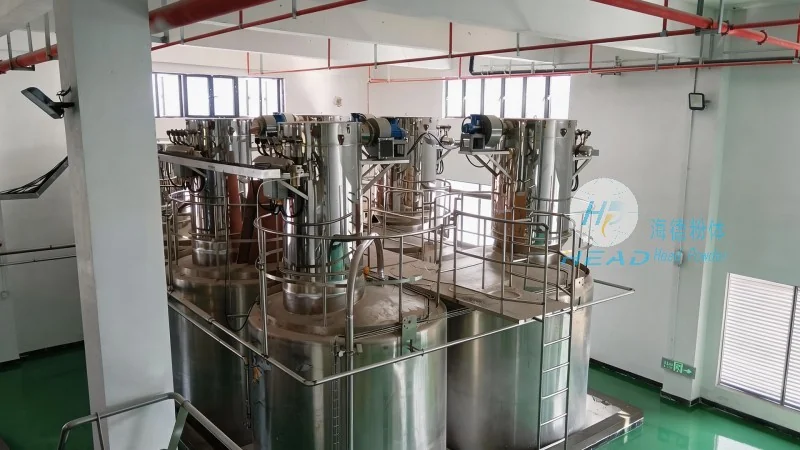
Safety and Environmental Considerations
Safety is a top priority in the design of inorganic salt material handling systems. Inorganic salts can pose health risks if inhaled as dust, and some may be corrosive or reactive. Therefore, systems are designed with safety features such as dust collection systems, explosion-proof components, and proper ventilation. Environmental considerations are also important, as the handling of bulk materials can generate dust and noise. HeadPowder incorporates environmentally friendly design elements, such as dust suppression systems and noise reduction measures, to minimize the impact on the surrounding environment. Compliance with local regulations and industry standards is also a key aspect of the design process.
Conclusion
Inorganic salt material handling is a complex process that requires careful consideration of material properties, system design, and operational requirements. The design principles outlined in this article highlight the importance of selecting appropriate equipment, controlling material flow, and ensuring safety and environmental compliance. HeadPowder, with its expertise and commitment to quality, provides reliable material handling solutions tailored to the needs of industrial clients. By understanding and applying these design principles, companies can optimize their inorganic salt material handling systems, leading to improved efficiency, reduced costs, and enhanced product quality.