

What is a Mineral Ore Material Handling System? What Are Its Design Principles?
Mineral ore material handling systems are critical components in the mining and processing industries, designed to efficiently transport bulk materials such as ores, rocks, and other raw materials from one location to another. These systems play a vital role in optimizing production workflows, reducing operational costs, and enhancing safety in mining operations. Understanding the fundamentals of these systems and their design principles is essential for engineers, operators, and industry stakeholders to ensure effective and reliable material handling processes.
Introduction to Mineral Ore Material Handling Systems
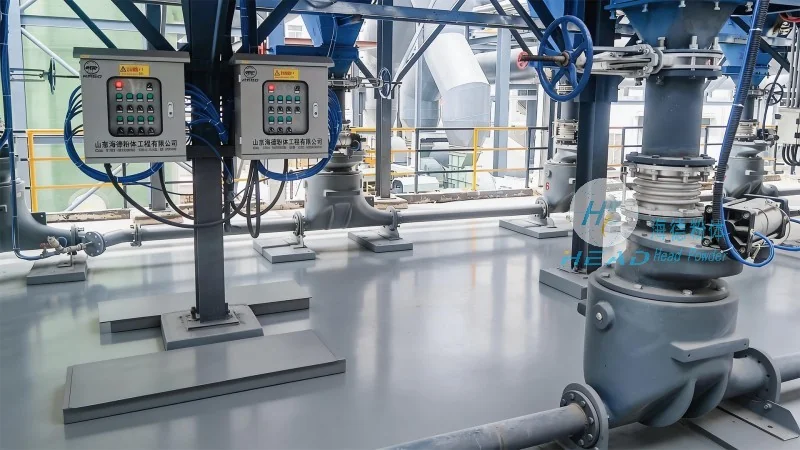
A mineral ore material handling system encompasses a range of equipment and mechanisms used to move, store, and manage bulk materials in mining and processing facilities. These systems are tailored to handle the specific characteristics of mineral ores, including their size, density, and abrasiveness. The primary goal of such systems is to facilitate the smooth flow of materials from extraction sites to processing plants, or between different stages of the production process. By integrating various components like conveyors, crushers, feeders, and storage silos, these systems create a cohesive and efficient material handling solution.
About Shandong HeadPowder Engineering Co., Ltd.
HeadPowder, a leading engineering company based in Shandong, China, specializes in the design, manufacturing, and implementation of advanced material handling systems for the mining industry. With years of experience and a commitment to innovation, HeadPowder has established itself as a trusted partner for clients seeking reliable and efficient solutions for mineral ore transportation. The company's expertise lies in understanding the unique challenges of mining operations and developing customized systems that meet specific operational requirements. HeadPowder's team of engineers and technicians work closely with clients to ensure that each material handling system is tailored to the client's needs, maximizing productivity and minimizing downtime.
Key Design Principles of Mineral Ore Material Handling Systems
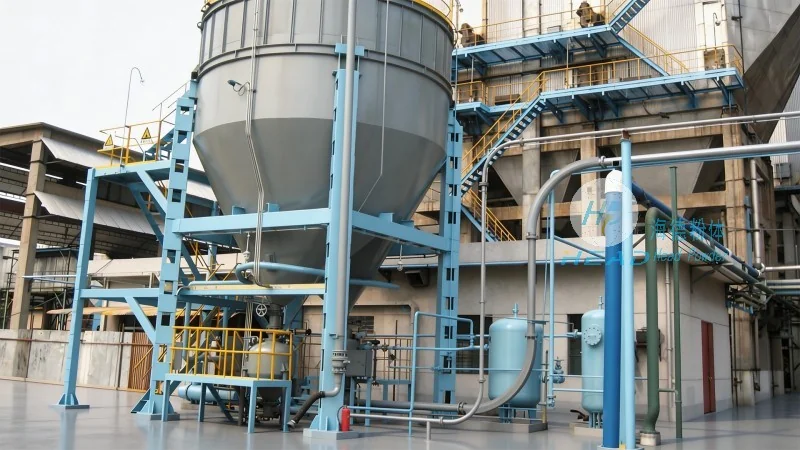
The design of a mineral ore material handling system is guided by several critical principles aimed at optimizing performance, durability, and safety. One of the fundamental principles is the selection of appropriate equipment based on the characteristics of the ore being handled. For instance, the choice of conveyor type (e.g., belt conveyors, chain conveyors) depends on factors such as the material's size, weight, and abrasiveness. Belt conveyors are commonly used for transporting large volumes of ore over long distances due to their high capacity and low maintenance requirements. Chain conveyors, on the other hand, are suitable for handling heavier or more abrasive materials that may cause wear on belt systems.
Another key design principle is the consideration of system integration and automation. Modern material handling systems often incorporate advanced control systems and sensors to monitor and control the flow of materials in real-time. This integration allows for better coordination between different components, such as feeders, crushers, and conveyors, ensuring that the entire system operates efficiently and without bottlenecks. Automation also enhances safety by reducing the need for manual intervention in hazardous environments, such as those involving heavy machinery or moving parts.
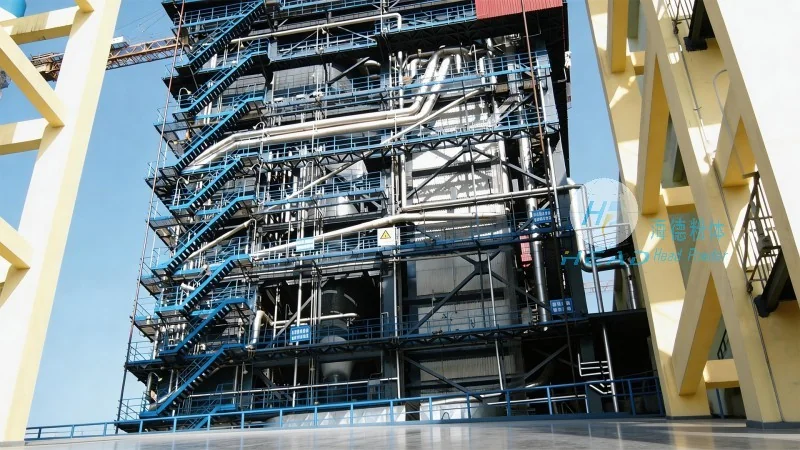
Durability and longevity are also critical design considerations, as mining operations often involve harsh and abrasive conditions. Materials used in the construction of conveyors, hoppers, and other components must be resistant to wear, corrosion, and impact. High-strength steel alloys and wear-resistant coatings are commonly employed to extend the lifespan of the equipment and reduce maintenance costs. Additionally, the design of the system must account for the potential for material buildup and blockages, incorporating features like self-cleaning mechanisms and emergency stop systems to prevent system failures.
Efficiency and Cost-Effectiveness in Material Handling
Efficiency and cost-effectiveness are paramount in the design and operation of mineral ore material handling systems. By optimizing the flow of materials, these systems help reduce energy consumption and operational costs. For example, the use of variable speed drives in conveyor systems allows for adjustments based on the load, minimizing energy waste during low-demand periods. Additionally, the integration of storage silos and feeders helps regulate the flow of materials, preventing overloading of processing equipment and reducing the risk of production delays.
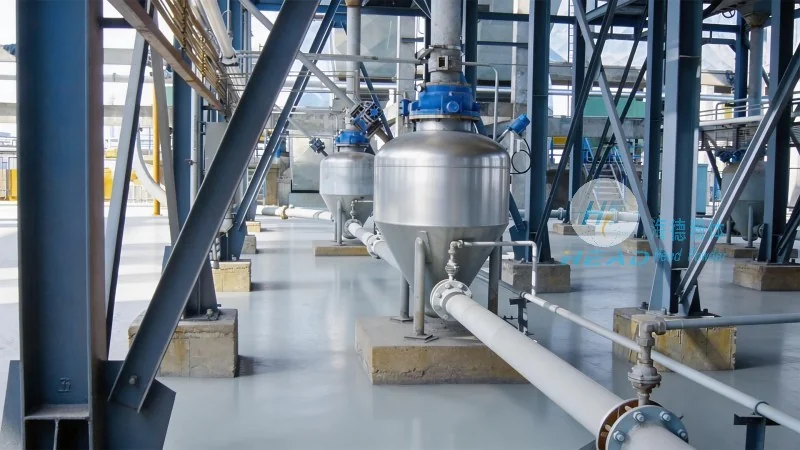
Another aspect of efficiency is the reduction of downtime through proactive maintenance and system monitoring. Modern material handling systems often include predictive maintenance features that use data from sensors to identify potential issues before they lead to equipment failure. This approach helps minimize unplanned downtime and ensures that the system operates at peak performance. By focusing on both operational efficiency and long-term cost savings, mineral ore material handling systems provide significant value to mining operations.
Conclusion
In conclusion, mineral ore material handling systems are essential for the efficient and safe operation of mining and processing facilities. The design principles that guide these systems, including equipment selection, system integration, durability, and efficiency, are critical to their success. Companies like Shandong HeadPowder Engineering Co., Ltd. play a vital role in developing and implementing these systems, providing tailored solutions that meet the unique needs of their clients. By understanding and applying these design principles, mining operations can achieve higher productivity, lower costs, and improved safety, ultimately contributing to the success of the industry.