

What is a Clay Material Conveying System? And What Are Its Design Principles?
Clay material conveying systems are essential in various industrial applications, particularly in sectors that involve the handling and transportation of clay-based materials. These systems are engineered to efficiently move clay from its source to processing or storage locations, ensuring optimal performance and reliability. Understanding the core components and design principles of such systems is crucial for industries like ceramics, construction, and mining, where the quality and consistency of clay handling directly impact production outcomes.
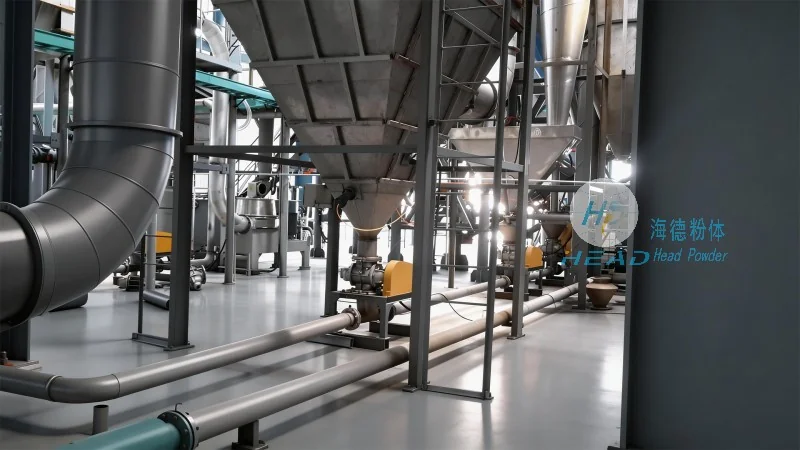
Defining Clay Material Conveying Systems
A clay material conveying system is a specialized setup designed to transport clay, a naturally occurring fine-grained earth material, through a series of mechanical or pneumatic components. These systems are tailored to address the unique properties of clay, which include high moisture content, plasticity, and potential for caking or blockage. The primary goal of these systems is to maintain the integrity of the clay while ensuring smooth and continuous movement, minimizing material degradation and operational disruptions.
Key Design Principles for Efficient Clay Conveying
The design of a clay material conveying system is guided by several critical principles aimed at maximizing efficiency, durability, and adaptability. First, the system must accommodate the physical characteristics of clay, such as its high moisture content and tendency to adhere to surfaces. This often involves the use of specialized equipment like screw conveyors, belt conveyors, or pneumatic systems that can handle sticky and cohesive materials without causing excessive wear or clogging. Second, the design emphasizes the need for gentle material handling to preserve the clay's quality. Harsh or aggressive conveying methods can damage the clay particles, affecting downstream processes like molding or firing in ceramics.
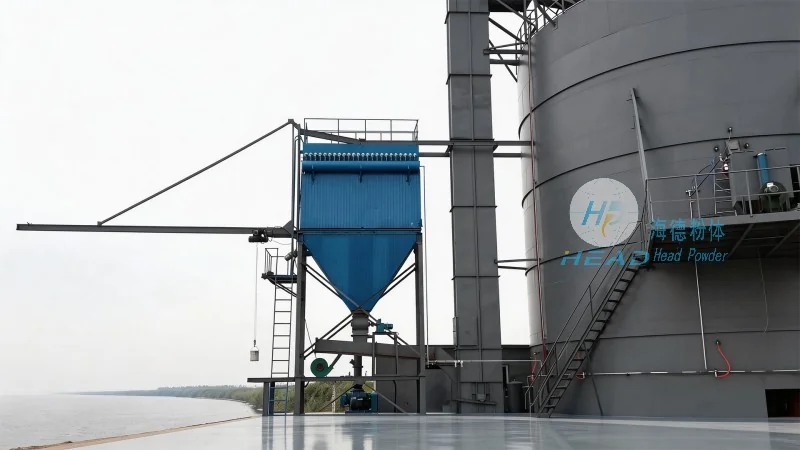
Third, the system must ensure consistent flow and pressure to prevent blockages and maintain steady operation. This is achieved through the integration of components like feeders, hoppers, and control mechanisms that regulate the rate of material input and movement. Additionally, the system considers the need for easy maintenance and cleaning, as clay can accumulate in system components and require regular upkeep to avoid performance issues. Finally, the system is optimized for energy efficiency, reducing operational costs while maintaining performance standards.
Components of a Typical Clay Material Conveying System
At the heart of a clay material conveying system are several key components that work in tandem to achieve effective material transport. The primary components include a feeding mechanism, such as a hopper or rotary feeder, which introduces clay into the system. This is followed by the conveying equipment, which may be a screw conveyor, belt conveyor, or pneumatic pipeline, depending on the specific application and material characteristics. For screw conveyors, the design often incorporates helical screws with appropriate pitch and diameter to handle clay's plasticity and prevent clogging. Belt conveyors use smooth or textured belts to move clay, with the choice of belt material and surface treatment critical to avoid material adhesion.
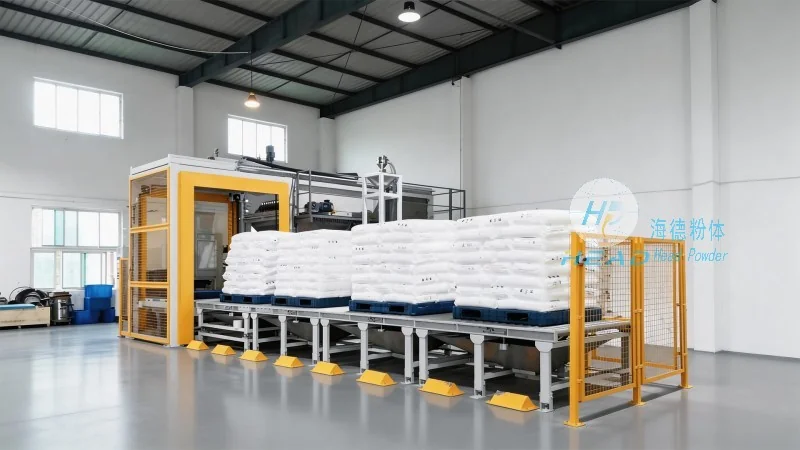
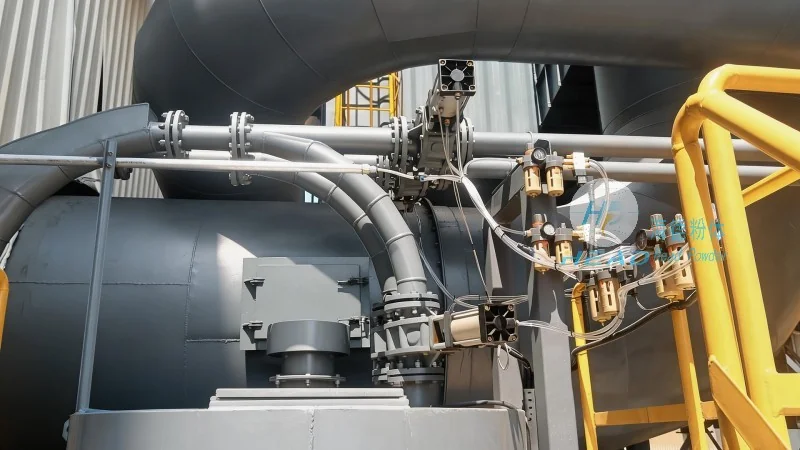
Pneumatic conveying systems, on the other hand, utilize air pressure to transport clay through a network of pipes. These systems are particularly effective for handling fine, dry clay particles but require careful control of air flow and pressure to prevent material degradation. The system also includes control and monitoring components, such as sensors and valves, that regulate the flow rate and pressure, ensuring consistent operation. Additionally, the system may incorporate cleaning and maintenance features, such as purge ports or removable sections, to facilitate regular upkeep and prevent material buildup.
Applications and Industries Utilizing Clay Conveying Systems
Clay material conveying systems are widely used across various industries, with the most prominent applications in the ceramics and construction sectors. In the ceramics industry, these systems are integral to the production of clay-based products like pottery, tiles, and bricks. The efficient transport of clay from raw material storage to processing lines ensures that production remains uninterrupted, maintaining the quality and consistency of the final products. In construction, clay is used in the manufacturing of bricks, mortar, and other building materials, where the conveying system plays a vital role in supplying raw materials to production facilities.
Other industries that benefit from clay material conveying systems include mining and agriculture. In mining operations, clay is often extracted as a byproduct and needs to be transported to processing plants. The conveying system helps in managing this material efficiently, reducing the risk of environmental contamination and ensuring compliance with regulatory standards. In agriculture, clay is used in soil conditioning and fertilizer production, where the system aids in the transportation of clay from storage to application sites.