

What is a Gypsum Material Handling System? What are the Design Principles?
Gypsum, a widely used industrial material, requires efficient and reliable handling systems to ensure smooth production processes. A gypsum material handling system is a comprehensive solution designed to transport, store, and manage gypsum from raw material reception to final product dispatch. This system is crucial for industries such as construction, plaster manufacturing, and building materials production, where consistent quality and operational efficiency are paramount. The design of such systems involves careful consideration of material properties, processing requirements, and operational constraints to achieve optimal performance.
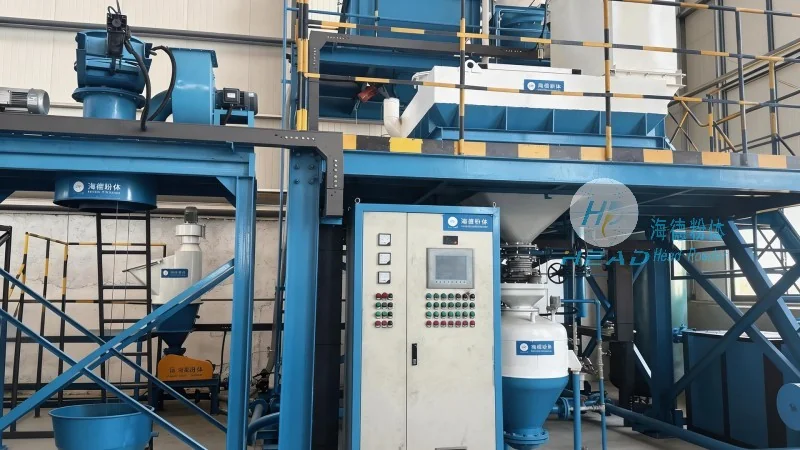
About Shandong HeadPowder Engineering Co., Ltd.
HeadPowder, a leading engineering company based in Shandong, China, specializes in the design, manufacturing, and integration of advanced material handling systems. With years of experience in the industry, HeadPowder has developed a reputation for delivering high-quality solutions tailored to the unique needs of clients. The company’s expertise lies in understanding the specific challenges of handling gypsum and other similar materials, enabling the creation of systems that enhance productivity, reduce downtime, and ensure compliance with industry standards. HeadPowder’s commitment to innovation and customer satisfaction has made it a trusted partner for businesses seeking reliable material handling solutions.
Key Design Principles for Gypsum Material Handling Systems
The design of a gypsum material handling system is guided by several critical principles that ensure the system’s effectiveness and longevity. First, material properties are a primary consideration. Gypsum is a relatively soft, non-abrasive material but can be dusty and require dust control measures. The system must be designed to handle these characteristics without causing degradation or contamination. Second, the system must accommodate the entire production workflow, from raw gypsum reception to finished product packaging. This includes storage, conveying, processing, and quality control stages. Third, operational efficiency is a key design goal. The system should minimize energy consumption, reduce labor costs, and maximize throughput while maintaining product quality. Fourth, safety and environmental compliance are essential. Gypsum handling systems must adhere to safety regulations to protect workers and the environment from dust and other hazards. Finally, scalability and adaptability are important considerations. The system should be designed to accommodate future expansion or changes in production requirements without major modifications.
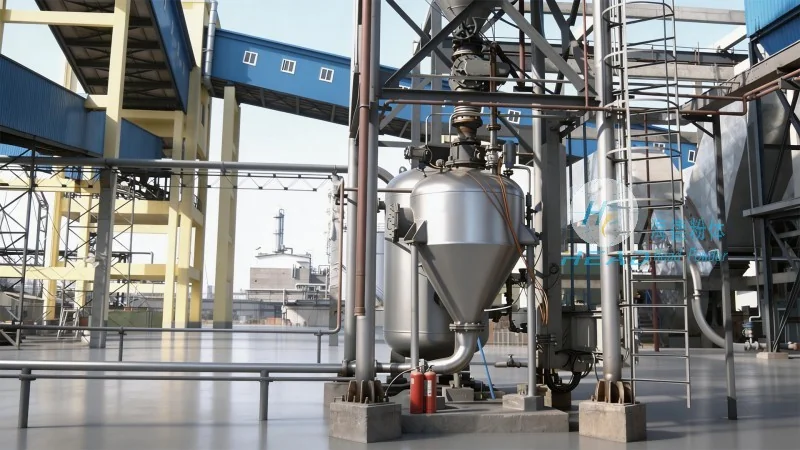
Core Components of a Gypsum Material Handling System
A gypsum material handling system typically consists of several interconnected components that work together to achieve the desired functionality. The primary components include: 1. Reception and Storage: This stage involves receiving raw gypsum from suppliers and storing it in bulk storage silos or hoppers. The storage system must be designed to handle large volumes of material and maintain consistent moisture levels to prevent caking or degradation. 2. Conveying Systems: Conveyors are used to transport gypsum from storage to processing areas. Common types include belt conveyors, screw conveyors, and bucket elevators. The choice of conveyor depends on the material’s characteristics, distance to be covered, and required speed. 3. Processing Equipment: This includes grinding mills, classifiers, and mixers that transform raw gypsum into the desired product form, such as plaster or drywall compound. The processing equipment must be designed to handle the material’s specific properties and produce a consistent product. 4. Dust Control Systems: Gypsum is a fine powder that can create dust during handling. Dust control systems, such as baghouses or cartridge filters, are essential to capture and remove dust, ensuring a safe working environment and compliance with environmental regulations. 5. Packaging and Dispatch: The final stage involves packaging the processed gypsum into bags or containers and dispatching it to customers. This includes packaging machines, weighing scales, and loading equipment. Each component must be integrated seamlessly to ensure smooth operation and minimal downtime.
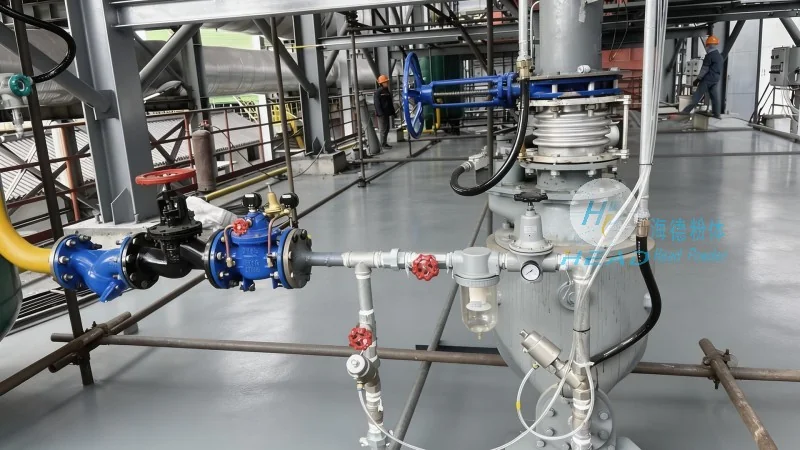
Benefits of Implementing a Gypsum Material Handling System
Adopting a well-designed gypsum material handling system offers numerous benefits for businesses. First, it improves operational efficiency by streamlining the material flow from reception to dispatch. This reduces labor costs and increases production throughput, allowing companies to meet customer demands more effectively. Second, it enhances product quality by ensuring consistent handling and processing. The system minimizes material degradation and contamination, resulting in higher-quality gypsum products. Third, it improves safety by incorporating dust control and other safety features. This reduces the risk of workplace accidents and ensures compliance with safety regulations. Fourth, it enhances environmental performance by controlling dust emissions and reducing waste. The system helps companies meet environmental standards and maintain a positive public image. Finally, it provides scalability and adaptability, allowing businesses to expand their operations or adjust to changing market demands without significant investments in new equipment.
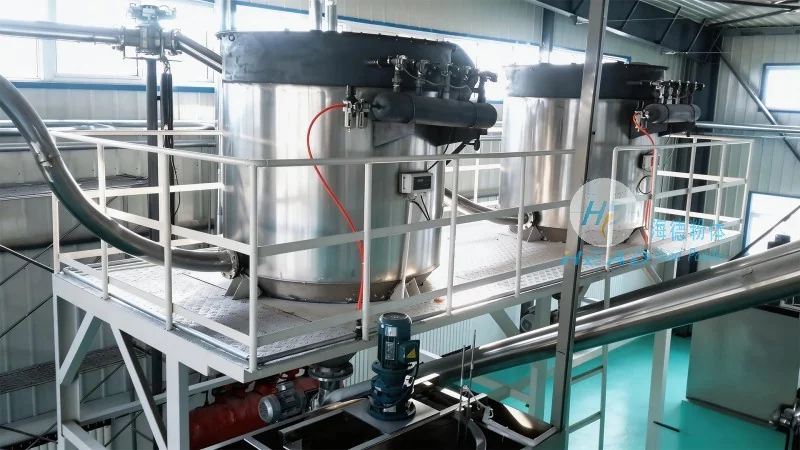
Real-World Applications of Gypsum Material Handling Systems
Gypsum material handling systems are widely used in various industries, including construction, where gypsum is used to make drywall, plaster, and other building materials. In the construction industry, these systems are essential for processing raw gypsum into finished products that meet the specific requirements of building projects. For example, a gypsum processing plant may use a system that includes a bulk storage silo, a belt conveyor to transport the material to a grinding mill, and a dust control system to capture the fine powder. The processed gypsum is then mixed with additives and packaged into bags for distribution to construction sites. In the manufacturing of plaster products, the system ensures that the gypsum is ground to the correct particle size and mixed with other ingredients to achieve the desired consistency and strength. The system’s design allows for precise control over the processing parameters, resulting in high-quality plaster products that meet industry standards. Additionally, in the production of drywall, the system plays a critical role in transporting and processing the gypsum into sheets that are used to construct interior walls and ceilings. The efficiency of the material handling system directly impacts the overall quality and cost of the final product.
Conclusion
Gypsum material handling systems are essential for industries that rely on gypsum as a key raw material. The design of these systems must consider the material’s properties, operational requirements, and safety regulations to ensure optimal performance. Companies like Shandong HeadPowder Engineering Co., Ltd. specialize in designing and implementing such systems, providing businesses with reliable and efficient solutions that enhance productivity, improve product quality, and ensure compliance with industry standards. By investing in a well-designed gypsum material handling system, businesses can achieve long-term success and maintain a competitive edge in the market.