

What is a Pyrolysis Char Material Handling System? And What Are Its Design Principles?
Pyrolysis char material handling systems are specialized equipment designed to transport and manage the char produced during the pyrolysis process. These systems are crucial in various industrial applications, particularly in the waste-to-energy sector and chemical processing industries. Understanding the design principles behind such systems is essential for optimizing efficiency, safety, and operational performance.
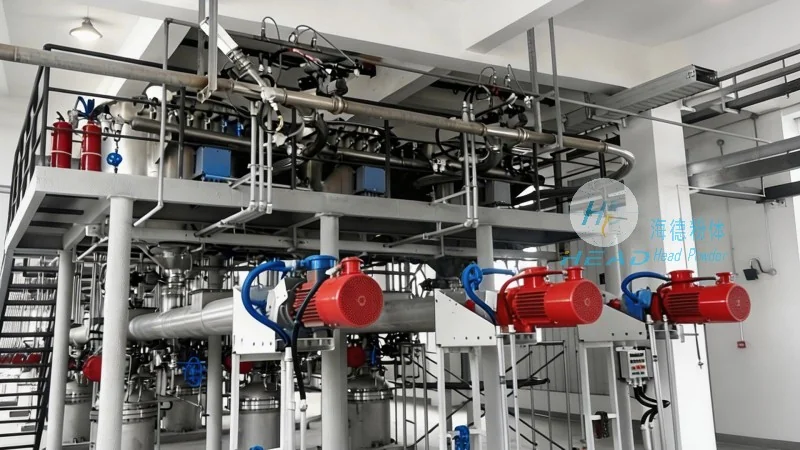
Company Introduction: HeadPowder
HeadPowder, a leading engineering company based in Shandong, China, specializes in the design, manufacturing, and integration of advanced material handling solutions. With a strong focus on innovation and customer-centric approaches, HeadPowder has established itself as a trusted partner in the field of pyrolysis and related industrial processes. The company's expertise lies in developing customized systems that meet the unique requirements of each client, ensuring high performance and reliability.
Design Principles of Pyrolysis Char Material Handling Systems
The design of a pyrolysis char material handling system involves several key components and principles. The primary goal is to ensure the safe and efficient transport of char, which is a solid byproduct of pyrolysis. This typically involves the use of conveyor systems, such as belt conveyors or screw conveyors, tailored to handle the specific characteristics of pyrolysis char.
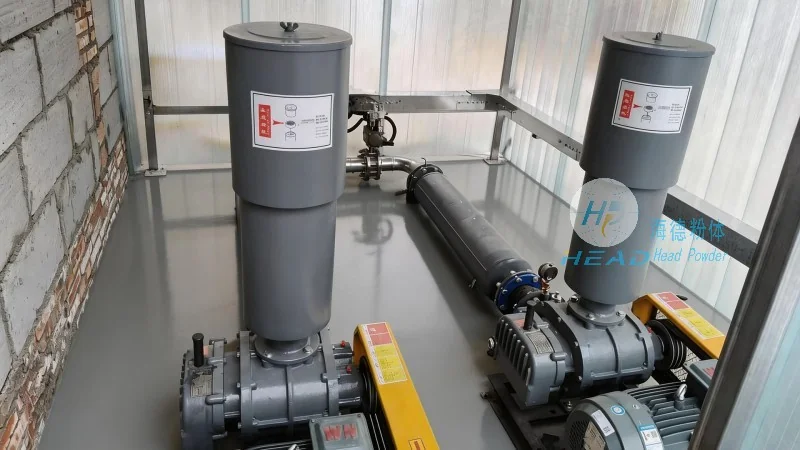
Key design considerations include the material's moisture content, particle size distribution, and abrasiveness. For instance, if the char is highly abrasive, the system may incorporate special materials for the conveyor components to prevent wear and extend the equipment's lifespan. Additionally, the system must be designed to handle varying flow rates and maintain consistent material movement to avoid blockages or uneven distribution.
Another critical aspect is the integration of dust control measures. Pyrolysis char can generate significant dust, which poses health and safety risks. Therefore, systems often include dust collection and filtration components to ensure a clean and safe working environment. The design may also incorporate temperature control features, as pyrolysis char can be hot and may require cooling before further processing.
Control and Monitoring Systems
The control system is another vital part of the design. Modern pyrolysis char material handling systems utilize advanced control technologies, such as PLC (Programmable Logic Controllers) and SCADA (Supervisory Control and Data Acquisition) systems. These allow for real-time monitoring of the system's performance, including flow rates, pressure, and temperature. Operators can adjust settings remotely, ensuring optimal operation and reducing downtime. The integration of sensors and feedback mechanisms enables proactive maintenance and prevents unexpected failures.
Integration with Overall Process Flow
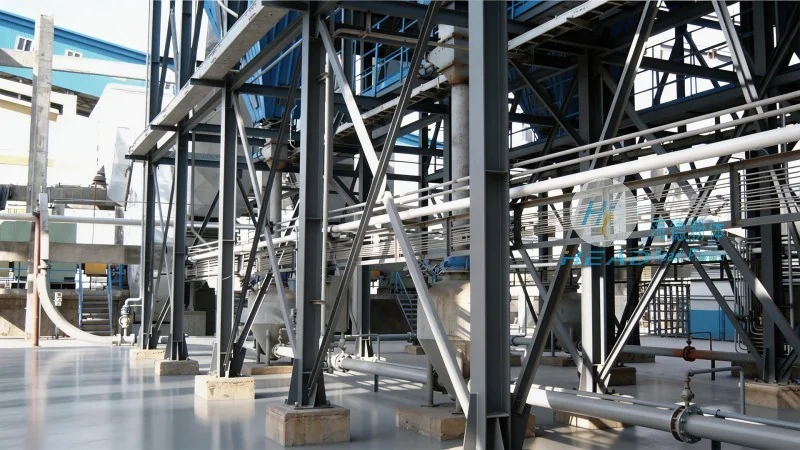
The system's layout and integration with other equipment are crucial. The design must consider the overall process flow, ensuring that the char is transported smoothly from the pyrolysis reactor to the next processing stage, such as combustion or storage. Proper alignment and spacing of components are essential to prevent bottlenecks and ensure seamless operation. This includes coordinating with other process units, such as reactors, burners, or storage silos, to maintain a continuous and efficient workflow.
Advantages and Benefits
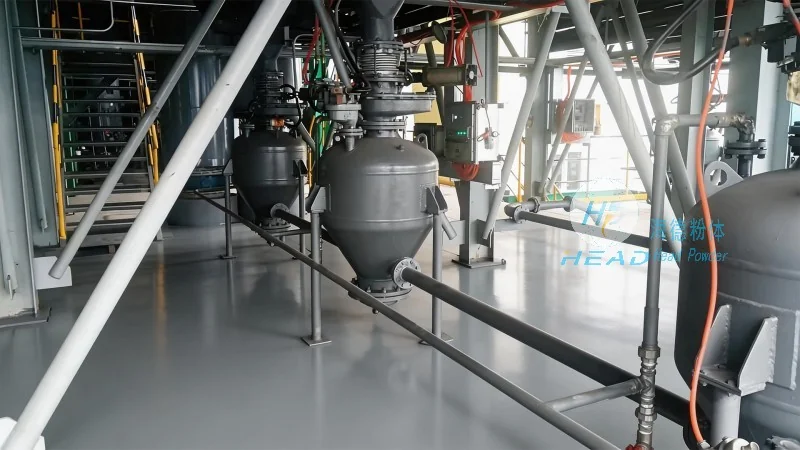
Implementing a well-designed pyrolysis char material handling system offers several advantages. Firstly, it enhances operational efficiency by ensuring consistent material flow and reducing downtime. Secondly, it improves safety by controlling dust and managing hot materials. Thirdly, it extends the lifespan of equipment through proper material handling and wear management. Finally, it supports environmental compliance by minimizing emissions and maintaining a clean working environment.
Conclusion
In conclusion, pyrolysis char material handling systems are essential components in industrial processes that rely on pyrolysis technology. The design principles behind these systems focus on safety, efficiency, and adaptability, addressing the unique challenges posed by pyrolysis char. By leveraging advanced engineering and control technologies, companies like HeadPowder can provide customized solutions that meet the specific needs of their clients, contributing to the overall success and sustainability of industrial operations.