

What is a Masterbatch Particle Material Conveying System? What are its Design Principles?
Masterbatch particle material conveying systems are critical components in the manufacturing processes of various industries, particularly those dealing with plastic compounds and colorants. These systems are engineered to efficiently transport masterbatch granules, which are concentrated pigments or additives used to color or modify polymer materials. The design principles behind such systems are centered on ensuring high efficiency, reliability, and minimal material loss during the conveying process. This article explores the fundamental aspects of masterbatch particle material conveying systems, detailing their design principles and the key factors that contribute to their effectiveness.
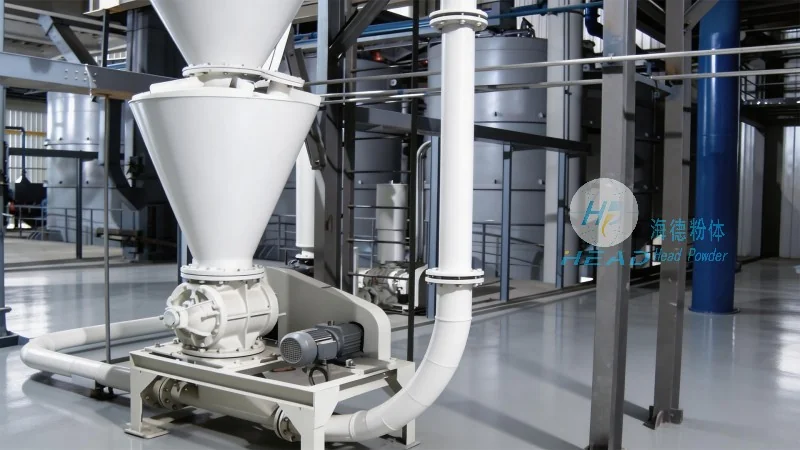
Introduction to Masterbatch Particle Material Conveying Systems
A masterbatch particle material conveying system is a specialized equipment setup designed to handle the transport of masterbatch granules from storage silos or hoppers to processing units, such as extruders or mixers. Masterbatch granules are typically produced in large quantities and stored in bulk, making efficient and consistent delivery essential for maintaining production quality and throughput. The system integrates various components, including feeders, conveyors, and control mechanisms, to ensure smooth and controlled material flow. The primary goal of these systems is to minimize downtime, reduce material handling costs, and enhance overall operational efficiency in the production of masterbatches and related plastic compounds.
Key Components and Their Functions in Masterbatch Conveying Systems
The design of a masterbatch particle material conveying system involves several critical components, each playing a vital role in the overall functionality. The main components include:
1. Feeding Hoppers: These are large storage containers that hold the masterbatch granules. They are designed to accommodate bulk quantities and provide a stable feed to the subsequent conveying equipment. The hoppers often feature level sensors to monitor the material level and trigger feeding actions when necessary.
2. Rotary Valves or Feeders: These devices control the flow of masterbatch from the hoppers to the conveyor. Rotary valves are commonly used for their ability to provide a controlled, metered discharge, preventing overfeeding or underfeeding. The feeders ensure a consistent flow rate, which is crucial for maintaining the quality of the masterbatch being processed.
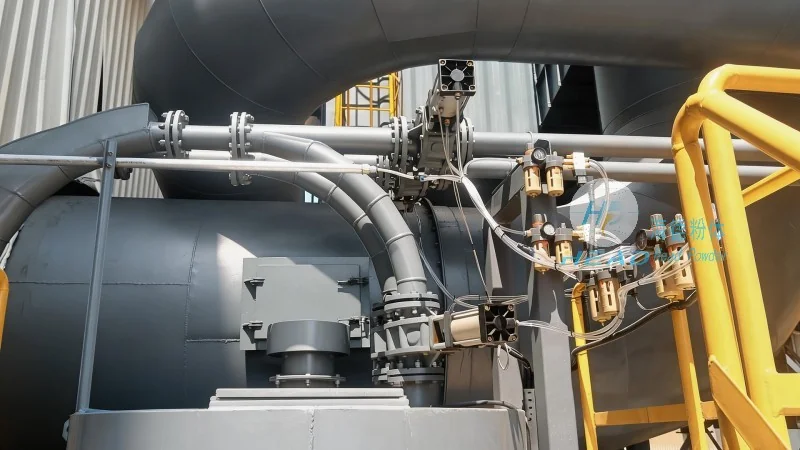
3. Conveying Equipment: This is the core component responsible for moving the masterbatch granules. Common types include screw conveyors, pneumatic conveyors, and belt conveyors. Screw conveyors are widely used due to their simplicity and effectiveness in handling dry, free-flowing materials. Pneumatic conveyors use air pressure to transport materials, offering flexibility in layout and the ability to handle fine or dusty particles. Belt conveyors are suitable for larger particle sizes and require less maintenance.
4. Control Systems: Modern masterbatch conveying systems are equipped with advanced control systems that monitor and regulate the entire process. These systems include sensors for level, flow, and temperature, as well as programmable logic controllers (PLCs) that adjust the operation of feeders and conveyors based on real-time data. The control systems ensure that the conveying process is optimized for efficiency and reliability.
Design Principles for Efficient Masterbatch Conveying
The design principles of masterbatch particle material conveying systems are guided by several key factors to ensure optimal performance. These principles include:
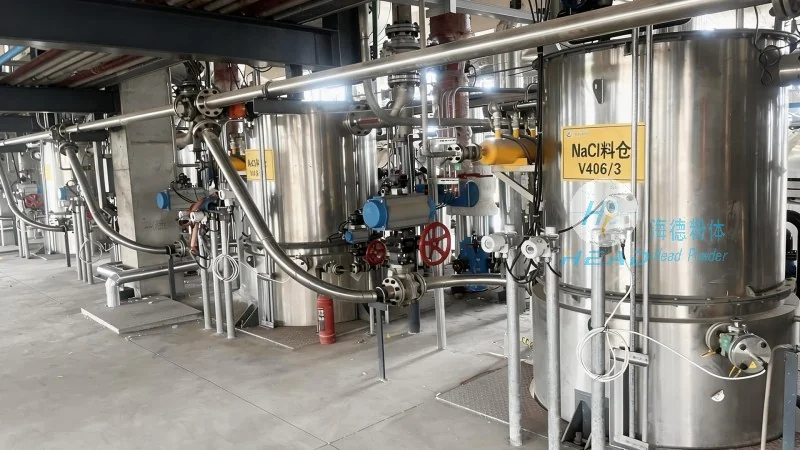
1. Material Handling Efficiency: The system must be designed to handle the specific properties of masterbatch granules, such as their size, density, and flowability. The conveying equipment should be selected based on these properties to minimize material degradation and ensure consistent flow rates.
2. Prevention of Material Degradation: Masterbatch granules are sensitive to heat and mechanical stress, which can affect their color and performance. The design must incorporate features to minimize heat generation and reduce mechanical impact during transport. For example, using low-speed screw conveyors and maintaining proper lubrication can help prevent degradation.
3. Minimization of Material Loss and Contamination: The system should be designed to prevent material loss through leaks or spillage. Proper sealing and maintenance of components are essential. Additionally, the system must prevent cross-contamination between different masterbatch types, which is critical for maintaining product quality.
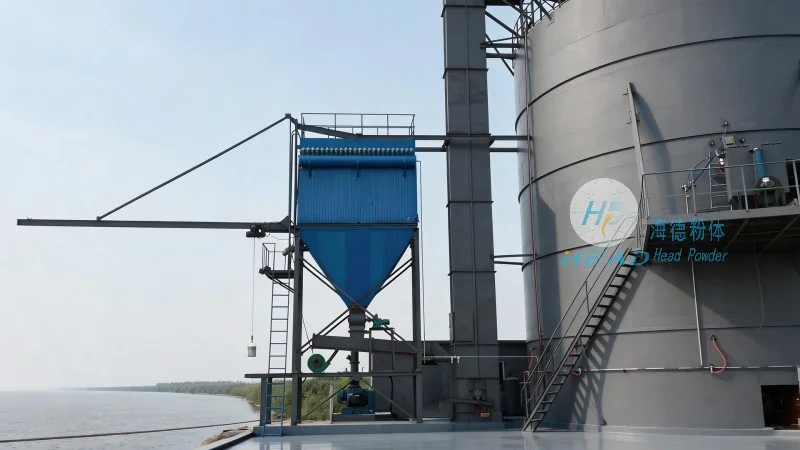
4. Integration with Production Processes: The conveying system must be integrated seamlessly with the downstream processing equipment, such as extruders or mixers. This integration ensures that the masterbatch is delivered at the correct time and in the right quantity, aligning with the production schedule and maintaining process consistency.
HeadPowder's Expertise in Masterbatch Conveying Systems
Shandong HeadPowder Engineering Co., Ltd., commonly known as HeadPowder, is a leading manufacturer specializing in the design and production of masterbatch and related material handling equipment. With a strong focus on innovation and quality, HeadPowder has developed advanced masterbatch particle material conveying systems that meet the highest industry standards. The company's expertise lies in understanding the unique requirements of masterbatch production and tailoring solutions to enhance efficiency and reliability.
HeadPowder's conveying systems are engineered with precision, incorporating the latest technologies to ensure optimal performance. The company's design principles prioritize material handling efficiency, minimal degradation, and seamless integration with production processes. By leveraging years of experience and continuous research, HeadPowder has become a trusted partner for manufacturers seeking reliable and efficient masterbatch conveying solutions.
Conclusion
Masterbatch particle material conveying systems are essential for the efficient and reliable production of masterbatches and plastic compounds. The design principles behind these systems focus on material handling efficiency, prevention of degradation, and integration with production processes. Companies like Shandong HeadPowder Engineering Co., Ltd. play a crucial role in providing advanced solutions that meet the evolving needs of the industry. By investing in well-designed conveying systems, manufacturers can enhance their production capabilities, reduce costs, and maintain high-quality standards in their products.