

What is a Gypsum and Lime Material Handling System? What are the Design Principles?
Gypsum and lime are widely used materials in various industrial applications, including construction, agriculture, and chemical processing. Efficient and reliable material handling is crucial for optimizing production processes and ensuring consistent quality. This article explores the concept of a gypsum and lime material handling system, delving into its design principles and key components that enable effective material transport and processing, with a focus on the expertise of Shandong HeadPowder Engineering Co., Ltd.
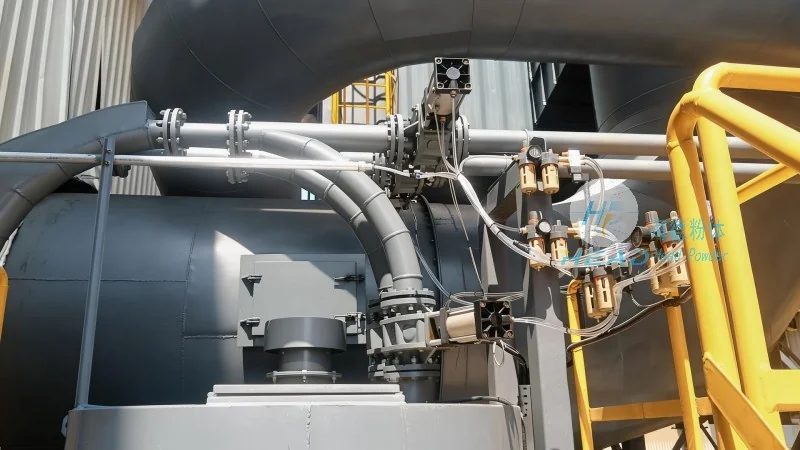
Key Components of a Gypsum and Lime Material Handling System
The core of any material handling system for gypsum and lime involves several critical components that work in tandem to ensure smooth operation. These components include feeders, conveyors, storage silos, and control systems. Each component is carefully selected and integrated to meet the specific requirements of the material being handled, such as particle size, moisture content, and flow characteristics. The design and selection of these components are pivotal to the overall performance and longevity of the system.
Feeders are essential for controlling the flow rate of gypsum and lime from storage silos to the processing equipment. They can be designed as rotary, vibratory, or belt feeders, depending on the material's properties. The choice of feeder type directly impacts the uniformity of material discharge, which is vital for maintaining consistent product quality in downstream processes. For example, rotary feeders are often used for bulk materials due to their high capacity and ability to handle large volumes, while vibratory feeders are preferred for materials with higher moisture content to prevent clogging.
Conveyor Systems for Gypsum and Lime Transport
Conveyors are the primary means of transporting gypsum and lime over longer distances within a facility. Different types of conveyors are used based on the application, including belt conveyors, screw conveyors, and pneumatic conveyors. Belt conveyors are commonly used for bulk material transport due to their high capacity and ability to handle large volumes of material. They are particularly effective for horizontal or slightly inclined transport, providing a cost-effective solution for moving materials between different parts of a plant.
Screw conveyors are ideal for vertical or inclined transport, providing a compact solution for moving materials between different levels. They are also suitable for materials that require a contained environment to prevent dusting or contamination. The design of the screw, including its pitch and diameter, is critical to ensure efficient material transport without excessive pressure loss or material degradation.
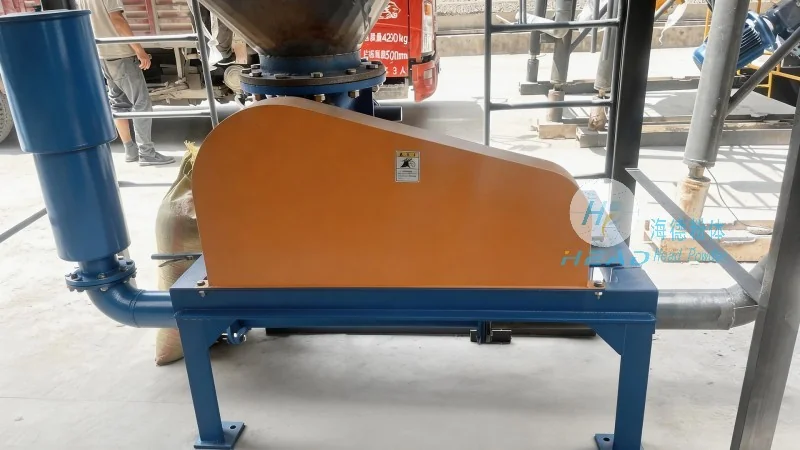
Pneumatic conveyors, or air slides, use air pressure to move fine powders like gypsum and lime. This method is particularly effective for materials that are prone to dusting or require a dust-free environment. The design of the pneumatic system, including the air velocity and duct size, is critical to ensure efficient material transport without excessive pressure loss. Pneumatic conveyors are often used in applications where dust control is a priority, such as in food processing or pharmaceutical industries.
Storage Silos and Hopper Design
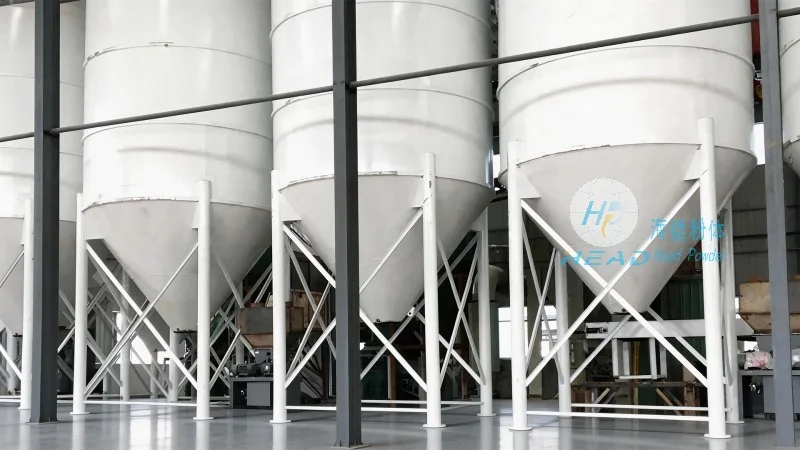
Storage silos are used to store large quantities of gypsum and lime, providing a stable and controlled environment for the material. The design of the silo, including its shape, size, and internal lining, is crucial for preventing material degradation and ensuring uniform flow. Hoppers are often integrated with silos to facilitate material discharge, and their angle and design are optimized to minimize blockages and ensure smooth material flow. The use of anti-corrosion coatings and wear-resistant materials in the silo and hopper design is essential to withstand the chemical and physical properties of gypsum and lime.
Control Systems and Automation
Modern gypsum and lime material handling systems incorporate advanced control systems to monitor and regulate the entire process. These systems use sensors and control panels to adjust feeder speeds, conveyor speeds, and silo levels in real-time. Automation not only improves operational efficiency but also enhances safety by reducing the risk of human error and ensuring consistent material handling performance. The integration of PLC (Programmable Logic Controller) systems allows for precise control over the entire material handling process, enabling quick response to changes in production demand.
Design Principles for Optimal Performance
The design of a gypsum and lime material handling system follows several key principles to ensure optimal performance and longevity. These principles include material compatibility, flow optimization, and maintenance accessibility. Material compatibility refers to the selection of equipment materials that can withstand the chemical and physical properties of gypsum and lime, such as corrosion resistance and abrasion resistance. The use of stainless steel, carbon steel with appropriate coatings, and wear-resistant liners is common in the industry to ensure durability.
Flow optimization involves designing the system to minimize material buildup and ensure consistent flow rates, which is critical for preventing system downtime and maintaining production efficiency. This includes proper hopper angle, feeder design, and conveyor slope. The use of flow aids, such as vibrators or air knives, may be necessary to prevent material bridging or rat holing in the silo or hopper.
Maintenance accessibility is another important design consideration, as regular maintenance is necessary to keep the system running smoothly. The layout of the system should allow easy access to components for inspection, cleaning, and repair, reducing downtime and extending the equipment's service life. This includes proper spacing between equipment, clear access routes, and removable panels or covers.
Applications and Industry Use Cases
Gypsum and lime material handling systems are used in a variety of industries, including construction, where gypsum is used in drywall production, and agriculture, where lime is used for soil conditioning. In the chemical industry, these systems are used to transport raw materials for the production of calcium-based products. The versatility of the system makes it suitable for a wide range of applications, and its design can be customized to meet the specific needs of each industry. For example, in the construction industry, the system may be designed to handle large volumes of gypsum with high accuracy in flow control, while in the agricultural sector, it may need to handle lime with higher moisture content and ensure consistent distribution.
Conclusion
Gypsum and lime material handling systems are essential for efficient and reliable material transport in various industrial applications. By understanding the key components, design principles, and applications of these systems, industries can optimize their production processes and ensure consistent product quality. The integration of advanced control systems and automation further enhances the performance and reliability of these systems, making them a critical component of modern industrial operations. Shandong HeadPowder Engineering Co., Ltd. specializes in designing and manufacturing such systems, leveraging years of experience to provide tailored solutions that meet the unique needs of their clients.