

What is a Desulfurization Gypsum Material Handling System? What are the Design Principles?
Desulfurization gypsum, a byproduct of flue gas desulfurization in power plants, requires efficient material handling systems for its transport and processing. This article explores the components, design principles, and operational considerations of such systems, highlighting the role of specialized equipment in managing this valuable industrial material.
HeadPowder Engineering: Expert in Material Handling Solutions
Shandong HeadPowder Engineering Co., Ltd., a leading provider of industrial material handling solutions, specializes in designing and manufacturing systems tailored for desulfurization gypsum. With years of experience in the field, the company has developed robust and reliable systems that meet the unique challenges of handling this material, ensuring safe and efficient operation in power plant and industrial facilities.
Key Components of a Desulfurization Gypsum Material Handling System
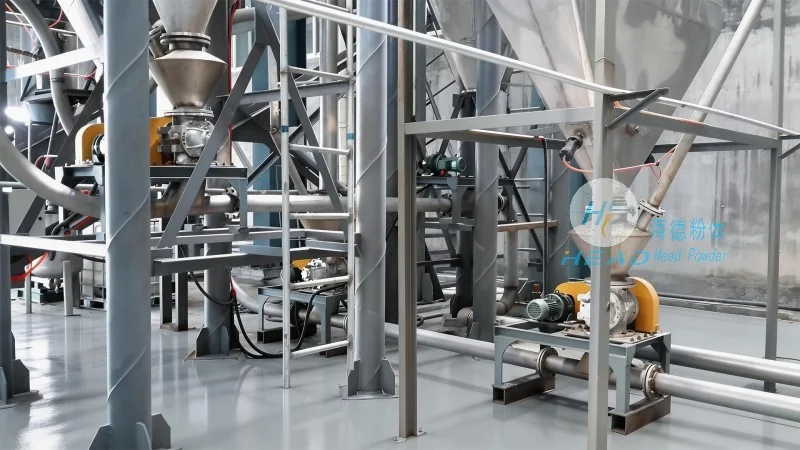
The material handling system for desulfurization gypsum typically includes several key components that work in tandem to ensure smooth material flow. These components may include feeders, conveyors, storage silos, and discharge equipment. Each component is designed to handle the specific properties of gypsum, such as its bulk density, moisture content, and flow characteristics, to prevent blockages and ensure consistent performance.
Design Principles for Optimal Performance
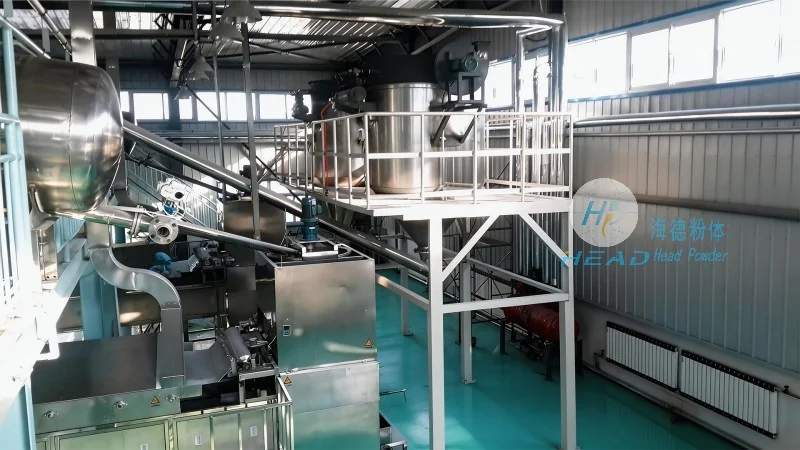
The design of a desulfurization gypsum material handling system follows several critical principles to ensure efficiency, safety, and longevity. First, the system must be designed to handle the material's bulk properties, including its density and flowability, to prevent material buildup and ensure smooth transport. Second, the system should incorporate features that minimize dust generation and control moisture levels, as excessive dust can pose health and safety risks, while moisture can affect the material's handling characteristics. Third, the system must be constructed with durable materials that can withstand the corrosive and abrasive nature of gypsum, ensuring long-term reliability and minimal maintenance.
Feeder Systems for Desulfurization Gypsum
Feeder systems are a critical component of the material handling system, responsible for controlling the flow rate of gypsum from storage silos to the conveyor system. HeadPowder Engineering offers various types of feeders, including rotary, vibratory, and belt feeders, each designed to handle different material characteristics and flow rates. The choice of feeder depends on factors such as the gypsum's moisture content, bulk density, and the required discharge rate. For example, a rotary feeder is often used for dry gypsum, while a vibratory feeder may be preferred for wetter or more cohesive materials. The feeder is typically equipped with adjustable speed controls to regulate the flow rate, ensuring that the conveyor system operates at optimal capacity without overloading or underloading.
Conveyor Systems for Gypsum Transport
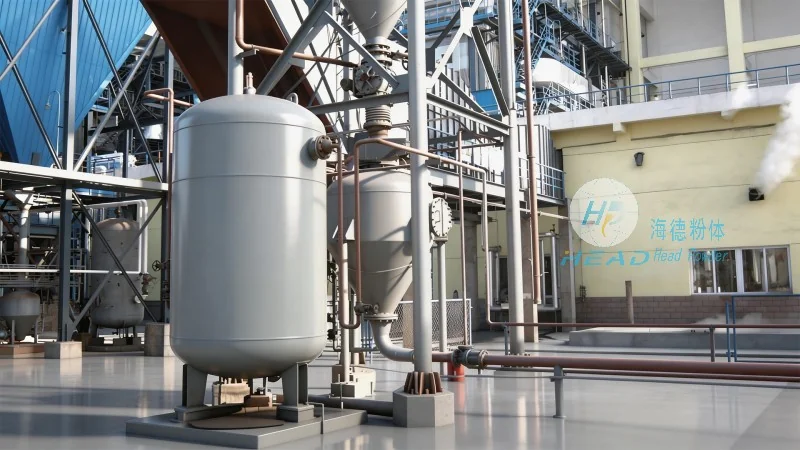
Conveyor systems are the backbone of the material handling system, responsible for transporting gypsum from the feeder to the storage or processing areas. HeadPowder Engineering utilizes various conveyor types, including belt conveyors, screw conveyors, and pneumatic conveyors, depending on the application and material characteristics. Belt conveyors are commonly used for horizontal and inclined transport due to their high capacity and low maintenance. Screw conveyors are ideal for vertical or inclined transport, as they can handle a wide range of materials and provide consistent flow. Pneumatic conveyors, or air slides, are used for fine or dusty materials, as they can transport material over long distances with minimal dust generation. The selection of the conveyor type is based on factors such as the material's size, moisture content, and the required transport distance, ensuring that the system operates efficiently and safely.
Storage Silos and Discharge Equipment
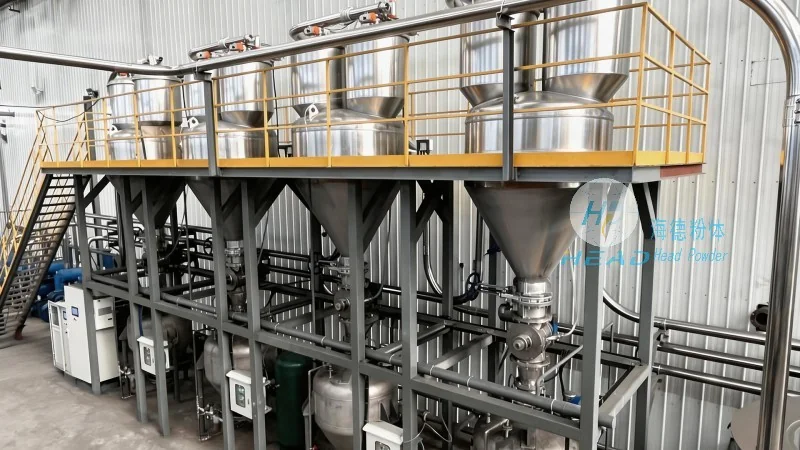
Storage silos are used to store the desulfurization gypsum before it is transported to the processing or disposal site. HeadPowder Engineering designs silos with a capacity ranging from small to large, depending on the plant's needs. The silos are typically made of steel or concrete, with a conical or hopper bottom to facilitate material discharge. The discharge equipment, such as a rotary valve or a gate valve, is designed to control the flow of material from the silo to the feeder system. The silo and discharge equipment are designed to prevent material buildup and ensure consistent flow, reducing the risk of blockages and improving system reliability.
Operational Considerations and Maintenance
Proper operation and maintenance of the desulfurization gypsum material handling system are crucial for ensuring its long-term performance and reliability. Regular maintenance, including cleaning of equipment, inspection of components, and lubrication of moving parts, is essential to prevent wear and tear and extend the system's lifespan. Additionally, operators should monitor the system's performance, such as flow rates and material levels, to detect any issues early and address them promptly. Proper training of personnel on the system's operation and safety procedures is also critical to ensure safe and efficient operation.