

What is an Arsenic Trioxide Material Handling System? And What Are Its Design Principles?
For industrial applications involving the transport and handling of arsenic trioxide, specialized systems are essential to ensure safety, efficiency, and compliance with regulatory standards. This article explores the fundamental aspects of arsenic trioxide material handling systems, focusing on their design principles and operational considerations.
Understanding Arsenic Trioxide and Its Handling Requirements
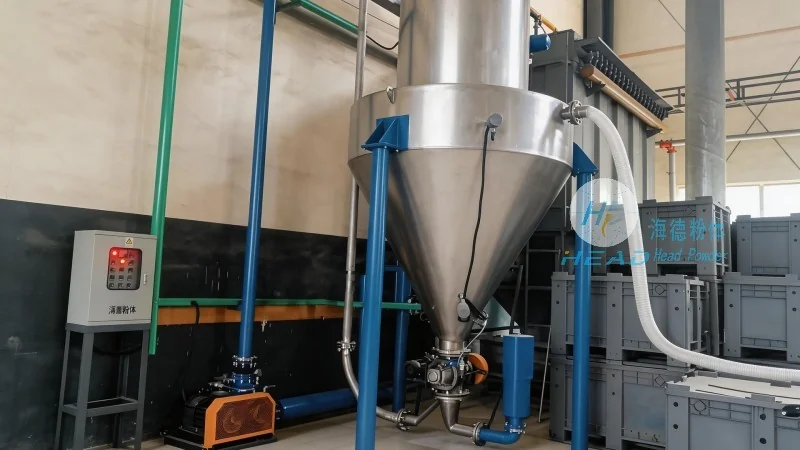
Arsenic trioxide (As₂O₃) is a highly toxic and reactive chemical compound, making its handling a critical concern in industrial processes. The material is often used in pharmaceuticals, metal processing, and chemical manufacturing. Due to its hazardous nature, specialized equipment and systems are required to manage the material safely. This section outlines the key characteristics of arsenic trioxide and the challenges associated with its transport and storage.
Key Components of a Material Handling System for Arsenic Trioxide
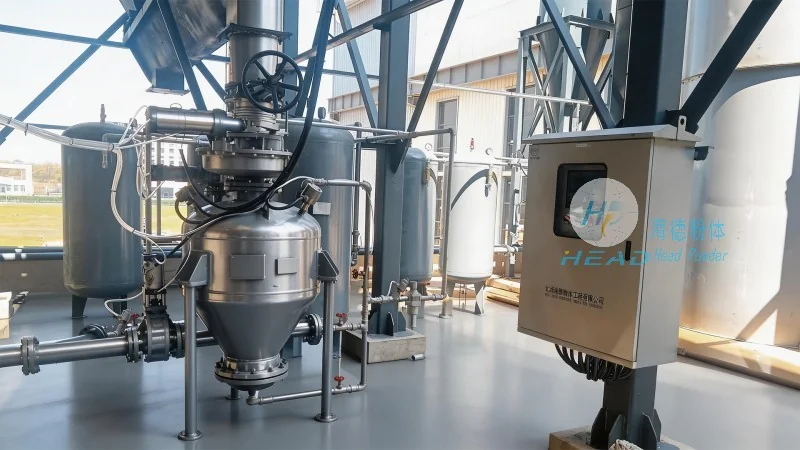
The design of an arsenic trioxide material handling system typically involves several critical components that work in tandem to ensure safe and efficient operation. These components include:
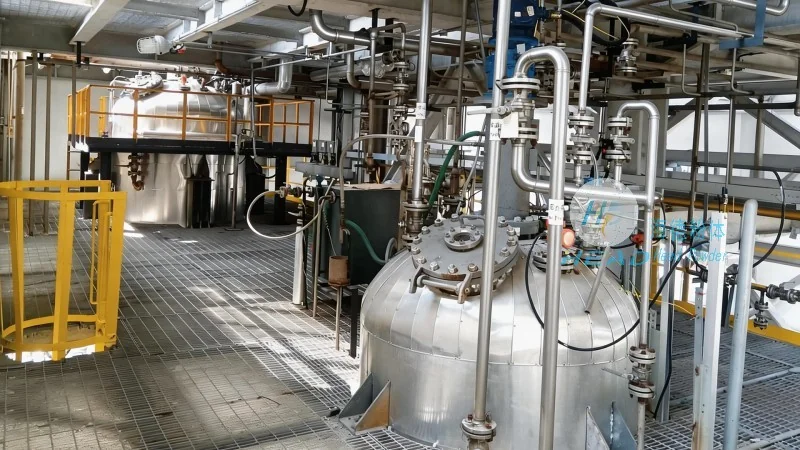
- Piping and Conveying Systems: Specialized pipelines and conveying mechanisms, often made from corrosion-resistant materials such as stainless steel or PTFE, are used to transport the material. These systems are designed to minimize exposure and prevent contamination.
- Valves and Controls: Precision-controlled valves and automated control systems regulate the flow of arsenic trioxide, ensuring accurate dosing and preventing overfilling or leaks.
- Containment and Safety Equipment: Enclosed systems with secondary containment and emergency shut-off mechanisms are essential to prevent accidental release and protect personnel and the environment.
- Monitoring and Detection: Real-time monitoring systems, including gas detectors and temperature sensors, are integrated to detect any deviations from normal operating conditions and trigger safety protocols.
Design Principles for Safe and Efficient Operation
The design of an arsenic trioxide material handling system adheres to several core principles aimed at maximizing safety and operational efficiency. These principles include:
- Containment and Isolation: The system is designed to contain the material within sealed and enclosed spaces, minimizing the risk of exposure to personnel and the environment.
- Material Compatibility: All components, including pipes, valves, and containers, are made from materials that are chemically compatible with arsenic trioxide to prevent corrosion or degradation.
- Automation and Control: Advanced automation systems are employed to control the flow, temperature, and pressure of the material, reducing the risk of human error and ensuring consistent performance.
- Emergency Preparedness: The system includes emergency shutdown procedures and containment measures to respond effectively to any incidents or malfunctions.
Operational Considerations and Best Practices
Operational best practices are crucial for maintaining the safety and efficiency of an arsenic trioxide material handling system. These practices include regular maintenance, training for personnel, and adherence to safety protocols. Additionally, the system should be designed to allow for easy cleaning and decontamination to prevent cross-contamination and ensure compliance with regulatory standards.
Conclusion
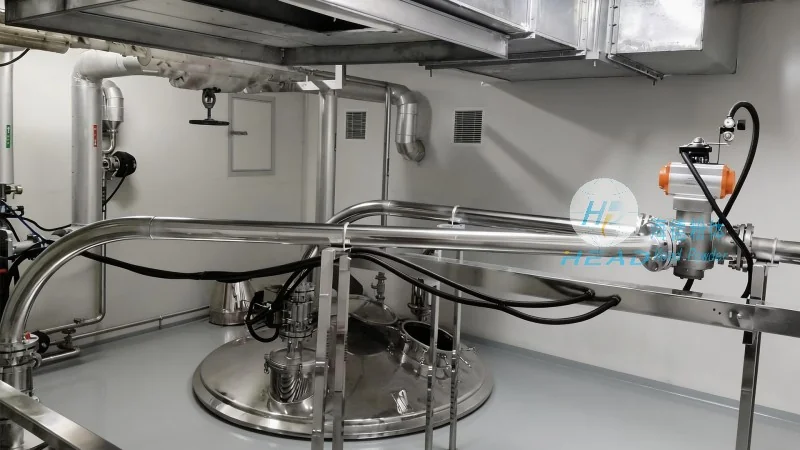
Arising from the expertise of Shandong HeadPowder Engineering Co., Ltd., based in China, arsenic trioxide material handling systems are engineered to meet the stringent requirements of industrial applications. By adhering to design principles focused on safety, containment, and efficiency, these systems provide reliable solutions for the transport and handling of arsenic trioxide, ensuring compliance with safety regulations and operational excellence.