

What Are Fine Chemical Material Handling Equipment? And What Are Their Design Principles?
For industries dealing with fine chemicals, the efficient and safe handling of materials is crucial. This article explores the concept of fine chemical material handling equipment and delves into the design principles that underpin their functionality.
Introduction to Fine Chemical Material Handling Equipment
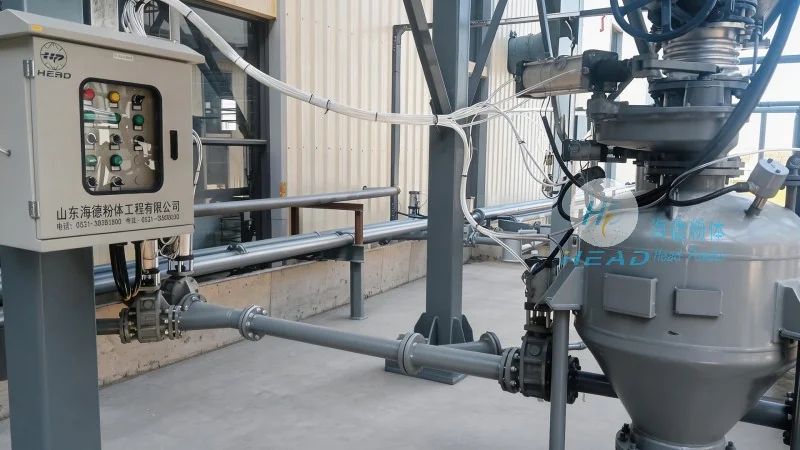
Fine chemical material handling equipment refers to specialized machinery and systems designed for the transport, storage, and processing of fine chemicals. These materials often have unique properties, such as high purity requirements, sensitivity to moisture or air, and potential hazards like flammability or toxicity. Therefore, the equipment used must be tailored to meet these specific demands while ensuring operational safety and compliance with industry standards.
Key Components and Functions
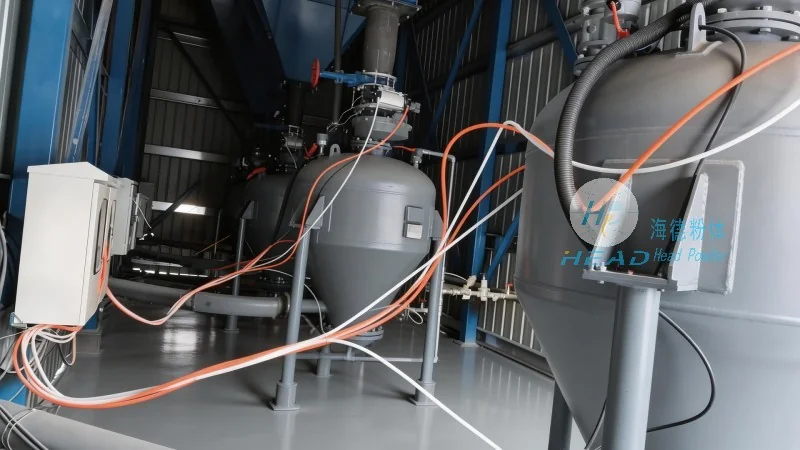
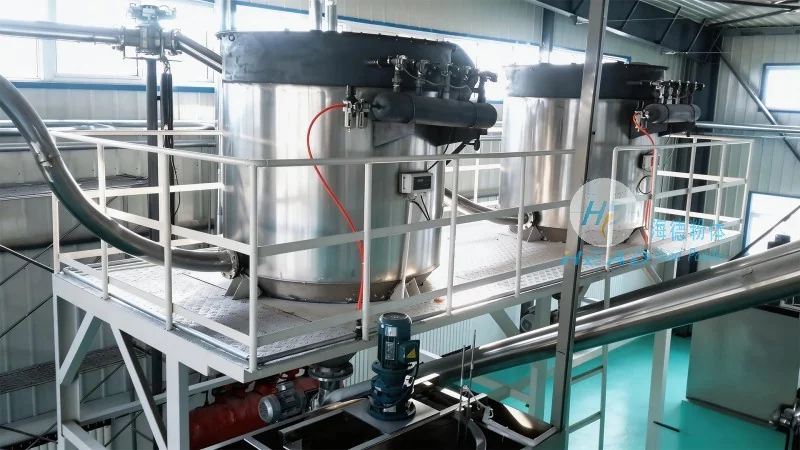
Typical fine chemical material handling equipment includes a range of components that work together to manage the material flow. These may include feeders, conveyors, storage tanks, and control systems. The feeders are responsible for accurately measuring and dispensing the material, often using precision mechanisms to avoid contamination or loss. Conveyors, such as pneumatic or mechanical systems, transport the material from one location to another, ensuring minimal exposure to external factors. Storage tanks are designed with materials like stainless steel or specialized coatings to prevent chemical reactions with the container walls, maintaining the integrity of the product.
Design Principles for Optimal Performance
The design of fine chemical material handling equipment is guided by several key principles to ensure efficiency, safety, and reliability. One of the primary principles is the minimization of material contact with surfaces that could introduce contaminants. This involves using materials like PTFE, stainless steel, or other inert materials for internal components. Another critical principle is the control of environmental factors, such as temperature and humidity, to prevent degradation of the fine chemicals. Many systems incorporate temperature and humidity monitoring and control features to maintain optimal conditions throughout the handling process.
Safety and Compliance Considerations
Given the potential hazards associated with fine chemicals, safety is a paramount consideration in their design. Equipment is often equipped with features like explosion-proof motors, overpressure relief valves, and leak detection systems to mitigate risks. Additionally, compliance with regulations such as GMP (Good Manufacturing Practice) and other industry standards is essential. The design must ensure that the equipment can be easily cleaned and sanitized to prevent cross-contamination, which is vital in pharmaceutical and food industries where product purity is non-negotiable.
Applications in Different Industries
Fine chemical material handling equipment is widely used across various sectors, including pharmaceuticals, agrochemicals, and specialty chemicals. In the pharmaceutical industry, for example, the equipment is used to handle active pharmaceutical ingredients (APIs) and excipients with high precision, ensuring that the final drug product meets stringent quality standards. In agrochemicals, the equipment helps in the safe and efficient transport of pesticides and other chemicals, reducing the risk of exposure to workers and the environment. The versatility of these systems makes them adaptable to different production scales, from small-scale laboratory operations to large-scale industrial manufacturing.
Conclusion
Fine chemical material handling equipment plays a vital role in modern industrial processes, enabling the safe and efficient handling of sensitive materials. The design principles that guide these systems focus on precision, safety, and compliance, ensuring that the materials are handled with the utmost care. As industries continue to demand higher purity and efficiency, the development of advanced material handling equipment will remain a critical area of innovation. Companies like Shandong HeadPowder Engineering Co., Ltd., based in China, specialize in providing tailored solutions for fine chemical material handling, combining expertise in engineering and material science to meet the unique needs of their clients.