

What is Nickel Powder Material Handling Equipment? What Are Its Design Principles?
Nickel powder, a vital material in numerous industrial sectors, necessitates specialized equipment for efficient and safe handling. The nickel powder material handling equipment is engineered to manage the unique characteristics of nickel powder, including its fine particle size, reactivity, and propensity for dust generation. This equipment is indispensable for industries that rely on nickel powder, such as battery manufacturing, metallurgy, and chemical processing. Understanding the design principles behind these systems is essential for optimizing performance, ensuring safety, and maintaining product quality.
Key Components of Nickel Powder Material Handling Systems
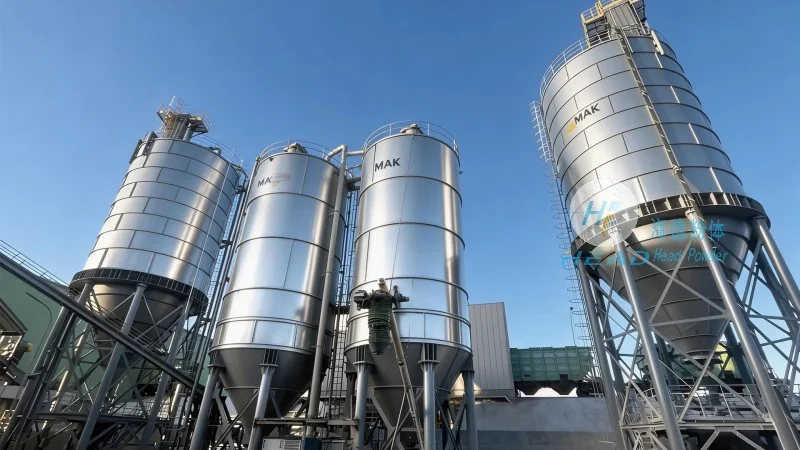
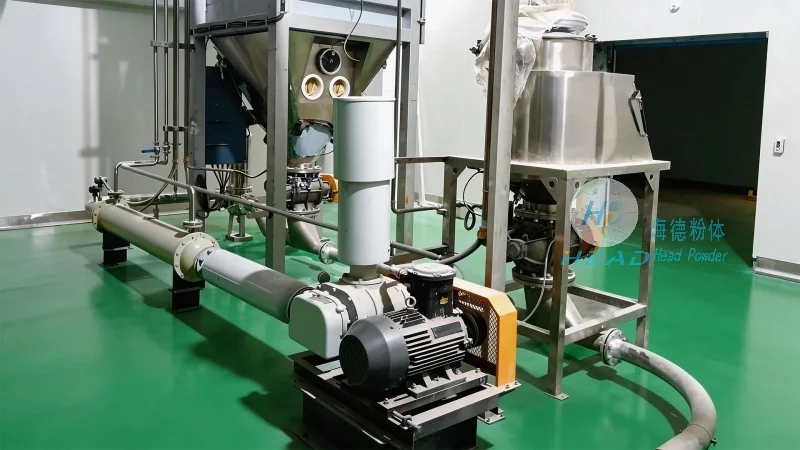
The nickel powder material handling equipment typically comprises several key components that collaborate to transport, store, and process the powder. These components include feeders, conveyors, storage silos, and dust collection systems. Each component is engineered to address the specific challenges of handling nickel powder, such as preventing agglomeration, controlling dust, and maintaining consistent flow rates. For instance, feeders are often designed with specialized mechanisms to handle fine particles without causing blockages or uneven distribution. Conveyors, such as pneumatic or mechanical systems, are employed to move the powder from one location to another, while storage silos are equipped with aeration systems to prevent caking and ensure smooth material flow.
Design Principles for Efficient Material Handling
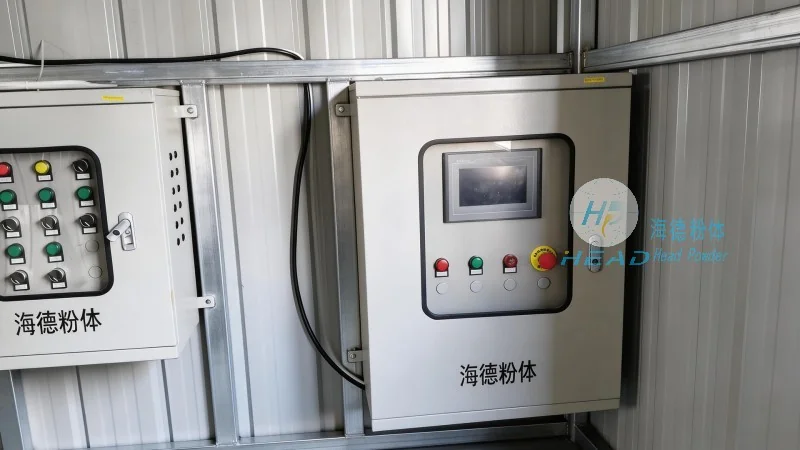
The design principles of nickel powder material handling equipment revolve around several critical factors: material compatibility, dust control, and operational efficiency. Material compatibility is a paramount consideration, as the equipment must be constructed from materials resistant to corrosion and chemical reactions with nickel powder. Stainless steel and specialized alloys are commonly utilized in the construction of these systems to ensure durability and safety. Dust control is another essential aspect, given that nickel powder can be hazardous if inhaled. The equipment is designed with sealed systems, filtration, and ventilation to minimize dust exposure and maintain a safe working environment. Operational efficiency is achieved through the use of advanced control systems, which allow for precise regulation of flow rates, pressure, and temperature. These systems help to optimize the handling process, reduce downtime, and enhance overall productivity.
Application of Nickel Powder Handling Equipment in Industry
Nickel powder material handling equipment is widely utilized across various industrial applications. In the battery industry, for example, nickel powder is integral to the production of lithium-ion batteries, and the handling equipment ensures efficient and safe processing. In metallurgy, the equipment is employed to transport and store nickel powder for subsequent processing, such as sintering or alloying. It is also utilized in chemical processing, where nickel powder serves as a catalyst or raw material. The design principles of these systems are tailored to the specific requirements of each application, ensuring that the equipment is optimized for performance and safety.
Company Overview: Shandong HeadPowder Engineering Co., Ltd.
Shandong HeadPowder Engineering Co., Ltd., commonly referred to as headpowder, is a leading manufacturer of nickel powder material handling equipment. The company is headquartered in Shandong, China, and has established a strong reputation for delivering high-quality, reliable equipment tailored to the nickel powder industry. Headpowder specializes in the design and manufacturing of custom material handling systems that meet the unique needs of its clients. The company's products are recognized for their durability, efficiency, and safety features, making them a preferred choice for industries dependent on nickel powder. Headpowder's team of engineers and technicians collaborate closely with clients to understand their requirements and develop solutions that optimize their material handling processes.