

What Are Lightweight Micropowder Material Handling Equipment? And What Are Their Design Principles?
Lightweight micropowder materials, such as talc, calcium carbonate, and other fine powders with low bulk density, present unique challenges in material handling and transportation. Traditional methods often struggle with issues like dust generation, blockage, and inefficient flow due to the light weight and fine particle size of these materials. To address these challenges, specialized equipment has been developed, commonly referred to as lightweight micropowder material handling equipment. This equipment is engineered to efficiently transport, store, and process these delicate powders while minimizing operational issues and ensuring product integrity.
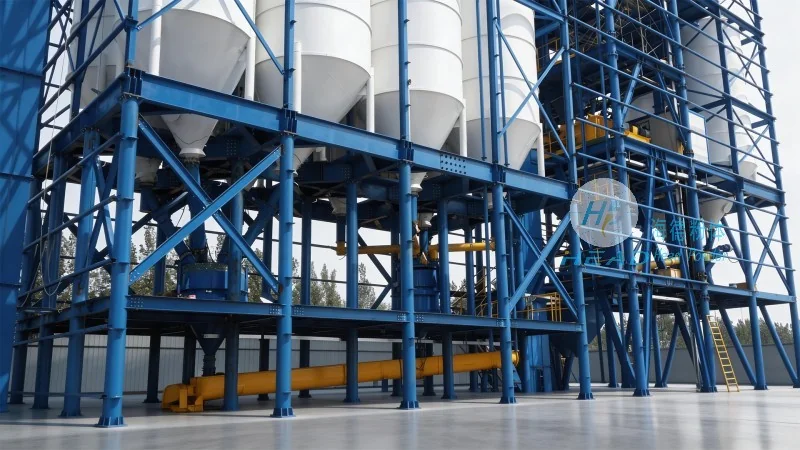
Understanding the Core Function of Lightweight Micropowder Handling Equipment
The primary objective of lightweight micropowder material handling equipment is to manage the movement of fine powders with low bulk density. These materials are typically used in industries like pharmaceuticals, chemicals, food processing, and cosmetics, where precision and cleanliness are paramount. The equipment must handle the unique properties of micropowders, including their tendency to create dust, settle slowly, and require gentle handling to prevent agglomeration or degradation. By utilizing advanced design principles, these systems ensure that the material is transported without damage, maintaining its quality and usability throughout the process.
Key Design Principles for Efficient Micropowder Material Handling
The design of lightweight micropowder material handling equipment is centered on several critical principles to ensure optimal performance. First, the system must incorporate a reliable and efficient air delivery mechanism, often using high-efficiency blowers or vacuum pumps to generate the necessary airflow. This airflow is crucial for lifting and transporting the light powders through a network of pipelines. Second, the design emphasizes gentle material handling to prevent particle breakdown or agglomeration. This is achieved through the use of smooth, non-stick surfaces and low-velocity airflow, which reduces friction and impact on the particles. Third, the system includes effective separation and filtration components to capture dust and ensure that the material is delivered to the target location without contamination. Additionally, the equipment is designed for easy maintenance and cleaning, which is essential for industries where hygiene and product purity are critical.
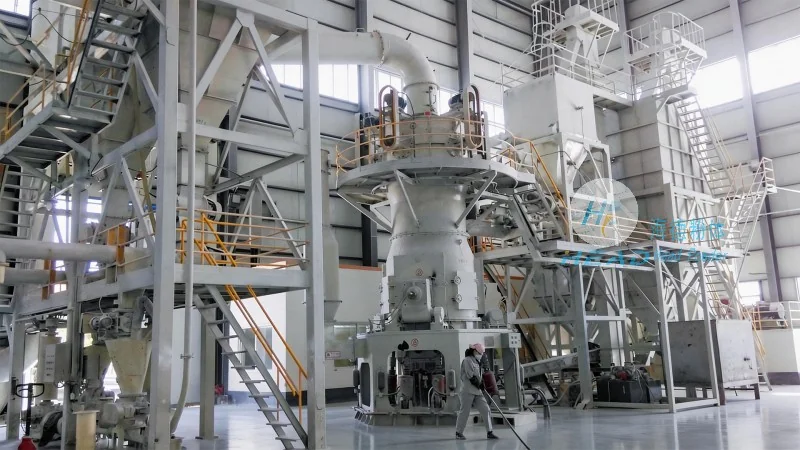
Components and Technologies in Lightweight Micropowder Handling Systems
Lightweight micropowder material handling equipment typically consists of several key components that work in concert to achieve efficient operation. The core components include a blower or vacuum unit that generates the air pressure needed to move the material. This is connected to a network of flexible or rigid pipelines, which may include bends, elbows, and straight sections to guide the material to its destination. At the receiving end, a separator or cyclone is used to separate the material from the air stream, allowing the powder to be collected in a hopper or container. Filtration systems, such as bag filters or cartridge filters, are often integrated to capture any residual dust and maintain air quality. Some advanced systems may also include material feeders, such as rotary valves or screw conveyors, to control the flow rate and prevent overloading the system. The entire design is optimized for low energy consumption and minimal maintenance, making it suitable for continuous industrial operations.
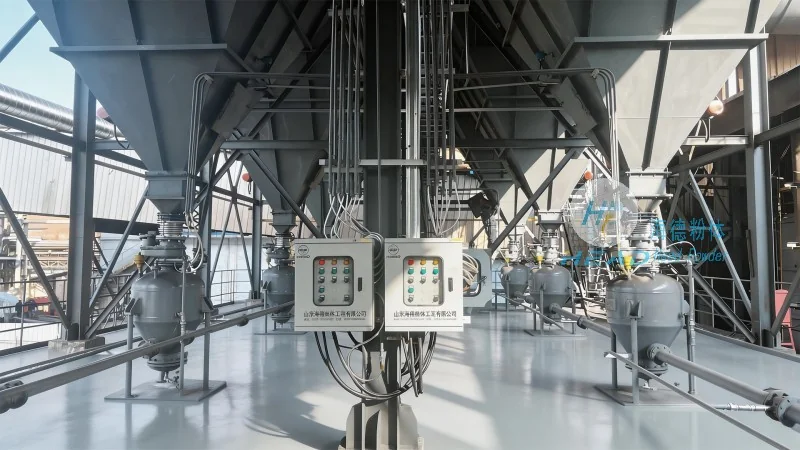
Applications and Industries Benefiting from Micropowder Handling Equipment
Lightweight micropowder material handling equipment is widely used across various industries due to its ability to handle delicate and low-density powders. In the pharmaceutical industry, it is essential for transporting active pharmaceutical ingredients (APIs) and excipients with precision, ensuring that the material remains sterile and free from contamination. In the chemical industry, it is used for handling specialty chemicals, such as pigments and catalysts, where uniform distribution and purity are critical. The food and beverage industry benefits from this equipment when processing ingredients like powdered milk, sugar, and spices, where gentle handling prevents clumping and maintains product quality. Additionally, in the cosmetics industry, it is used for handling powders like talc and mica, which require careful transport to preserve their texture and appearance. Each application leverages the specialized design of the equipment to meet the specific requirements of the industry, ensuring efficient and reliable material handling.
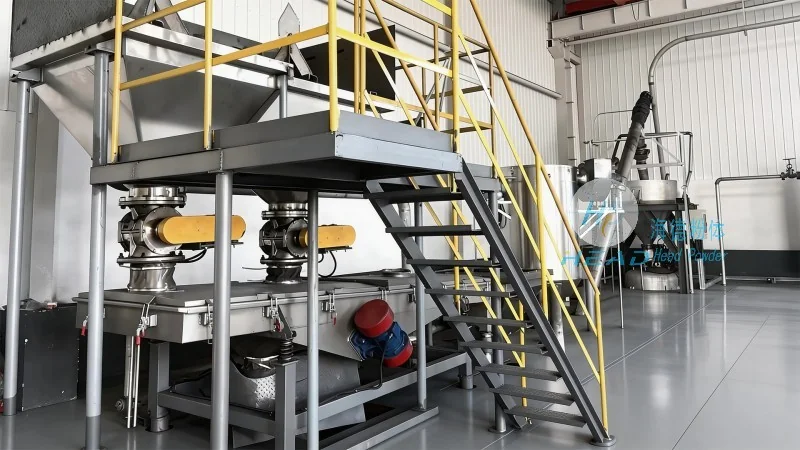
Advantages of Using Lightweight Micropowder Material Handling Equipment
Implementing lightweight micropowder material handling equipment offers numerous advantages over traditional methods. One of the most significant benefits is the reduction in dust generation and associated health and safety risks. The enclosed system design minimizes exposure to airborne particles, improving workplace safety and compliance with environmental regulations. Additionally, the equipment enhances material efficiency by reducing losses due to spillage or agglomeration, leading to cost savings for the operator. The gentle handling of micropowders prevents degradation, ensuring that the material maintains its quality and performance characteristics. Furthermore, the system is designed for easy integration into existing production lines, with minimal downtime during installation and operation. The low maintenance requirements and long service life of these systems also contribute to overall operational efficiency and cost-effectiveness.
Customization and Solutions from Shandong HeadPowder Engineering Co., Ltd.
Shandong HeadPowder Engineering Co., Ltd., a leading manufacturer in the field, specializes in providing customized lightweight micropowder material handling solutions tailored to the specific needs of their clients. With years of experience in the industry, the company understands the unique challenges associated with handling lightweight and fine powders. Their team of engineers works closely with clients to design systems that meet their operational requirements, including material type, flow rate, and environmental constraints. The company offers a range of equipment, from basic pneumatic conveying systems to advanced, integrated solutions that include feeders, separators, and filtration units. All products are manufactured with high-quality materials and rigorous quality control processes to ensure reliability and performance. The company's commitment to customer satisfaction and technical excellence has made it a trusted partner for businesses seeking efficient and reliable micropowder handling equipment. Based in Shandong, China, Shandong HeadPowder Engineering Co., Ltd. leverages its local expertise and resources to deliver innovative solutions that address the evolving needs of the industry.