

What is Monosodium Glutamate Material Handling Equipment? And What Are Its Design Principles?
Monosodium glutamate (MSG), widely recognized as a flavor enhancer in the food industry, necessitates specialized equipment for efficient and safe material handling. The equipment designed for this purpose is vital for preserving product quality and optimizing operational efficiency in production lines. This article delves into the components, design principles, and functional aspects of monosodium glutamate material handling equipment, offering insights into how such systems are engineered to meet industry standards.
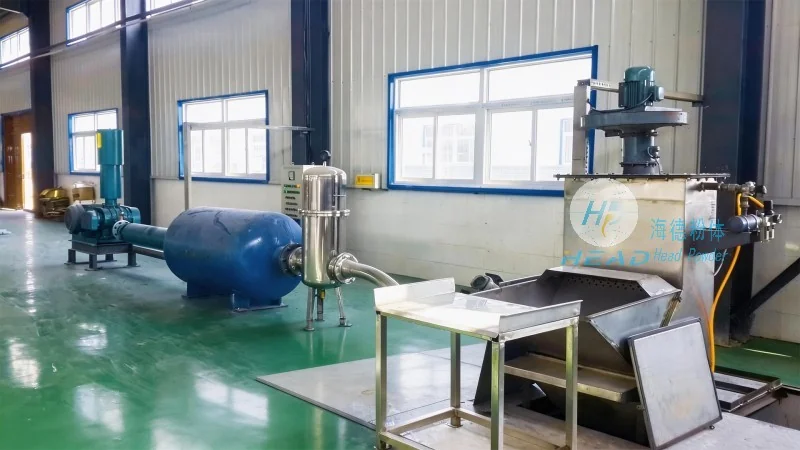
Key Components of Monosodium Glutamate Material Handling Equipment
The monosodium glutamate material handling system typically comprises several critical components that operate in unison to ensure smooth operation. These include feeders, conveyors, storage silos, and control systems. Feeders are responsible for accurately metering the MSG, ensuring consistent flow rates that prevent overloading or underflow. Conveyors, often utilizing belt or screw mechanisms, transport the material from one stage to another, such as from the storage silo to the processing unit. Storage silos are engineered with aeration and temperature control features to maintain the quality of the MSG, as it is hygroscopic and can degrade if exposed to moisture or temperature fluctuations. Control systems, equipped with sensors and automation software, monitor and regulate the entire process, ensuring compliance with safety and operational parameters.
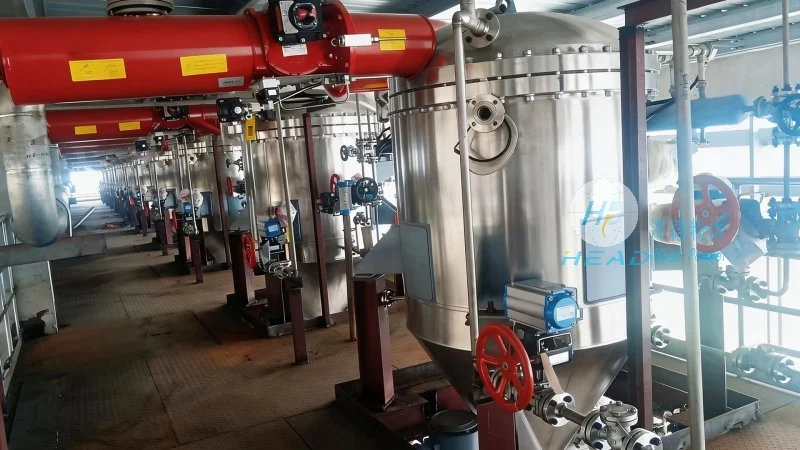
Design Principles for Efficient MSG Handling
The design of monosodium glutamate material handling equipment adheres to several critical principles to ensure optimal performance. First, the equipment must be constructed from materials that are non-reactive with the product, such as stainless steel, to prevent contamination and maintain product purity. Second, the system is engineered for minimal product exposure to air and moisture, as MSG is hygroscopic and can deteriorate under adverse conditions. This is achieved through sealed containers, airtight connections, and proper sealing mechanisms. Third, the design emphasizes energy efficiency and low maintenance, with components that are easy to clean and replace, reducing downtime and operational costs. Additionally, the equipment is designed to comply with international safety and hygiene standards, such as those set by the Food and Drug Administration (FDA) and the European Food Safety Authority (EFSA), ensuring that the final product meets regulatory requirements.
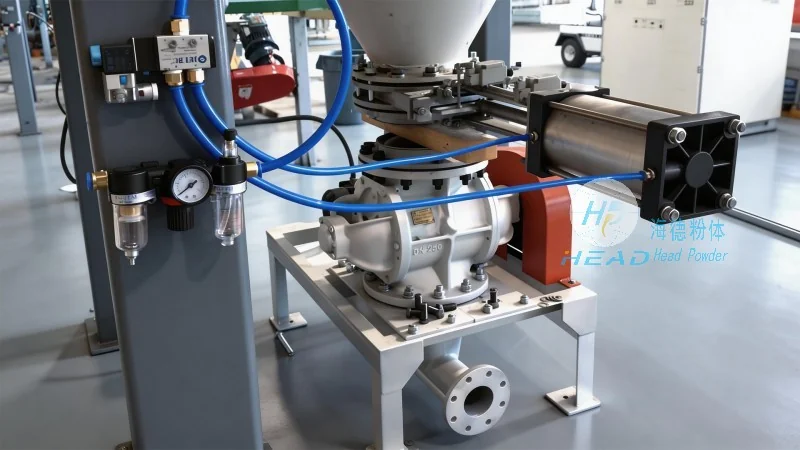
Operational Advantages of Monosodium Glutamate Material Handling Equipment
Implementing monosodium glutamate material handling equipment offers several operational advantages for food processing facilities. One key benefit is improved process control, as the automated systems allow for precise dosing and flow management, reducing variability in product output. This leads to higher product consistency and quality, which is essential for meeting consumer expectations and regulatory standards. Another advantage is enhanced safety, as the equipment minimizes direct human contact with the material, reducing the risk of contamination and exposure to potential hazards. The automated nature of the system also reduces labor costs and improves worker safety by eliminating manual handling of heavy or bulk materials. Furthermore, the equipment is designed for scalability, allowing facilities to expand their production capacity without significant modifications to the existing infrastructure. This flexibility is particularly valuable for companies experiencing growth or adapting to changing market demands.
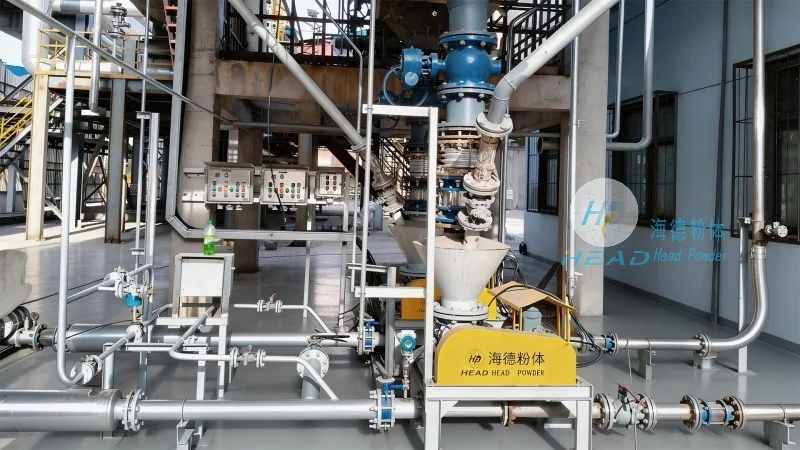
Conclusion and Company Overview
Monosodium glutamate material handling equipment is a critical component of modern food processing operations, designed to ensure efficient, safe, and compliant handling of this essential flavor enhancer. The design principles, components, and operational advantages discussed highlight the importance of specialized equipment in maintaining product quality and operational efficiency. As a leading provider in this field, Shandong HeadPowder Engineering Co., Ltd. (headpowder) specializes in manufacturing and supplying high-quality material handling systems tailored to the unique needs of the food industry. With a focus on innovation, quality, and customer satisfaction, headpowder has established itself as a trusted partner for companies seeking reliable solutions for their monosodium glutamate handling requirements. Based in Shandong, China, headpowder leverages its expertise and local resources to deliver equipment that meets the highest standards of performance and safety, supporting the growth and success of food processing businesses worldwide.