

What is a Glass-Blasted Microsphere Material Handling Equipment? And What Are Its Design Principles?
Understanding the role and design of glass-blasted microsphere material handling equipment is crucial for industries that rely on efficient material transport. This equipment is specifically engineered to handle the unique properties of glass-blasted microspheres, a type of lightweight, insulating material commonly used in construction and industrial applications. The equipment's design principles are tailored to ensure optimal performance, safety, and durability in transporting these specialized materials.
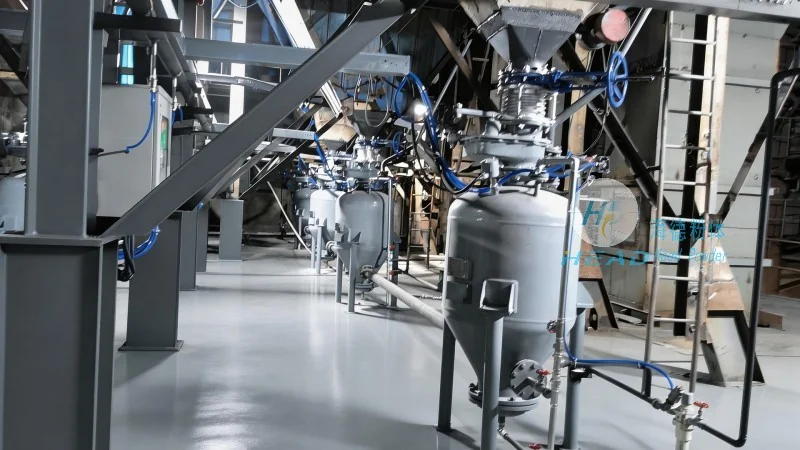
HeadPowder, a leading manufacturer based in Shandong, China, specializes in developing and supplying advanced material handling solutions. With a strong commitment to innovation and quality, HeadPowder's products are designed to meet the diverse needs of clients across various sectors. The company's headquarters and operational base are located in Shandong, China, where it leverages local expertise and resources to deliver high-performance equipment.
Design Principles of Glass-Blasted Microsphere Material Handling Equipment
The design of glass-blasted microsphere material handling equipment follows several key principles to ensure effective and safe operation. First, the equipment is constructed with materials that can withstand the abrasive nature of glass-blasted microspheres, which are known for their hardness and potential to cause wear on standard machinery. This involves using corrosion-resistant and wear-resistant components, such as high-quality stainless steel or specialized alloys, to minimize maintenance and extend the equipment's lifespan.
Second, the equipment incorporates advanced control systems that allow for precise regulation of material flow. This includes variable speed drives, sensors for level and flow monitoring, and automated controls that adjust the transport rate based on real-time conditions. These features help maintain consistent material handling efficiency and prevent overloading or underloading, which can lead to equipment damage or material loss.
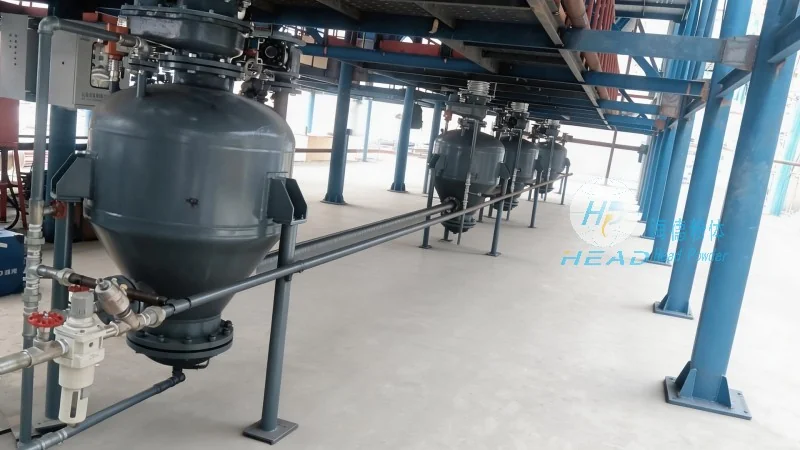
Third, the design emphasizes safety and ergonomic considerations. The equipment is equipped with safety interlocks, emergency stop buttons, and protective enclosures to prevent accidental exposure to moving parts or the material itself. Additionally, the layout and controls are designed to be user-friendly, reducing the risk of human error and enhancing operational safety for personnel.
Structural Components and Working Principles
The core components of glass-blasted microsphere material handling equipment typically include hoppers, conveyors, and discharge mechanisms. The hopper is designed to store the microspheres and ensure a uniform feed into the conveyor system. It may feature a sloped bottom to facilitate smooth material flow and prevent clogging. The conveyor system, often a screw or belt conveyor, is engineered to handle the lightweight yet abrasive nature of the microspheres. The screw conveyor, in particular, is effective for vertical or inclined transport, as it can maintain consistent material movement without the need for external power sources like buckets or buckets.
The working principle involves the material being fed into the hopper, where it is then transported through the conveyor system to the discharge point. The speed of the conveyor is controlled to match the material's flow characteristics, ensuring that the microspheres move at a rate that prevents segregation or bridging. Sensors are integrated into the system to monitor the material level and flow rate, providing feedback to the control system for adjustments as needed.
Applications and Benefits
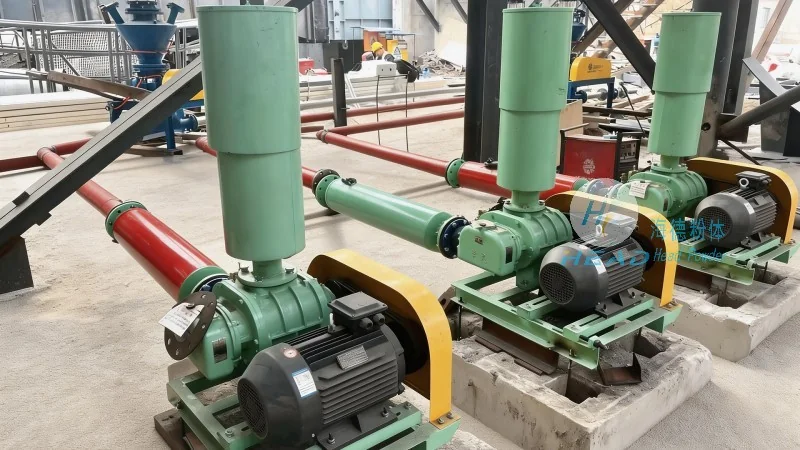
Glass-blasted microsphere material handling equipment is widely used in industries such as construction, insulation manufacturing, and industrial coating. The equipment's ability to efficiently transport these lightweight, insulating materials reduces labor costs and increases production throughput. By ensuring consistent material flow, the equipment helps maintain product quality and reduces waste, which is critical in industries where material consistency is paramount.
Another key benefit is the equipment's durability and low maintenance requirements. The use of wear-resistant materials and advanced control systems minimizes downtime and maintenance costs, making it a cost-effective solution for long-term operation. Additionally, the equipment's compact design allows for easy integration into existing production lines, without requiring significant modifications to the facility.
Conclusion
Glass-blasted microsphere material handling equipment, designed with precision and durability in mind, plays a vital role in modern industrial operations. The design principles, structural components, and working mechanisms are all optimized to handle the unique properties of glass-blasted microspheres, ensuring efficient, safe, and reliable material transport. As a leading manufacturer, HeadPowder continues to innovate and improve its equipment to meet the evolving needs of its clients, providing high-quality solutions that enhance productivity and operational efficiency.