

What is a Glass Fiber Powder Material Handling Equipment? And What Are Its Design Principles?
For industries dealing with glass fiber powders, efficient and safe material handling is crucial. This article explores the concept of glass fiber powder material handling equipment and delves into its core design principles, highlighting the technical aspects that ensure optimal performance and safety in handling such specialized materials.
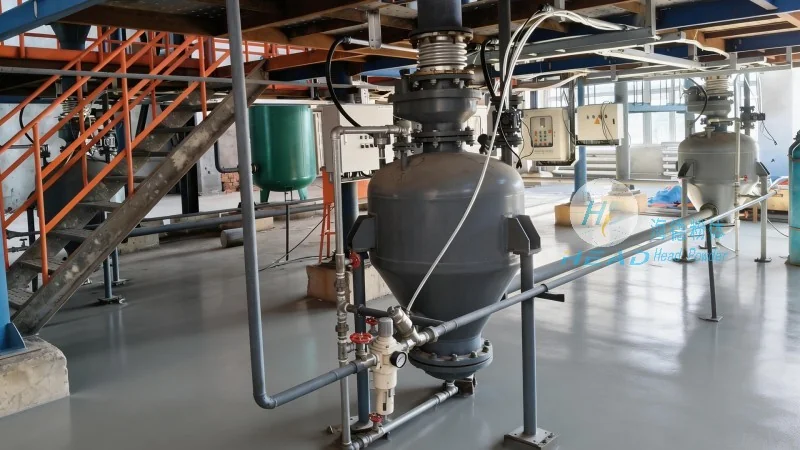
Understanding Glass Fiber Powder Material Handling Equipment
Glass fiber powder is a fine, lightweight material commonly used in various industries, including composites, textiles, and construction. Due to its fine particle size and potential for generating static electricity, conventional material handling systems may not be suitable. Specialized equipment is therefore required to manage the unique properties of glass fiber powder, ensuring minimal dust generation, effective containment, and safe operation. The equipment, developed by Shandong HeadPowder Engineering Co., Ltd., is tailored to handle the material from storage to processing, providing a seamless workflow that maintains material integrity and worker safety.
Key Design Principles for Glass Fiber Powder Handling Systems
The design of glass fiber powder material handling equipment revolves around several critical principles to address the challenges posed by the material. First, sealability and dust control are paramount. The equipment incorporates robust sealing mechanisms to prevent powder leakage and airborne dust, which is essential for maintaining a clean working environment and complying with industrial safety standards. Second, anti-static features are integrated to mitigate the risk of static discharge, which can cause material accumulation or even spark hazards. This is achieved through grounding systems and anti-static coatings on the equipment surfaces. Third, material compatibility is considered, as the equipment components are made from materials that do not react with or degrade the glass fiber powder, ensuring long-term durability and performance. Additionally, flexibility and adaptability are key design aspects, allowing the equipment to handle varying particle sizes and flow rates, which is vital for accommodating different production requirements.
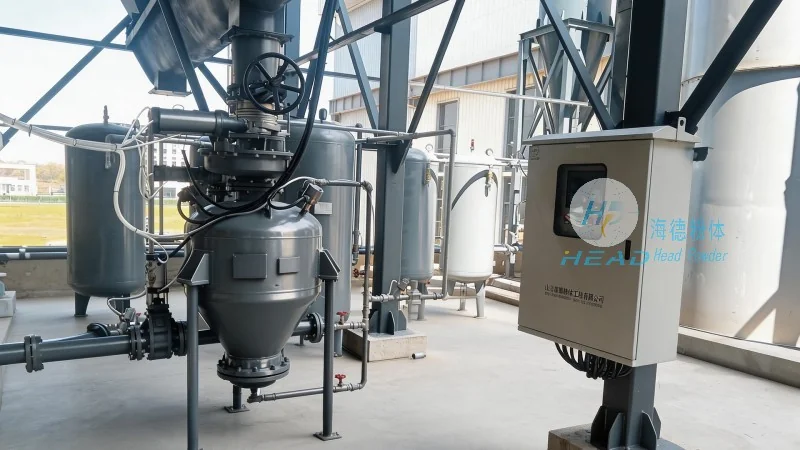
Components and Functionalities of the Equipment
The glass fiber powder material handling equipment typically consists of several interconnected components that work in tandem to achieve efficient material transport. These components include feeders, conveyors, storage hoppers, and dust collection systems. The feeders are designed to control the flow rate of the powder, preventing overloading or underflow, which can affect the consistency of downstream processes. The conveyors, often using pneumatic or mechanical methods, transport the powder from one point to another with minimal disruption. Storage hoppers are equipped with internal agitators or vibrators to prevent material bridging and ensure smooth discharge. The dust collection system, integrated into the equipment, captures any airborne particles, ensuring compliance with environmental regulations and maintaining a safe workplace. Each component is engineered to handle the specific characteristics of glass fiber powder, such as its low bulk density and tendency to create static charges.
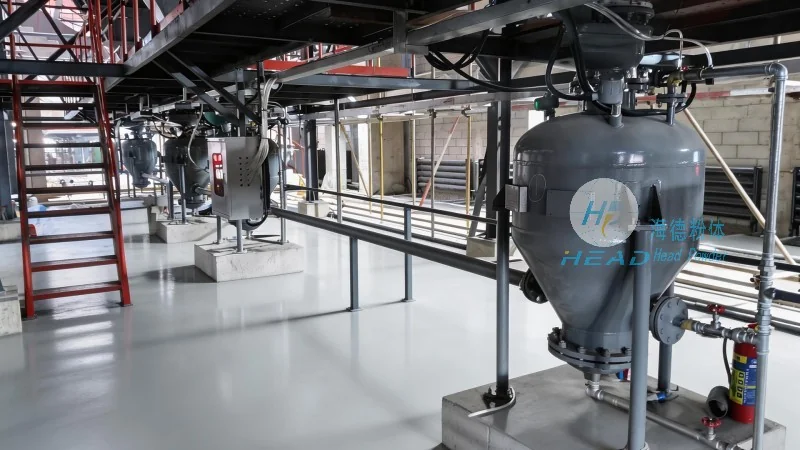
Benefits of Using Specialized Glass Fiber Powder Handling Equipment
Implementing specialized glass fiber powder material handling equipment offers numerous benefits for industrial operations. Firstly, it enhances safety by reducing the risk of dust explosions and respiratory hazards associated with handling fine powders. The sealed and anti-static design minimizes the potential for fire or explosion risks, creating a safer working environment for personnel. Secondly, it improves operational efficiency by ensuring consistent material flow and reducing downtime caused by material bridging or blockages. The equipment's ability to handle varying particle sizes and flow rates allows for flexible production schedules and adaptability to changing production needs. Thirdly, it maintains material quality by preventing contamination and degradation during handling. The sealed system and controlled environment protect the glass fiber powder from moisture, contaminants, or other external factors that could affect its performance in end products. Finally, it contributes to cost savings by reducing waste and improving the overall productivity of the production line.
Conclusion
Glass fiber powder material handling equipment is a critical component in industries that rely on this specialized material. By adhering to key design principles such as sealability, anti-static features, and material compatibility, these systems ensure safe, efficient, and reliable handling of glass fiber powders. The equipment's components, including feeders, conveyors, and dust collection systems, work together to maintain material integrity and operational efficiency. The benefits of using such specialized equipment extend beyond safety and efficiency, contributing to overall cost savings and product quality. For companies in the glass fiber industry, investing in appropriate material handling solutions is essential for maintaining competitiveness and ensuring long-term success in their operations.