

What is a Dust-Free Material Conveying Line? And Its Design Principles?
For industries that demand high purity and contamination control, such as pharmaceuticals, electronics, and food processing, dust-free material conveying lines are essential equipment. These systems are engineered to transport materials while maintaining a controlled, particle-free environment, ensuring product integrity and compliance with stringent industry standards. The core of these systems lies in their design, which integrates advanced filtration, sealed components, and precise control mechanisms to prevent dust contamination and maintain a cleanroom-like atmosphere throughout the conveying process.
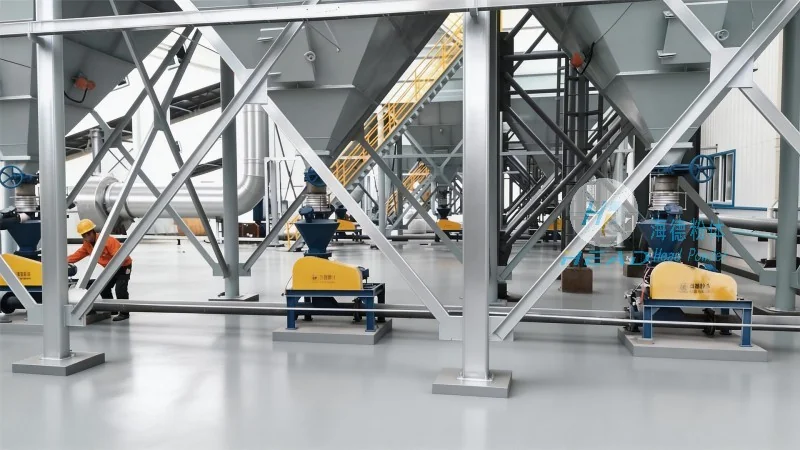
Key Design Principles of Dust-Free Material Conveying Lines
The design of a dust-free material conveying line is built on several critical principles that ensure optimal performance and contamination control. First, the system utilizes airtight and sealed components to prevent the ingress of external dust particles. This includes the use of high-quality seals on hoppers, conveyors, and transfer points, which are often made from materials like stainless steel or specialized polymers that resist wear and maintain a tight seal. Second, advanced filtration systems are integrated into the line to capture any airborne particles that may be generated during material handling. These filters, typically HEPA or ULPA rated, are strategically placed at the inlet and outlet of the conveying system to ensure that the air remains clean and free from contaminants. Third, the system employs a closed-loop or enclosed design to minimize exposure to the external environment. This design reduces the risk of dust being released into the surrounding area and prevents external contaminants from entering the system. Additionally, the use of positive pressure or negative pressure control helps maintain the desired air quality within the conveying line, further enhancing contamination control.
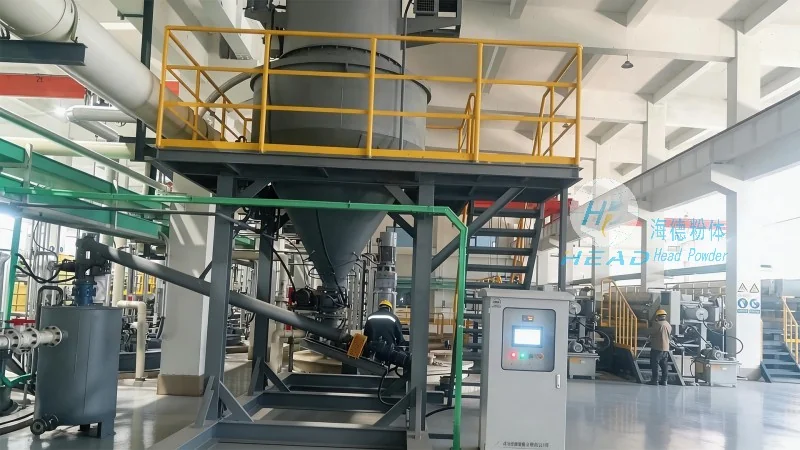
Components and Technologies Used in Dust-Free Material Conveying Lines
Several key components and technologies are integral to the functionality of dust-free material conveying lines. The primary components include hoppers for material storage, which are designed with smooth, non-porous surfaces to prevent material buildup and contamination. The hoppers are often equipped with level sensors and discharge valves to control the flow of material into the conveying system. The conveying mechanism itself can vary, with options including screw conveyors, belt conveyors, or pneumatic conveying systems, each chosen based on the material's properties and the required conveying speed. For example, screw conveyors are suitable for granular or powdery materials, while pneumatic systems are ideal for fine powders that require gentle handling to avoid agglomeration. The system also includes control panels that monitor and regulate the operation of the conveying line, ensuring consistent performance and preventing overloading or underloading. Sensors for material level, pressure, and temperature are integrated to provide real-time feedback and enable automatic adjustments to maintain optimal conditions.
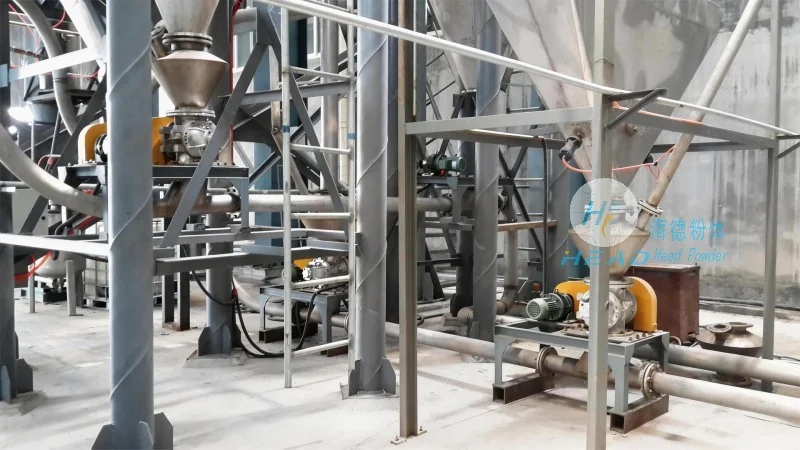
Applications and Benefits of Dust-Free Material Conveying Lines
Dust-free material conveying lines are widely used in industries where product purity is paramount. In the pharmaceutical industry, these systems are crucial for transporting active pharmaceutical ingredients (APIs) and excipients, ensuring that the final product meets the strict purity standards required by regulatory bodies. In the electronics industry, they are used to convey components and materials for semiconductor manufacturing, where even minute dust particles can cause defects in microchips. The food processing industry also benefits from these systems, as they help maintain a clean environment for handling food products, preventing contamination from dust or other particles. The benefits of using dust-free material conveying lines extend beyond contamination control. These systems improve operational efficiency by reducing downtime due to cleaning and maintenance, as the enclosed design minimizes the need for frequent cleaning. They also enhance safety by preventing dust explosions, which can be a significant hazard in industries dealing with powders. Furthermore, the consistent and controlled conveying of materials leads to improved product quality and reduced waste, as the system ensures that materials are handled gently and without damage.
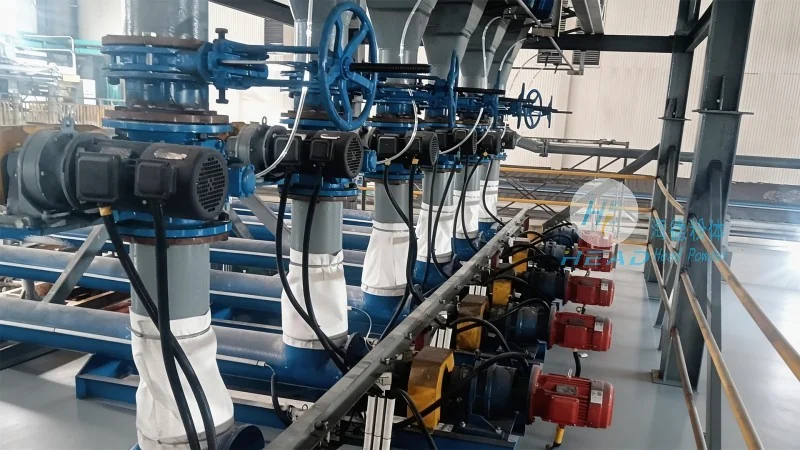
Customization and Integration with Other Systems
Shandong HeadPowder Engineering Co., Ltd. specializes in designing and manufacturing customized dust-free material conveying lines tailored to the specific needs of each client. The company, often referred to as HeadPowder, understands that different industries have unique requirements, and thus offers a range of customization options. For instance, the system can be integrated with other equipment such as weighing scales, mixers, or packaging machines to create a fully automated production line. The company also considers factors such as material flow rates, particle size, and the required level of contamination control when designing the system. The customization process involves detailed consultation with the client to understand their operational needs and then designing a solution that meets those needs while adhering to industry standards. The final product is tested and validated to ensure that it meets the specified performance criteria before delivery. This approach ensures that the dust-free material conveying line is not only effective in controlling dust but also seamlessly integrates into the client's existing production processes.