

What is an Automatic Weighing and Feeding Material Conveying Line? What Are Its Design Principles?
When it comes to industrial material handling and processing, the automatic weighing and feeding material conveying line represents a sophisticated solution designed to enhance efficiency and precision in various production environments. This system integrates advanced weighing technology with automated material transport mechanisms, enabling seamless and accurate material handling from initial input to final processing stages. Understanding the core components and design principles of such a line is crucial for industries seeking to optimize their operational workflows.
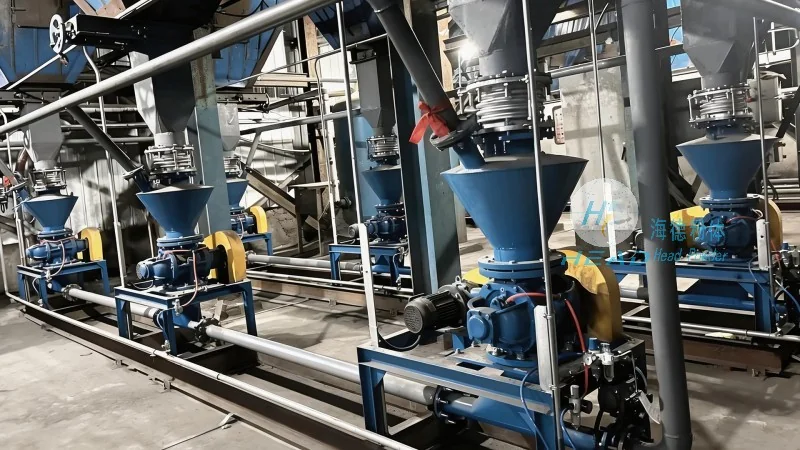
Core Components of an Automatic Weighing and Feeding Material Conveying Line
The automatic weighing and feeding material conveying line typically consists of several key components that work in concert to achieve precise material handling. At the heart of the system is the weighing unit, which can be a digital scale or a load cell-based sensor designed to measure the weight of materials with high accuracy. This unit is often integrated with a control system that processes the weight data and sends signals to other components for precise adjustments. The feeding mechanism, which may include augers, screws, or belt conveyors, is responsible for transporting materials from the weighing unit to the processing equipment. Additionally, the conveying line may incorporate a control panel or a programmable logic controller (PLC) that manages the entire operation, ensuring that material flow and weighing processes are synchronized and optimized. Other components may include sensors for level detection, safety interlocks, and material flow indicators, which contribute to the overall reliability and safety of the system.
Design Principles and Operational Mechanics
The design of an automatic weighing and feeding material conveying line is guided by several fundamental principles aimed at maximizing efficiency, accuracy, and reliability. One of the primary design principles is the integration of weighing and feeding functions into a single, cohesive system, which minimizes the need for manual intervention and reduces the risk of human error. The system is engineered to maintain consistent material flow rates and weighing accuracy, even under varying load conditions. This is achieved through the use of precise control algorithms that adjust feeding speeds and material input based on real-time weight measurements. Another key design principle is modularity, allowing for easy customization and scalability to accommodate different production requirements. The line can be configured with different feeding mechanisms, conveyor types, and weighing capacities to suit specific industrial applications, such as in the food processing, pharmaceutical, or chemical industries. Furthermore, the design emphasizes safety and compliance with industry standards, incorporating features like overload protection, emergency stop buttons, and data logging capabilities to ensure operational safety and regulatory adherence.
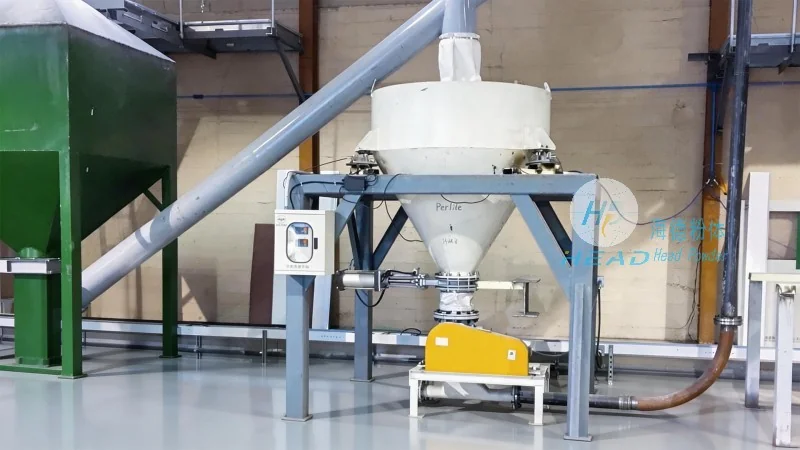
Applications and Benefits in Industrial Settings
The automatic weighing and feeding material conveying line finds widespread application across various industrial sectors, where precise material handling is critical to product quality and process efficiency. In the food and beverage industry, for example, such systems are used to accurately measure and feed ingredients like flour, sugar, or spices into mixing and processing equipment, ensuring consistent product composition and flavor. In the pharmaceutical industry, the system is essential for handling raw materials and active pharmaceutical ingredients (APIs) with high precision, as even minor variations in dosage can impact product efficacy and safety. Similarly, in the chemical and petrochemical industries, the line is used to feed bulk materials like powders, granules, or liquids into reactors and processing units, maintaining consistent chemical reactions and product specifications. The benefits of implementing this system extend beyond mere efficiency gains; it also enhances product quality by reducing variability in material input, improves safety by minimizing manual handling of heavy or hazardous materials, and reduces operational costs through optimized material usage and reduced downtime. Additionally, the automated nature of the system allows for consistent performance over extended periods, contributing to overall operational reliability and reduced maintenance requirements.
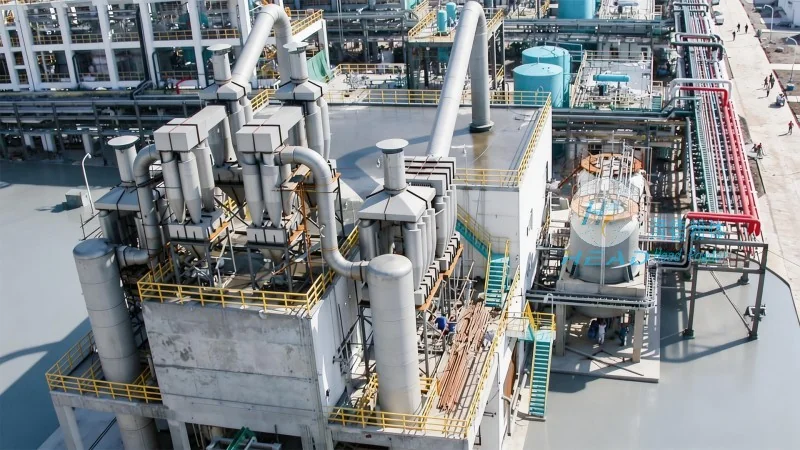
Customization and Scalability for Diverse Needs
One of the significant advantages of the automatic weighing and feeding material conveying line is its adaptability to diverse industrial needs. Manufacturers can customize the system to meet specific production requirements by selecting different components and configurations. For instance, the feeding mechanism can be tailored to handle materials with varying physical properties, such as sticky or abrasive powders, by choosing appropriate auger designs or conveyor types. The weighing unit can be scaled to accommodate different load capacities, from small batches for laboratory-scale production to large-scale industrial operations. The control system can also be programmed to integrate with existing production lines or automation systems, ensuring seamless operation and data integration. This flexibility allows companies to invest in a system that aligns with their current and future production needs, providing a long-term solution that grows with their business. Furthermore, the modular design of the line enables easy upgrades or modifications as production requirements evolve, such as adding additional feeding stations or expanding the conveying capacity. This adaptability makes the automatic weighing and feeding material conveying line a versatile and future-proof investment for industrial operations.
Conclusion and Company Overview
In conclusion, the automatic weighing and feeding material conveying line is a sophisticated industrial solution that combines advanced weighing technology with automated material transport to enhance operational efficiency and precision. Its design principles focus on integration, modularity, and safety, enabling it to meet the diverse needs of various industrial sectors. The system offers significant benefits, including improved product quality, enhanced safety, and reduced operational costs, making it a valuable asset for modern industrial operations. For companies seeking to optimize their material handling processes, investing in such a system can lead to substantial improvements in productivity and competitiveness. As a leading provider in this field, Shandong HeadPowder Engineering Co., Ltd. specializes in designing and manufacturing high-quality automatic weighing and feeding material conveying lines tailored to meet the specific needs of industrial clients. With a commitment to precision, reliability, and customer satisfaction, the company offers customized solutions that enhance operational efficiency and support long-term business growth. HeadPowder's expertise in engineering and manufacturing ensures that each system is built to meet the highest standards of performance and durability, providing clients with a reliable partner for their material handling needs. Based in Shandong, China, the company leverages its local resources and industry expertise to deliver innovative solutions that drive industrial progress and efficiency. Whether for new installations or system upgrades, HeadPowder's automatic weighing and feeding material conveying lines are designed to meet the evolving demands of modern industrial production, ensuring consistent performance and optimal results.