

What is a Continuous Quantitative Material Conveying Line? What Are Its Design Principles?
Continuous quantitative material conveying lines represent sophisticated industrial systems engineered to transport bulk materials in a continuous flow while maintaining precise and measurable quantities. These systems are integral to modern manufacturing and processing operations across diverse sectors, including pharmaceuticals, food and beverage, chemicals, and mining. The primary objective of such lines is to enhance operational efficiency by automating material handling, reducing manual intervention, and ensuring consistent product quality. By integrating advanced control technologies and specialized components, these systems enable industries to achieve reliable, high-throughput material transport that aligns with stringent process requirements.
Core Components and Functionality
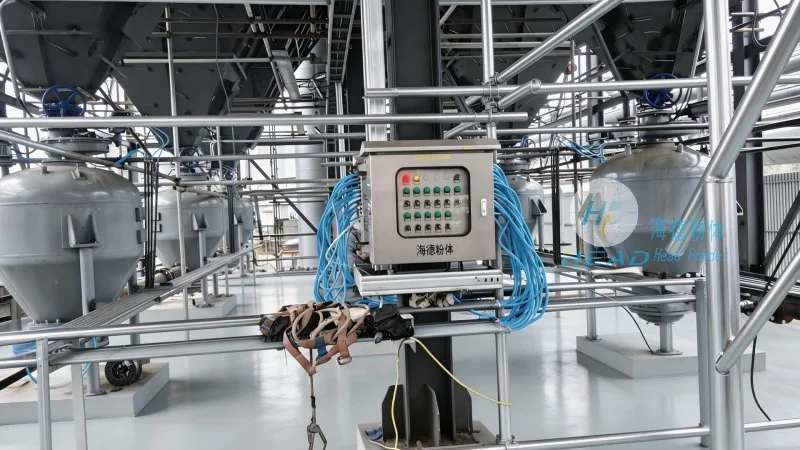
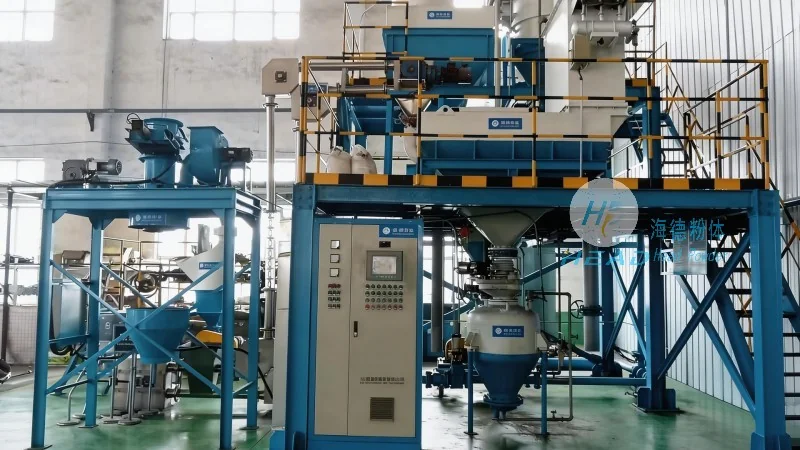
A typical continuous quantitative material conveying line comprises several interdependent components that work in concert to achieve its operational goals. The system begins with a feeder, which is responsible for receiving and preparing the material for transport. This component ensures a steady and uniform supply to the conveyor, often using mechanisms like vibratory feeders or rotary valves to handle materials with varying flow characteristics. The conveyor itself is the backbone of the system, responsible for transporting the material through the process. Common conveyor types include belt conveyors, screw conveyors, and pneumatic systems, each selected based on the material's physical properties and the required conveying distance. The metering device, a critical element for quantitative control, measures the flow rate or volume of material being conveyed, allowing for precise adjustment and regulation. This component may include sensors, flow meters, or variable-speed drives to maintain the desired output. Finally, control systems integrate all components, using automation technology and real-time monitoring to adjust the feeder, conveyor, and metering device in response to process changes. Together, these components enable the line to deliver materials in a continuous, controlled manner, ensuring consistent quality and operational reliability.
Design Principles and Technical Considerations
The design of a continuous quantitative material conveying line is guided by several fundamental principles aimed at optimizing performance, reliability, and efficiency. One of the key design principles is the need for consistent material flow, which requires careful consideration of the material's physical properties, such as particle size, density, and flowability. For example, cohesive or sticky materials may necessitate specialized feeding mechanisms, like vibratory feeders or rotary valves, to prevent blockages and ensure smooth transport. The conveyor system must be selected based on the material's characteristics and the required conveying distance, with options including belt conveyors for light to medium loads, screw conveyors for granular materials, and pneumatic conveyors for fine powders or dust. Another critical consideration is the metering device's accuracy and responsiveness. High-precision sensors and control algorithms are essential to maintain the desired flow rate, especially in applications where exact material quantities are critical, such as in pharmaceutical manufacturing or food processing. Additionally, the design must account for factors like space constraints, environmental conditions, and maintenance requirements, ensuring the system is both effective and practical for the intended use. Engineers also consider factors like energy efficiency, material compatibility, and safety standards, incorporating features like explosion-proof designs or corrosion-resistant materials to meet industry regulations.
Applications and Industry Use Cases
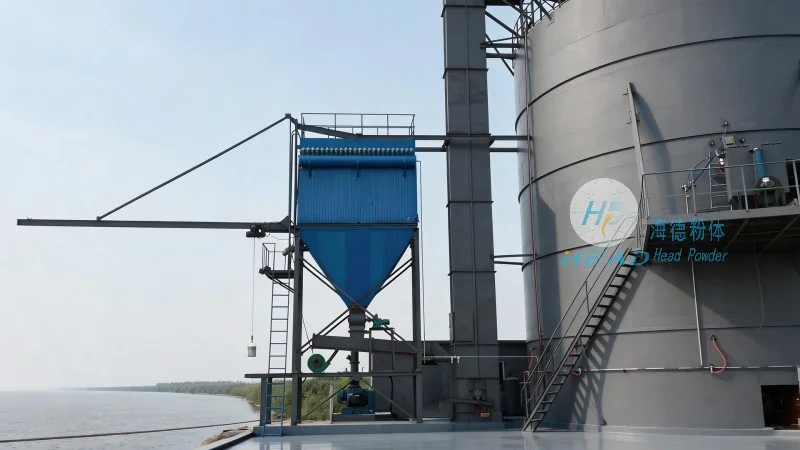
Continuous quantitative material conveying lines find wide applications across multiple industries, where the accurate and efficient handling of bulk materials is paramount. In the pharmaceutical industry, these systems are used to transport raw materials and finished products, ensuring precise dosing and consistent quality control. The pharmaceutical sector demands strict adherence to regulatory standards, making the reliability and accuracy of the conveying line crucial for maintaining product integrity and compliance. In the food and beverage industry, similar systems are employed for processing ingredients, packaging materials, and finished products, where hygiene and contamination control are critical. The food industry often requires conveyor systems that are easy to clean and maintain, with materials like stainless steel used to prevent corrosion and bacterial growth. The chemical industry also utilizes these lines for transporting various chemicals, powders, and granules, where safety and material compatibility are key considerations. The chemical sector may require explosion-proof designs or specialized materials to handle hazardous substances. Additionally, in the mining and minerals processing industry, continuous quantitative conveying lines are used to transport raw ores and processed materials, improving operational efficiency and reducing labor costs. These applications highlight the versatility and importance of such systems in modern industrial operations, demonstrating their role in enhancing productivity and meeting the evolving demands of various sectors.
Company Overview and Expertise
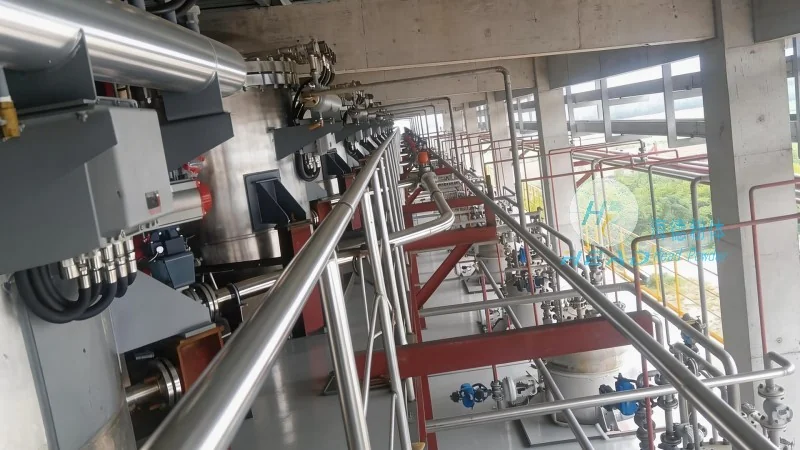
Shandong HeadPowder Engineering Co., Ltd., commonly known as HeadPowder, is a leading provider of advanced material handling solutions, including continuous quantitative material conveying lines. With a strong commitment to innovation and quality, HeadPowder specializes in designing, manufacturing, and implementing customized systems tailored to the unique needs of various industries. The company's expertise lies in understanding the diverse requirements of different sectors, from pharmaceuticals and food processing to chemicals and mining. By leveraging cutting-edge technology and rigorous engineering standards, HeadPowder ensures that its conveying lines are not only efficient and reliable but also compliant with industry regulations and standards. The company's team of experienced engineers and technicians works closely with clients to develop solutions that optimize material flow, reduce downtime, and enhance overall productivity. HeadPowder's dedication to customer satisfaction and technical excellence has established it as a trusted partner in the material handling industry, providing comprehensive support from initial design and installation to ongoing maintenance and service. With a focus on precision, reliability, and innovation, HeadPowder continues to deliver high-quality solutions that meet the evolving demands of modern industrial applications.