

What is a Paper Chip Material Conveying Line? And What Are Its Design Principles?
HeadPowder, a leading manufacturer based in Shandong, China, specializes in providing efficient and reliable solutions for material handling, particularly in the processing of paper chips. A paper chip material conveying line is a sophisticated system designed to transport paper chips from one location to another within a manufacturing or processing facility. These lines are crucial for optimizing workflow, enhancing productivity, and ensuring the smooth operation of paper processing operations. The system typically integrates various components, including feeders, conveyors, and control mechanisms, to achieve seamless material movement from the input point to the output point.
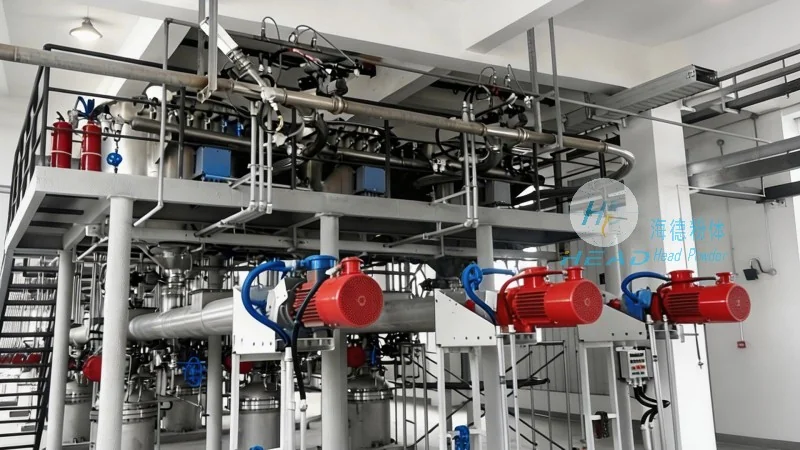
The primary function of a paper chip conveying line is to move paper chips through the processing stages with minimal interruption. This is achieved by carefully designing the layout and components of the system to match the specific requirements of the paper processing plant. For instance, in a paper mill, the conveying line may transport chips from the pulping stage to the screening and cleaning units, or from the drying stage to the reeling or packaging equipment. The design of the line must consider the size and moisture content of the chips, as these factors influence the type of conveyor and the speed at which the material is transported.
Feeders are the first component in a paper chip conveying line. They are responsible for collecting the paper chips and feeding them into the conveyor system. There are various types of feeders, such as belt feeders, screw feeders, or vibratory feeders, each suitable for different chip characteristics and processing conditions. The feeder must be designed to handle the volume of chips efficiently and to prevent overloading or underfeeding, which can lead to uneven material flow and potential system issues.
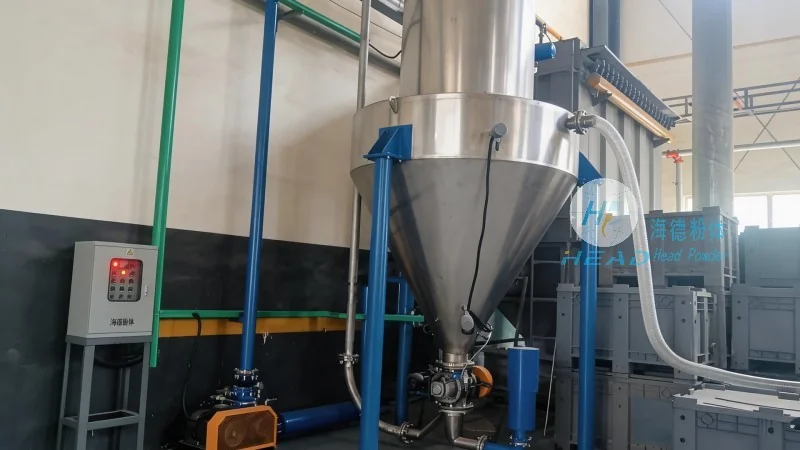
Conveyors are the core of the paper chip conveying line, responsible for transporting the chips along the desired path. There are several types of conveyors used in these systems, including belt conveyors, screw conveyors, and pneumatic conveyors. Belt conveyors are commonly used for horizontal or slightly inclined transport due to their ability to handle a wide range of chip sizes and moisture levels. Screw conveyors, also known as auger conveyors, are ideal for vertical or inclined transport and can handle dry or wet chips. Pneumatic conveyors, or air slides, use air pressure to move chips, which is particularly useful for fine or dusty chips that might clog other types of conveyors.
The selection of the conveyor type depends on several factors, including the chip characteristics, the required transport distance, and the available space. For example, a long horizontal transport may be best suited with a belt conveyor, while a vertical lift may require a screw conveyor. The design of the conveyor system must also consider the need for cleaning and maintenance, as regular maintenance is essential to ensure the system operates efficiently and without downtime.
Control systems are integral to the operation of a paper chip conveying line. They monitor and regulate the flow of material through the system, ensuring that the chips are transported at the correct speed and in the correct quantity. Modern control systems often use programmable logic controllers (PLCs) and human-machine interfaces (HMIs) to provide real-time monitoring and control. The control system can adjust the speed of the conveyor, the feed rate from the feeder, and other parameters to maintain optimal performance. This automation helps to reduce the need for manual intervention and ensures consistent operation.
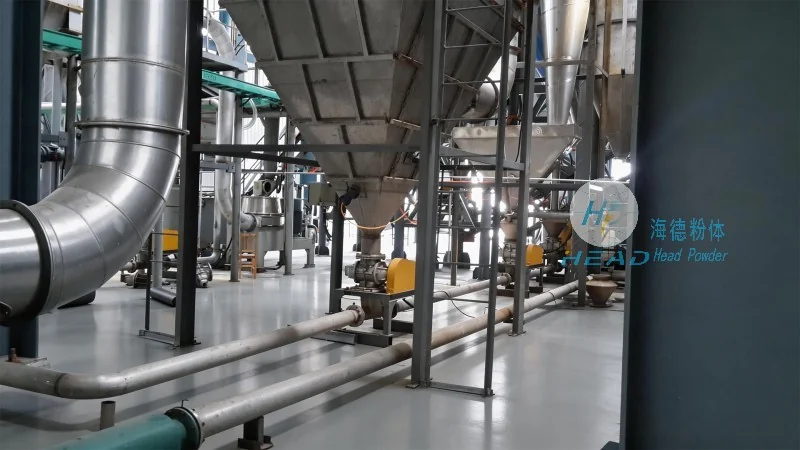
Energy efficiency is a key consideration in the design of paper chip conveying lines. Manufacturers are increasingly focusing on reducing energy consumption while maintaining high throughput. This is achieved through the use of efficient motors, variable speed drives, and optimized conveyor designs. For example, variable speed drives allow the conveyor speed to be adjusted based on the load, reducing energy use when the system is not operating at full capacity. Additionally, the use of energy-efficient lighting and insulation in the system can further reduce overall energy costs.
Safety is another critical design principle in the construction of paper chip conveying lines. The system must be designed to prevent accidents and ensure the safety of operators and maintenance personnel. This includes features such as emergency stop buttons, safety guards on moving parts, and proper ventilation to prevent dust accumulation. Compliance with safety standards and regulations is essential to ensure that the system operates in a safe and legal manner. Regular safety inspections and maintenance are also necessary to identify and address any potential hazards.