

What is a Sanding Powder Material Conveying Line? And What Are Its Design Principles?
The sanding powder material conveying line is a specialized industrial system designed to transport sanding powders, which are crucial in surface finishing processes across various industries. These lines are essential for ensuring efficient material handling, consistent quality control, and safe operation in manufacturing environments. As a key component in the sanding and polishing processes, understanding the design principles and operational mechanisms of such lines is vital for optimizing production workflows.
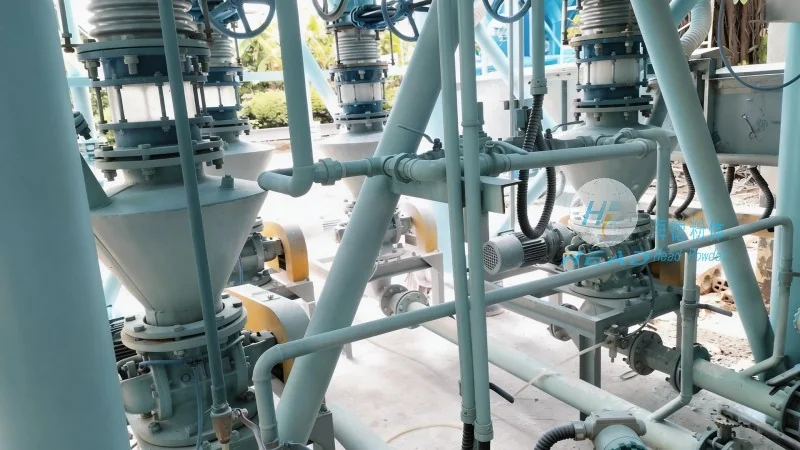
About Shandong HeadPowder Engineering Co., Ltd.
HeadPowder, or Shandong HeadPowder Engineering Co., Ltd., is a leading manufacturer specializing in the design, development, and supply of industrial conveying systems. With a strong focus on precision engineering and customer-centric solutions, the company has established itself as a trusted partner in the material handling sector. HeadPowder's expertise lies in creating customized conveying lines tailored to the specific needs of clients, ensuring reliability, efficiency, and durability in demanding industrial applications. The company's operations are based in Shandong, China, where it leverages advanced technology and skilled workforce to deliver high-quality products.
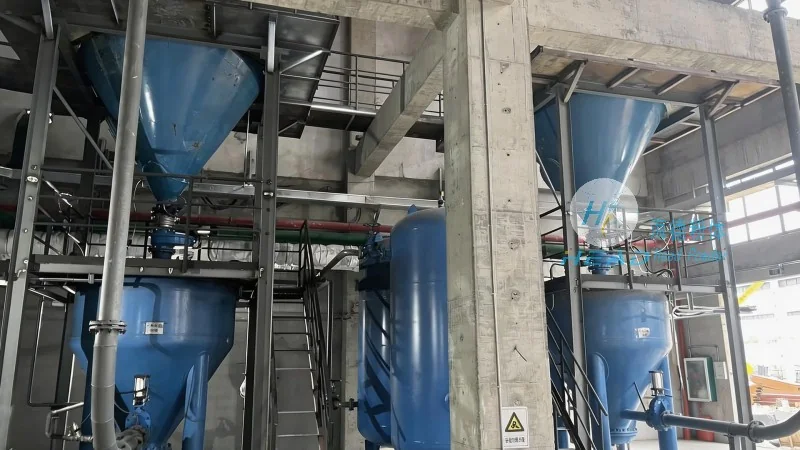
Key Components of the Sanding Powder Material Conveying Line
The sanding powder material conveying line typically consists of several core components that work in tandem to ensure smooth material transport. These components include: conveying mechanisms, such as screw conveyors or pneumatic systems, which are selected based on the material's properties and the required throughput. Storage and feeding systems are also integral, often featuring hoppers or silos to store the sanding powder and regulate the flow into the conveyor. Control systems are integrated to monitor and adjust the conveying speed, pressure, and other parameters, ensuring optimal performance. Additionally, material handling accessories like chutes, gates, and filters may be included to prevent blockages and maintain cleanliness.
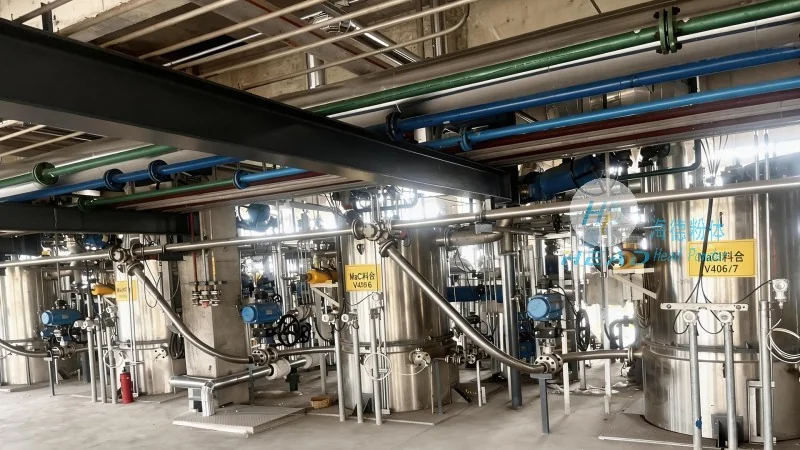
Design Principles and Operational Mechanisms
The design of a sanding powder material conveying line is guided by several key principles aimed at maximizing efficiency and safety. One of the primary principles is material compatibility, where the system is engineered to handle the specific characteristics of sanding powders, such as particle size, moisture content, and abrasiveness. This involves selecting appropriate materials for the conveyor components, such as stainless steel or corrosion-resistant alloys, to prevent degradation and ensure longevity. Another critical principle is airtightness and dust control, as sanding powders are often fine and can generate dust, which poses health and safety risks. The conveying line is designed with sealed enclosures and filtration systems to minimize dust emissions and maintain a clean working environment. Furthermore, energy efficiency is a key consideration, with the system optimized to use minimal power while maintaining high throughput. This is achieved through efficient motor selection, variable speed drives, and optimized conveyor designs that reduce energy consumption without compromising performance.
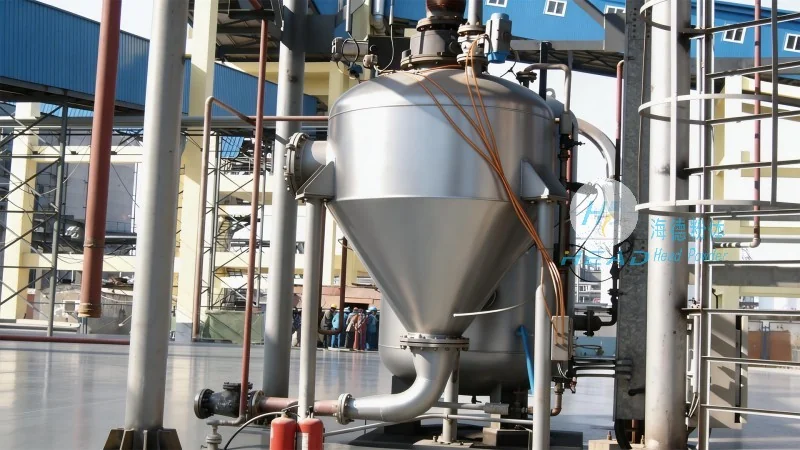
How the Conveying Line Operates
The operation of a sanding powder material conveying line involves a series of coordinated steps to transport the material from the storage area to the processing equipment. The process typically begins with the sanding powder being fed into the hopper or silo. From there, the material is transferred to the conveying mechanism, which may use either mechanical or pneumatic force to move the powder. In a screw conveyor system, for example, a rotating screw pushes the powder forward through a tube, while in a pneumatic system, compressed air propels the material through a pipeline. The conveying speed is controlled by the system's control panel, which adjusts the motor speed or air pressure to maintain a consistent flow rate. As the powder moves through the line, it may pass through additional components, such as filters or separators, to remove impurities or adjust the particle size distribution. The final output of the conveying line is the sanding powder delivered to the polishing or sanding equipment, where it is used for surface finishing tasks. The entire process is monitored by sensors and alarms, which alert operators to any issues, such as blockages or pressure changes, ensuring immediate intervention and preventing downtime.