

What is a Calcined Sand Material Conveying Line? And What Are Its Design Principles?
A calcined sand material conveying line is a specialized industrial system engineered to transport calcined sand, a crucial raw material in various manufacturing processes. This line integrates multiple components, including feeders, conveyors, and control systems, to ensure efficient and reliable material handling. The design principles of such a line are centered on optimizing material flow, minimizing energy consumption, and maintaining product quality throughout the conveying process.
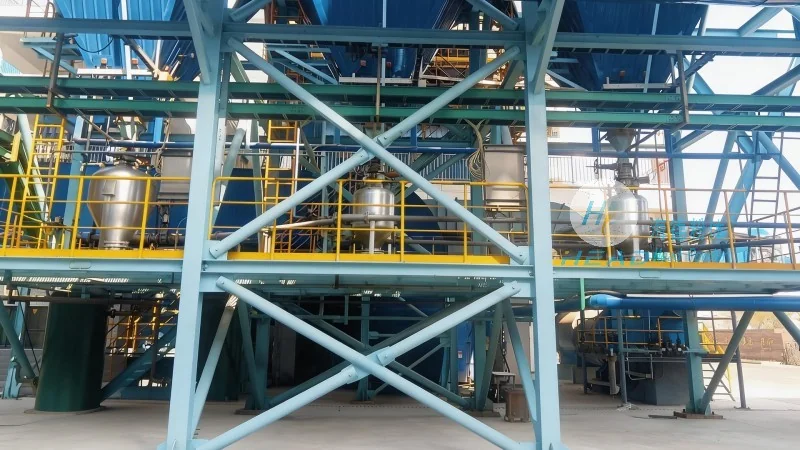
For industries like glass manufacturing, foundries, and refractory production, the calcined sand conveying line plays a pivotal role in supply chain efficiency. The system must handle the unique properties of calcined sand—such as its fine particle size, abrasive nature, and potential moisture content—while preventing material degradation or loss. This requires careful consideration of equipment selection, such as belt conveyors, screw conveyors, or pneumatic systems, each tailored to the specific characteristics of the material and the operational requirements of the facility.
Key Design Principles for Calcined Sand Conveying Systems
The design of a calcined sand material conveying line is guided by several fundamental principles to ensure optimal performance. First, the system must prioritize material flow continuity and uniformity. This involves selecting appropriate conveyor types and speeds to maintain a steady feed rate, avoiding bottlenecks or overloading that could lead to material degradation. Second, the design emphasizes energy efficiency, as calcined sand is often transported over long distances or in high-volume operations. Energy-saving features, such as variable speed drives and optimized belt tension, are integrated to reduce operational costs.
Third, the system must address the abrasive nature of calcined sand, which can cause wear on conveyor components. To mitigate this, materials like stainless steel, high-grade rubber, or special coatings are used for conveyor belts and idlers. Additionally, the design incorporates features like dust suppression and filtration to maintain air quality and prevent dust accumulation, which is critical for both worker safety and equipment longevity.
Components and Functionality of the Conveying Line
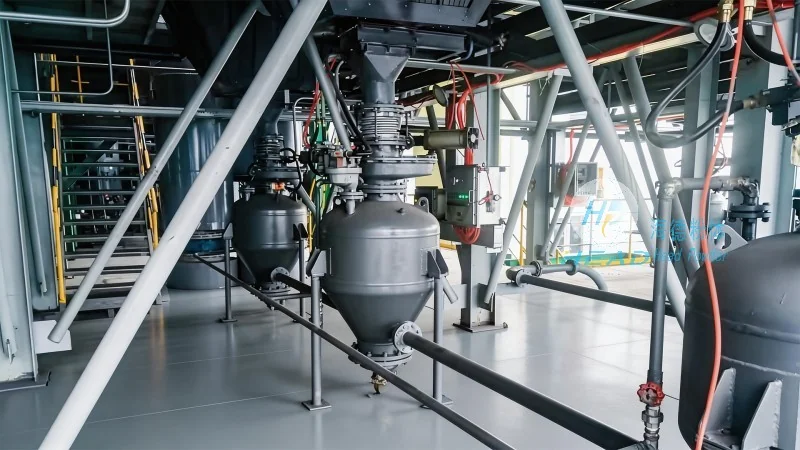
A typical calcined sand material conveying line consists of several interconnected components, each with a specific function. The feed section, often equipped with a hopper and a feeder (e.g., a rotary valve or vibratory feeder), ensures a consistent material supply to the conveyor. The conveyor itself—whether a belt, screw, or pneumatic system—transports the sand from the feed point to the discharge point. Control systems, including sensors and programmable logic controllers (PLCs), monitor and regulate the flow, speed, and pressure to maintain optimal operation.
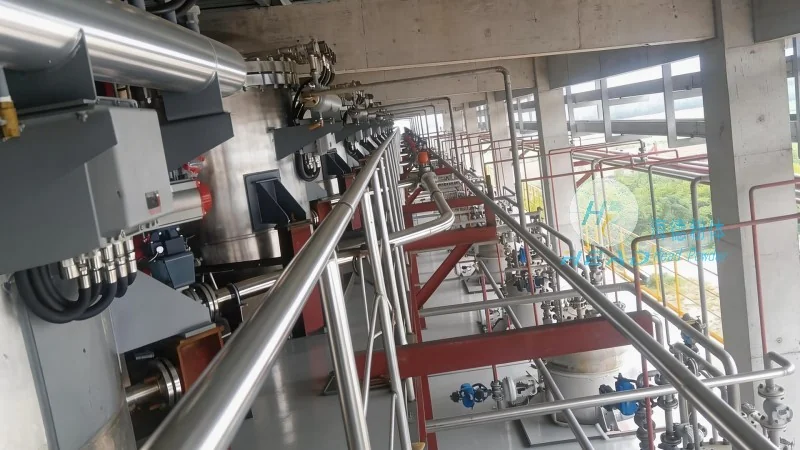
The discharge section may include a silo or storage tank to hold the transported material, with additional equipment like a discharge valve or conveyor for further processing. The entire system is designed to be modular and scalable, allowing for adjustments based on changing production demands or facility expansions. This flexibility is essential for industries that experience fluctuations in material volume or processing requirements.
HeadPowder: Expert in Calcined Sand Conveying Solutions
Shandong HeadPowder Engineering Co., Ltd., a leading provider of industrial conveying solutions, specializes in designing and manufacturing calcined sand material conveying lines tailored to the unique needs of its clients. With years of experience in the field, HeadPowder leverages advanced engineering and material science to develop systems that meet the highest standards of efficiency, reliability, and durability.
HeadPowder’s approach to calcined sand conveying involves a comprehensive understanding of the material’s properties and the client’s operational context. The company’s engineers work closely with clients to assess their specific requirements, including material flow rates, distance, and environmental considerations. This collaborative process ensures that the final design is not only technically sound but also cost-effective and easy to maintain.
HeadPowder’s conveying lines are built with high-quality components, sourced from reputable manufacturers, and rigorously tested to ensure compliance with industry standards. The company offers a range of customization options, from standard configurations to fully integrated systems that include storage, processing, and control modules. This flexibility allows clients to choose a solution that aligns with their budget and operational goals.
Benefits of Using a Calcined Sand Material Conveying Line
Implementing a calcined sand material conveying line offers numerous benefits for industrial operations. First, it enhances productivity by streamlining material handling, reducing downtime, and improving throughput. The consistent flow of material ensures that downstream processes, such as mixing or molding, can operate at optimal efficiency, minimizing delays and waste.
Second, the system improves safety by eliminating manual handling of abrasive materials, reducing the risk of injuries and exposure to dust. Automated control systems also minimize human error, ensuring that the conveying process operates within safe parameters. Additionally, the design of the line, including dust suppression and filtration, contributes to a healthier work environment and compliance with environmental regulations.
Third, the energy-efficient design of modern conveying lines reduces operational costs over time. By optimizing energy consumption and minimizing equipment wear, clients can achieve significant savings on electricity and maintenance expenses. The long service life of well-designed systems further enhances the return on investment, making the calcined sand conveying line a cost-effective solution for long-term operations.
Conclusion: The Importance of a Well-Designed Conveying Line
In conclusion, a calcined sand material conveying line is a critical component of industrial operations, particularly in sectors that rely on calcined sand as a raw material. The design principles, components, and functionality of such a line are carefully tailored to address the unique challenges of handling this material, ensuring efficient, safe, and cost-effective operation. Companies like Shandong HeadPowder Engineering Co., Ltd. play a vital role in providing these specialized solutions, helping clients achieve their production goals while maintaining high standards of quality and safety.