

What is a Maltose Material Conveying Line? And What Are Its Design Principles?
For industrial operations involving maltose, the design and functionality of a maltose material conveying line are critical to ensuring efficient processing and product quality. This article explores the concept of a maltose material conveying line and delves into the core design principles that underpin its operation.
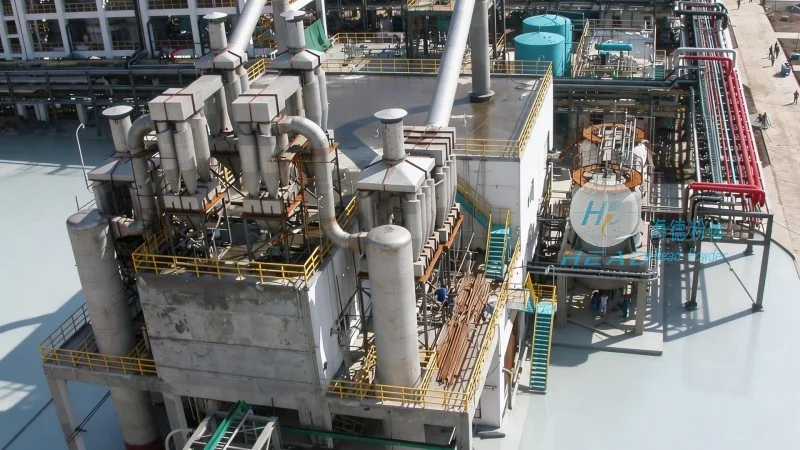
Understanding the Maltose Material Conveying Line
A maltose material conveying line is a specialized system engineered to transport maltose, a disaccharide sugar commonly used in food, beverage, and pharmaceutical industries. The system integrates various components such as feeders, conveyors, and control mechanisms to move maltose from storage or processing areas to the next stage of production. The design of this line is tailored to handle the physical properties of maltose, including its granular or powdered form, ensuring minimal degradation and consistent flow.
Key Design Principles of the Maltose Conveying Line
The design of a maltose material conveying line is guided by several key principles aimed at optimizing performance, maintaining product integrity, and ensuring operational reliability. These principles include:
1. Material Handling Efficiency: The system is designed to handle maltose with minimal friction and impact, which is crucial for preserving the product's quality. Components like screw conveyors or pneumatic systems are often used to minimize product degradation during transport. The design considers the flow characteristics of maltose, such as its bulk density and angle of repose, to ensure smooth and consistent movement.
2. Sanitary and Hygienic Standards: Given that maltose is used in food and pharmaceutical applications, the conveying line must adhere to strict sanitary standards. Materials used in the construction of the system, such as stainless steel, are chosen for their corrosion resistance and ease of cleaning. The design incorporates features like smooth surfaces, minimal dead zones, and easy-to-disassemble components to facilitate thorough cleaning and prevent contamination.
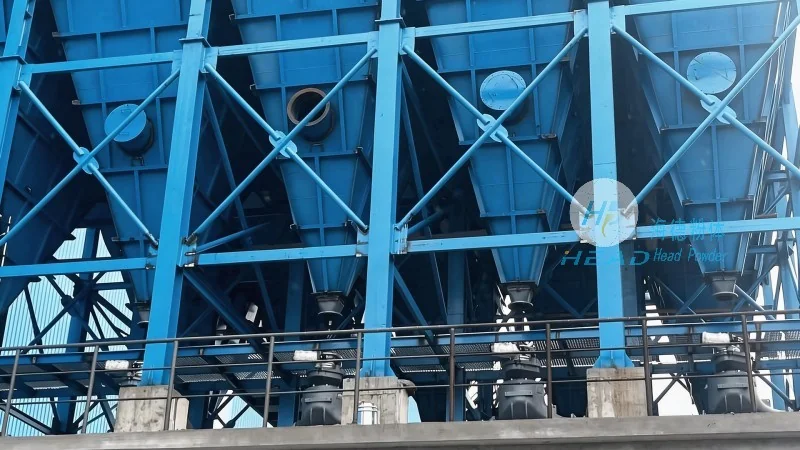
3. Control and Automation: Modern maltose material conveying lines often incorporate advanced control systems to monitor and regulate the flow of material. Sensors and controllers are used to detect the level of maltose in hoppers, adjust conveyor speeds, and prevent overfilling or underfilling. This automation enhances operational efficiency and reduces the risk of human error, ensuring consistent performance and product quality.
4. Energy Efficiency: The design of the conveying line also focuses on minimizing energy consumption. This is achieved through the selection of efficient motor drives, optimized conveyor speeds, and the use of energy-saving components. The system is engineered to operate with minimal power input while maintaining the required throughput, contributing to cost savings and environmental sustainability.
Components of a Typical Maltose Conveying Line
A typical maltose material conveying line consists of several interconnected components, each playing a vital role in the overall operation. These components include:
1. Feed Hopper: The feed hopper is the initial component where maltose is stored before being conveyed. It is designed to hold a sufficient quantity of material to ensure continuous operation and to provide a controlled feed to the conveyor system. The hopper may include a level indicator to monitor the material level and a discharge valve to regulate the flow.
2. Feeder: The feeder is responsible for uniformly distributing the maltose from the hopper to the conveyor. Common types of feeders include screw feeders or vibratory feeders, which ensure a consistent flow rate. The feeder is designed to prevent bridging or caking of the maltose, which can occur due to its granular nature.
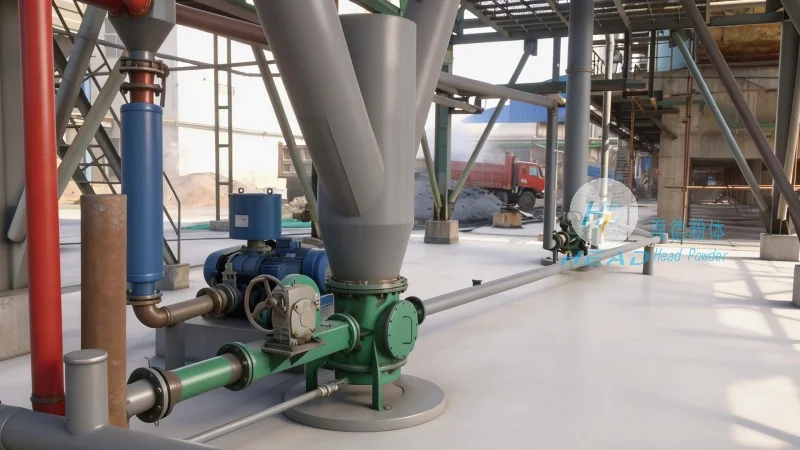
3. Conveyor System: The conveyor system is the core of the conveying line, responsible for transporting the maltose from the feeder to the next processing stage. Screw conveyors are commonly used for maltose due to their ability to handle dry, free-flowing materials. The screw design, including the pitch and diameter, is optimized to match the flow characteristics of maltose and to minimize pressure drop and material degradation.
4. Control Panel: The control panel houses the electrical and electronic components that manage the operation of the conveying line. It includes the motor controls, sensors, and monitoring devices. The control panel allows operators to start, stop, and adjust the speed of the conveyor, as well as to monitor the system's performance and detect any abnormalities.
Applications and Benefits of Maltose Conveying Lines
Maltose material conveying lines are widely used in various industries where maltose is a key ingredient. These applications include the food and beverage industry for producing maltose-based products, the pharmaceutical industry for manufacturing maltose-based medications, and the chemical industry for research and development purposes. The benefits of using a well-designed maltose conveying line include improved operational efficiency, enhanced product quality, reduced labor costs, and increased safety in the workplace.
Conclusion
In conclusion, a maltose material conveying line is a sophisticated system designed to efficiently transport maltose while maintaining its quality and integrity. The design principles, components, and applications of this line are tailored to meet the specific requirements of industrial operations. By adhering to principles such as material handling efficiency, sanitary standards, automation, and energy efficiency, the conveying line ensures reliable and consistent performance. As a result, it plays a crucial role in the production processes of various industries, contributing to the overall success of maltose-based products.