

What is an Iron Oxide Material Handling System? What are its Design Principles?
Iron oxide material handling systems are specialized industrial solutions designed to manage the storage, transport, and processing of iron oxide powders and bulk materials. These systems are critical in various industries, including chemical manufacturing, mining, and pharmaceuticals, where the efficient handling of iron oxide compounds is essential for maintaining production efficiency and product quality. The design of such systems involves a combination of engineering principles, material science knowledge, and operational requirements tailored to the specific characteristics of iron oxide materials, which often include high density, abrasive properties, and potential dust generation.
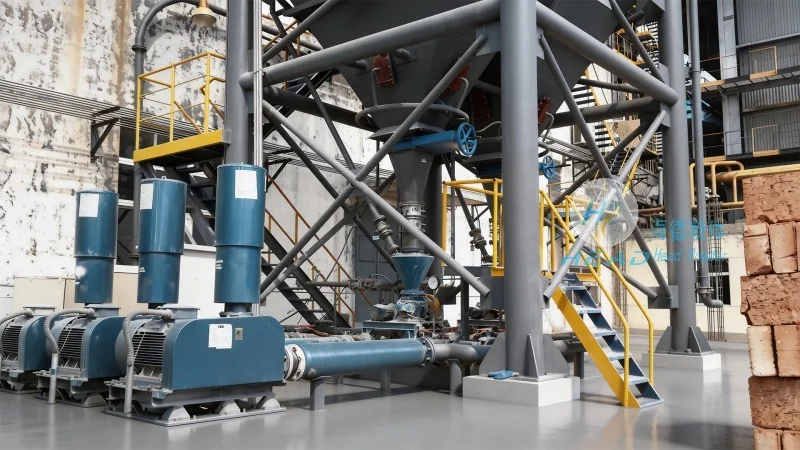
Core Components of the Iron Oxide Material Handling System
The typical iron oxide material handling system comprises several key components that work in tandem to ensure smooth material flow. The primary components include bulk material storage silos or hoppers, which are designed to hold large quantities of iron oxide while minimizing material degradation. Feeding mechanisms, such as rotary valves or screw conveyors, are used to control the discharge of material from the storage silos to downstream processing equipment. Conveying systems, which may include belt conveyors, pneumatic conveying lines, or bucket elevators, are employed to transport iron oxide from one location to another within the facility. Additionally, the system may incorporate dust control equipment, such as baghouse filters or cyclone separators, to manage airborne particles and ensure a safe working environment. Control systems, often integrated with programmable logic controllers (PLCs), allow for automated operation and monitoring of the entire process, enhancing operational efficiency and reducing human error.
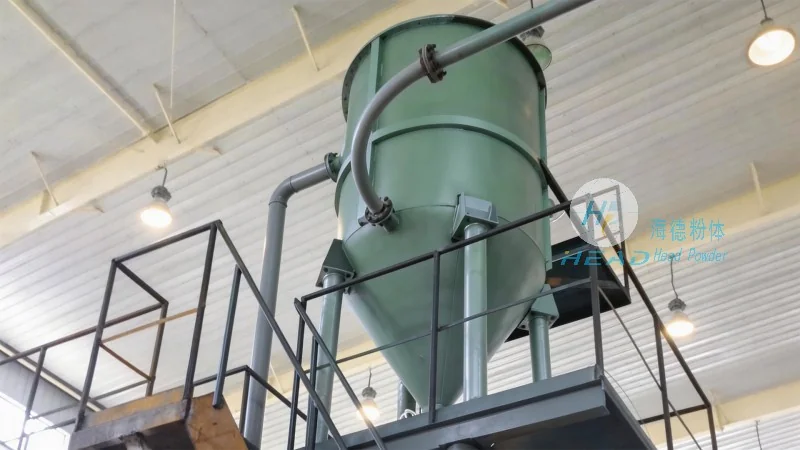
Design Principles and Operational Efficiency
The design of an iron oxide material handling system is guided by several key principles aimed at optimizing performance, safety, and cost-effectiveness. One of the fundamental principles is the minimization of material degradation during handling. Iron oxide powders are susceptible to caking, agglomeration, and attrition, which can affect their flow properties and end-use performance. Therefore, the system design prioritizes gentle material handling, such as using low-friction surfaces and avoiding high-impact impacts. Another critical principle is the optimization of material flow and storage capacity. The system must be designed to accommodate the expected throughput while ensuring that material is stored in a way that prevents bridging or rat-holing, which can lead to blockages and operational disruptions. Energy efficiency is also a key consideration, with designs that incorporate variable speed drives and energy recovery systems to reduce operational costs. Furthermore, safety is paramount, with features like explosion-proof components, dust explosion suppression systems, and emergency shutdown mechanisms integrated into the design to protect personnel and equipment.
Application Scenarios and Industry Integration
Iron oxide material handling systems are widely used across multiple industries due to their versatility and adaptability. In the chemical industry, these systems are commonly employed in the production of pigments, coatings, and inorganic chemicals, where iron oxide is used as a raw material or additive. The mining sector utilizes such systems for the processing of iron ore, where iron oxide is extracted and prepared for further refining. In the pharmaceutical and food industries, specialized systems are designed to handle iron oxide in a clean and controlled environment, ensuring compliance with regulatory standards. The integration of these systems into existing production lines requires careful planning to ensure compatibility with existing equipment and to minimize downtime during installation. Companies often work with engineering firms that specialize in material handling to tailor the system to their specific needs, ensuring that the system meets both operational and safety requirements.
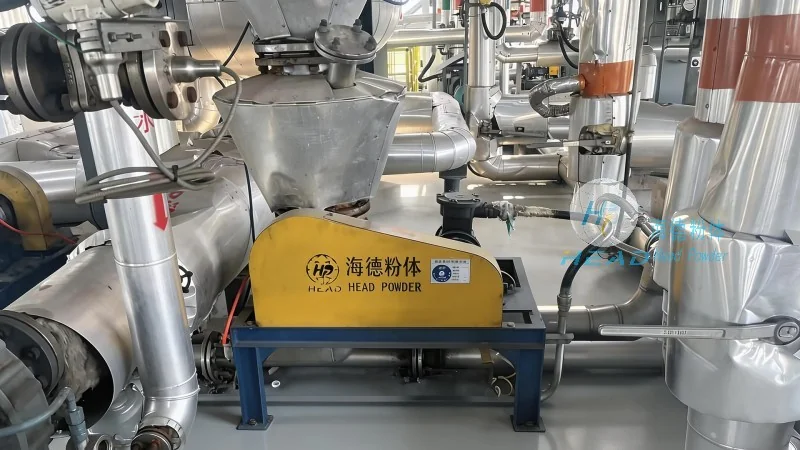
Company Profile: Shandong HeadPowder Engineering Co., Ltd.
Shandong HeadPowder Engineering Co., Ltd. is a leading provider of customized material handling solutions, with a strong focus on iron oxide and other bulk material processing. The company is headquartered in Shandong, China, a region known for its industrial prowess and manufacturing capabilities. HeadPowder specializes in designing, manufacturing, and installing advanced material handling systems that meet the unique demands of various industries. With years of experience in the field, the company has developed a deep understanding of the challenges associated with handling iron oxide materials, including their physical properties and processing requirements. The company's team of engineers and technicians work closely with clients to develop tailored solutions that enhance operational efficiency, reduce costs, and improve safety. HeadPowder's commitment to quality and innovation has earned it a reputation as a trusted partner in the material handling industry, serving clients both domestically and internationally.