

What is a Sulfur Powder Material Handling System Equipment? And What Are Its Design Principles?
For industrial operations dealing with sulfur powder, an efficient and reliable material handling system is crucial. This article explores the concept of a sulfur powder material handling system equipment and delves into the core design principles that ensure optimal performance and safety. By understanding these elements, businesses can make informed decisions about implementing or upgrading their material handling solutions.
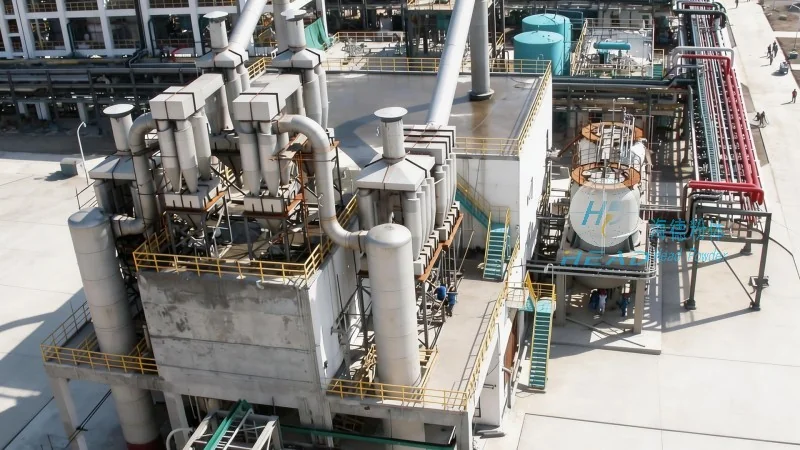
Understanding Sulfur Powder Material Handling Systems
A sulfur powder material handling system equipment is a specialized setup designed to transport, store, and manage sulfur powder in industrial environments. Sulfur powder, a common chemical used in various industries such as fertilizer production, chemical manufacturing, and energy, requires handling with care due to its properties like dustiness and potential reactivity under certain conditions. The system typically includes components like conveyors, hoppers, storage silos, and control mechanisms to ensure smooth material flow from source to destination.
Key Components of a Sulfur Powder Handling System
The effectiveness of a sulfur powder material handling system equipment relies on several key components that work in tandem. These components are engineered to handle the unique characteristics of sulfur powder, ensuring minimal dust generation, proper ventilation, and safe operation. The primary components include:
1. Conveyors: Often, screw conveyors or pneumatic conveying systems are used to transport sulfur powder. Screw conveyors are ideal for horizontal or slight incline transport, providing a continuous and controlled flow. Pneumatic conveying systems, on the other hand, use air pressure to move the powder through pipes, which is particularly useful for long-distance or vertical transport.
2. Hoppers and Storage Silos: These are used to store and feed sulfur powder. Hoppers are designed with smooth, sloped surfaces to prevent material buildup and ensure uniform discharge. Storage silos are typically made of corrosion-resistant materials like stainless steel or lined with protective coatings to withstand the chemical properties of sulfur powder.
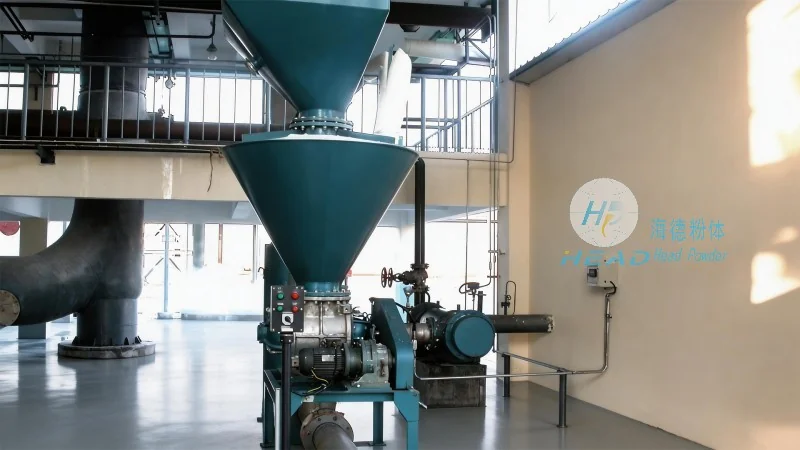
3. Feeding and Metering Equipment: To control the flow rate accurately, systems often include feeders like rotary valves or vibratory feeders. These devices ensure consistent material delivery to downstream processes, preventing overloading or underloading of equipment.
4. Ventilation and Dust Control Systems: Sulfur powder is prone to creating dust, which can pose health hazards and cause equipment damage. Therefore, the system must incorporate effective ventilation and dust collection mechanisms. This includes dust collectors, filters, and exhaust systems that capture and remove airborne particles, maintaining a safe working environment.
Design Principles for Sulfur Powder Handling Systems
The design of a sulfur powder material handling system equipment follows several critical principles to ensure efficiency, safety, and longevity. These principles are tailored to the specific properties of sulfur powder and the operational requirements of the industrial application.
1. Corrosion Resistance: Sulfur powder can be corrosive to certain materials, especially at high temperatures or in the presence of moisture. The design must incorporate corrosion-resistant materials for components that come into direct contact with the powder, such as hoppers, silos, and piping. Stainless steel, lined steel, or specialized polymers are commonly used to prevent degradation and ensure long-term reliability.
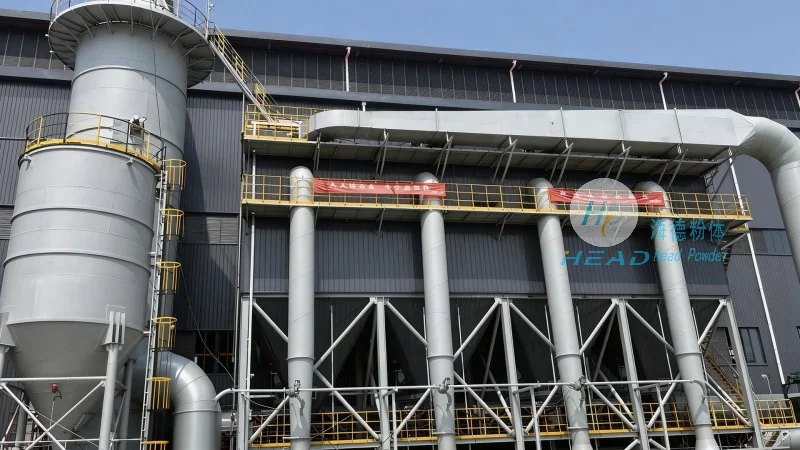
2. Air Tightness and Sealing: To minimize dust leakage and maintain material integrity, the system must be designed with tight seals and air-tight connections. This prevents sulfur powder from escaping into the environment and reduces the risk of contamination in other parts of the facility. Proper sealing of hoppers, silos, and conveyor connections is essential.
3. Controlled Flow and Uniform Discharge: The design emphasizes ensuring a consistent and controlled flow of sulfur powder. This involves using appropriate feeding mechanisms and maintaining proper slope angles in hoppers and silos. Uniform discharge prevents clogging and ensures that downstream equipment receives a steady supply of material, preventing process interruptions.
4. Temperature Management: Sulfur powder can be sensitive to temperature changes, which may affect its flow properties or cause thermal expansion in equipment. The system design includes temperature monitoring and control features to maintain optimal operating temperatures. This may involve insulation, cooling systems, or temperature sensors to prevent overheating or freezing of the material.
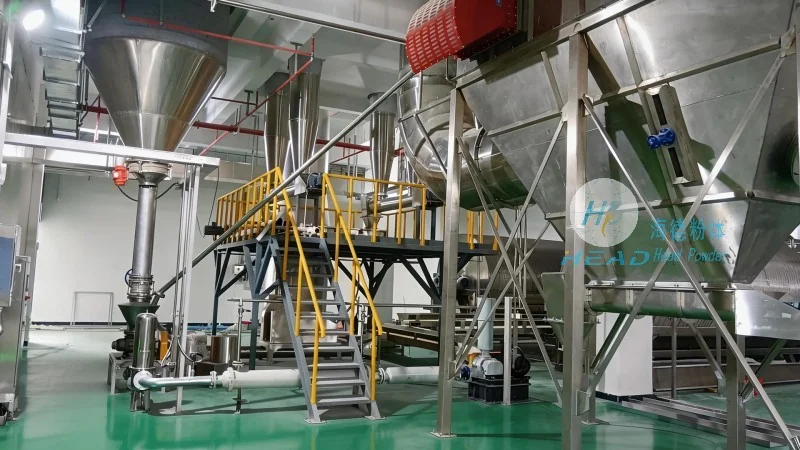
5. Safety and Environmental Compliance: Safety is a top priority in sulfur powder handling systems. The design incorporates safety features such as explosion-proof components, emergency shut-off valves, and fire suppression systems. Additionally, the system must comply with environmental regulations regarding dust emission and waste disposal, ensuring that the operation is environmentally responsible.
Applications and Benefits of Sulfur Powder Handling Systems
Sulfur powder material handling systems equipment are widely used in various industries due to their versatility and efficiency. The primary applications include fertilizer production, where sulfur is used as a nutrient for plants; chemical manufacturing, where sulfur is a key ingredient in producing sulfuric acid and other chemicals; and energy sectors, where sulfur is used in the production of sulfuric acid for power generation.
The benefits of implementing an efficient sulfur powder handling system include improved operational efficiency, reduced downtime due to equipment failures, enhanced safety for workers, and compliance with environmental regulations. By investing in a well-designed system, businesses can achieve cost savings through reduced material waste, lower maintenance costs, and increased productivity.
Conclusion
In conclusion, a sulfur powder material handling system equipment is a critical component for industries dealing with sulfur powder. The design principles, including corrosion resistance, air tightness, controlled flow, temperature management, and safety features, ensure that the system operates efficiently and safely. By understanding these elements and selecting the appropriate system, businesses can optimize their material handling processes and achieve their operational goals. For those seeking reliable solutions, companies like Shandong HeadPowder Engineering Co., Ltd., based in China, offer specialized equipment and expertise to meet the unique needs of sulfur powder handling applications.