

Working Principle and Features of Quick Bulk Material Loading Powder Conveying Systems
Quick bulk material loading powder conveying systems are essential in modern industrial operations, particularly in sectors that handle dry powders and granules. These systems are designed to efficiently transport bulk materials from storage silos or hoppers to processing equipment with minimal downtime and maximum throughput. Understanding the working principle and key features of such systems is crucial for optimizing production processes and ensuring consistent material flow.
Working Principle of Quick Bulk Material Loading Powder Conveying Systems
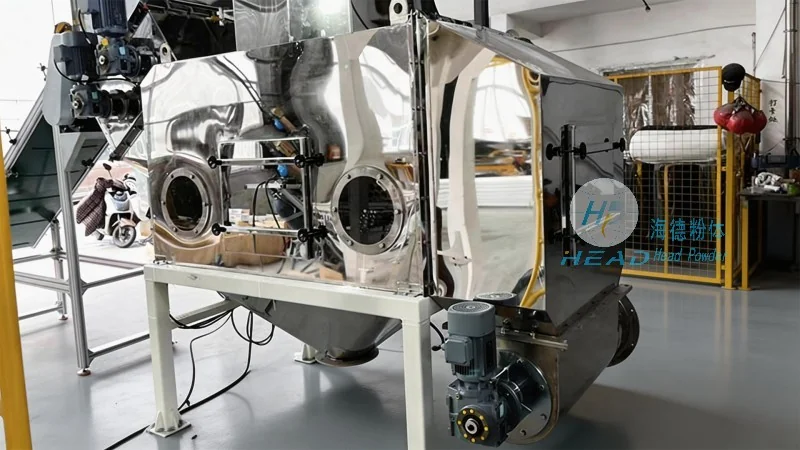
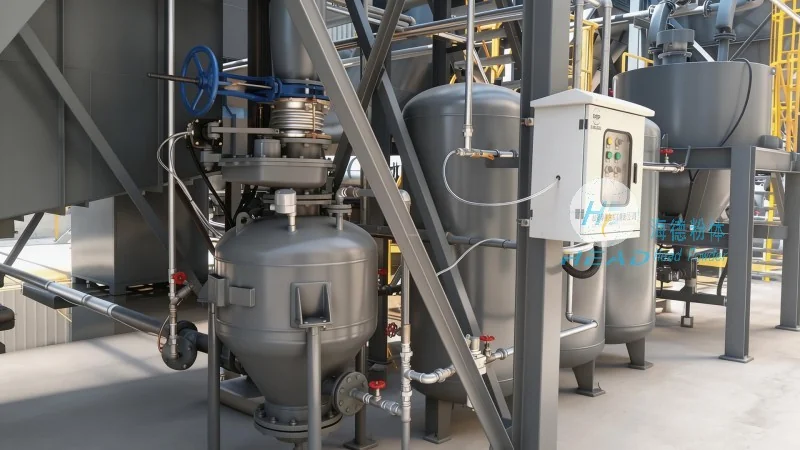
The core working principle of quick bulk material loading powder conveying systems revolves around the use of mechanical or pneumatic mechanisms to move bulk materials. In mechanical systems, components like screw conveyors, belt conveyors, or bucket elevators are employed. For instance, a screw conveyor operates by rotating a helical screw inside a trough, which pushes the material forward. This method is particularly effective for materials that are free-flowing and non-abrasive. Pneumatic systems, on the other hand, utilize compressed air to create a flow of material through a pipeline. The material is typically mixed with air in a hopper and then transported through the pipeline under pressure. This approach is ideal for dusty or fine powders that might be susceptible to clogging in mechanical systems.
HeadPowder Engineering Co., Ltd., a leading manufacturer based in Shandong, China, specializes in designing and manufacturing these conveying systems. Their expertise lies in tailoring the system's design to the specific characteristics of the material being handled, such as particle size, moisture content, and flowability. By analyzing these factors, HeadPowder engineers can select the most appropriate conveying method and components to ensure optimal performance.
Key Features of Quick Bulk Material Loading Powder Conveying Systems
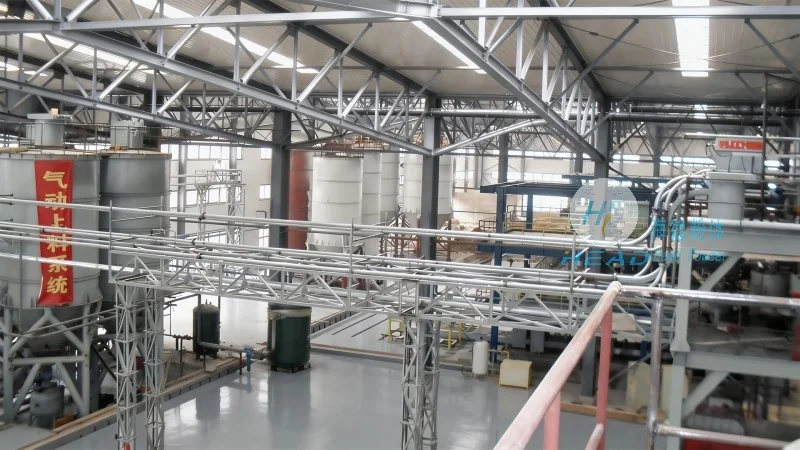
One of the primary features of quick bulk material loading systems is their high efficiency in material transfer. These systems are engineered to minimize the time required to move large quantities of material, thereby reducing production bottlenecks. The speed of operation is often adjustable, allowing operators to match the conveying rate with the processing capacity of downstream equipment. This flexibility is particularly valuable in dynamic production environments where demand fluctuates.
Another significant feature is the reliability and durability of the components. High-quality materials and robust construction are used to withstand the abrasive nature of many powders and the continuous operational stress. For example, the screw or pipeline components are often made from stainless steel or corrosion-resistant alloys to prevent wear and maintain hygiene standards, which is critical in industries like food and pharmaceuticals. Additionally, these systems are equipped with safety features such as overload protection and emergency stop mechanisms to prevent accidents and ensure operational safety.
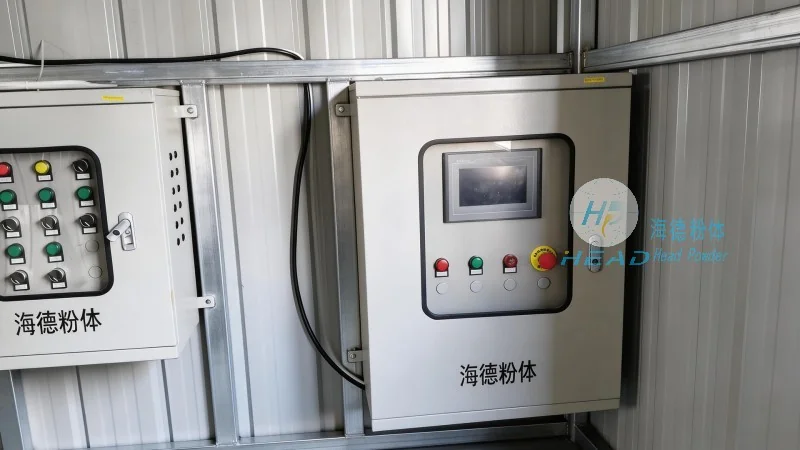
HeadPowder's quick bulk material loading powder conveying systems also emphasize ease of maintenance and cleaning. Many components are designed with easy access for inspection and cleaning, reducing downtime for maintenance. The systems may include features like automatic cleaning cycles or removable sections that simplify the process of removing material residues. This is especially important in industries where product contamination must be strictly controlled.
Applications and Benefits in Industrial Settings
Quick bulk material loading powder conveying systems find widespread application across various industries, including chemical manufacturing, food processing, pharmaceuticals, and mining. In chemical plants, these systems efficiently transport raw materials to reactors, ensuring consistent feed rates and process control. In food processing facilities, they handle ingredients like flour, sugar, and spices, maintaining hygiene and preventing cross-contamination. The pharmaceutical industry relies on these systems to transport active pharmaceutical ingredients (APIs) and excipients with precision, adhering to stringent quality and safety regulations.
The benefits of implementing these systems extend beyond just material handling. By improving the speed and reliability of material transfer, they contribute to overall production efficiency and cost reduction. Reduced downtime due to clogging or mechanical failure translates into higher output and lower operational costs. Furthermore, the ability to handle a wide range of materials with minimal adjustments makes these systems versatile and adaptable to changing production needs.
Conclusion
In summary, quick bulk material loading powder conveying systems are sophisticated solutions that combine advanced engineering with practical design to meet the demands of modern industrial processes. The working principle, which may involve mechanical or pneumatic methods, is tailored to the specific material characteristics, ensuring efficient and reliable operation. Key features such as high efficiency, durability, and ease of maintenance make these systems a valuable investment for industries seeking to optimize their material handling processes. HeadPowder Engineering Co., Ltd., with its headquarters in Shandong, China, continues to lead in the development of such systems, providing customized solutions that enhance productivity and operational excellence.