

Working Principle and Features of Automatic Continuous Powder Transport
Automatic continuous powder conveying systems represent a sophisticated solution for the efficient and reliable transport of bulk powder materials in industrial settings. These systems are designed to handle a wide range of powder types, from fine powders to bulkier granules, ensuring seamless material flow from source to destination. The technology behind such systems is rooted in advanced engineering principles, combining mechanical, pneumatic, and sometimes hydraulic components to achieve continuous operation with minimal downtime.
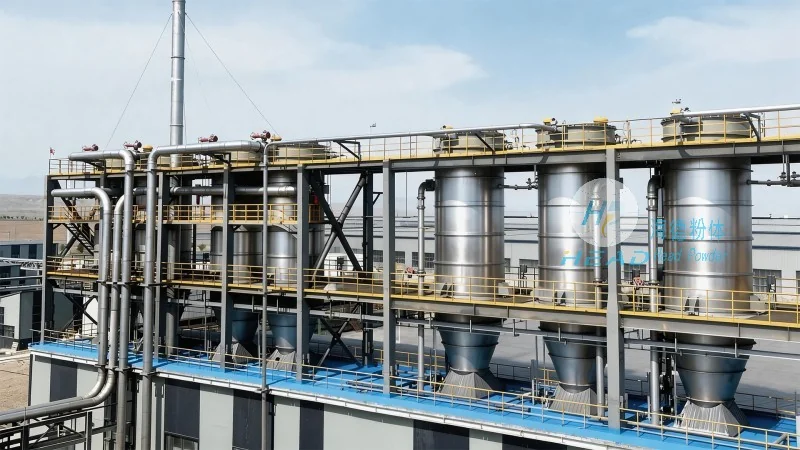
The Working Principle of Automatic Continuous Powder Transport
The core working principle of automatic continuous powder conveying systems involves the use of a closed-loop or open-loop transport mechanism, depending on the specific application requirements. Typically, these systems utilize a combination of positive displacement pumps, rotary valves, or pneumatic conveying lines to move powder material. The process begins with the powder being fed into the system from a hopper or storage silo. From there, the material is transported through a series of pipes or ducts, often under pressure or using air flow to maintain a consistent flow rate. Key components such as rotary airlocks, filters, and dust collectors are integrated to ensure that the powder is conveyed without spillage or contamination. The system is controlled by a programmable logic controller (PLC) or a digital control system, which monitors parameters like pressure, flow rate, and temperature to maintain optimal performance. This automated control allows for precise regulation of the conveying process, ensuring that the material is delivered at the required rate and under the correct conditions.
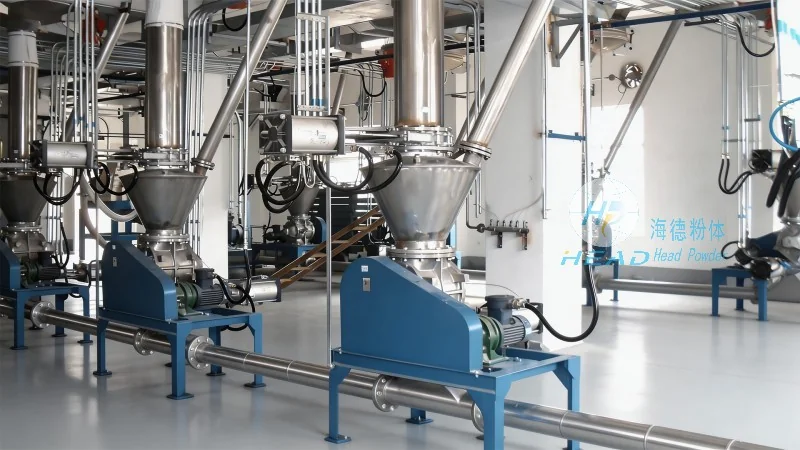
Key Features of Automatic Continuous Powder Conveying Systems
Automatic continuous powder conveying systems offer several distinct advantages that make them ideal for modern industrial applications. One of the primary features is their ability to operate continuously without the need for manual intervention, reducing labor costs and increasing production efficiency. The systems are designed for high reliability, with built-in safety features such as overload protection and emergency stop mechanisms to prevent accidents and equipment damage. Another notable feature is their adaptability, as they can be customized to handle various powder types and sizes, making them suitable for a wide range of industries including pharmaceuticals, food processing, chemical manufacturing, and mining. The closed-loop design of many systems minimizes material loss and contamination, which is critical for applications where product purity is paramount. Additionally, these systems are energy-efficient, utilizing advanced control algorithms to optimize power consumption while maintaining consistent performance. The integration of real-time monitoring and data logging capabilities further enhances operational transparency, allowing for quick troubleshooting and performance optimization.
Technical Specifications and Applications
The technical specifications of automatic continuous powder conveying systems vary based on the specific requirements of the application. Common specifications include conveying capacities ranging from a few kilograms per hour to several tons per hour, depending on the system size and design. The systems can operate at different pressures, from low-pressure pneumatic systems to high-pressure positive displacement pumps, to suit different material characteristics. The materials used in the construction of the conveying components, such as stainless steel, aluminum, or specialized polymers, are chosen to withstand the corrosive or abrasive nature of the powder being handled. For example, in pharmaceutical applications, systems are often constructed from food-grade materials to meet stringent hygiene standards. The applications of these systems are diverse, encompassing tasks such as material transfer between processing units, feeding of mixers and reactors, and loading of packaging equipment. In the chemical industry, they are used to transport raw materials to reactors and finished products to storage tanks. In the food industry, they ensure hygienic and efficient handling of ingredients like flour, sugar, and spices. The versatility of these systems makes them a critical component in many manufacturing processes, enabling seamless and reliable material flow.
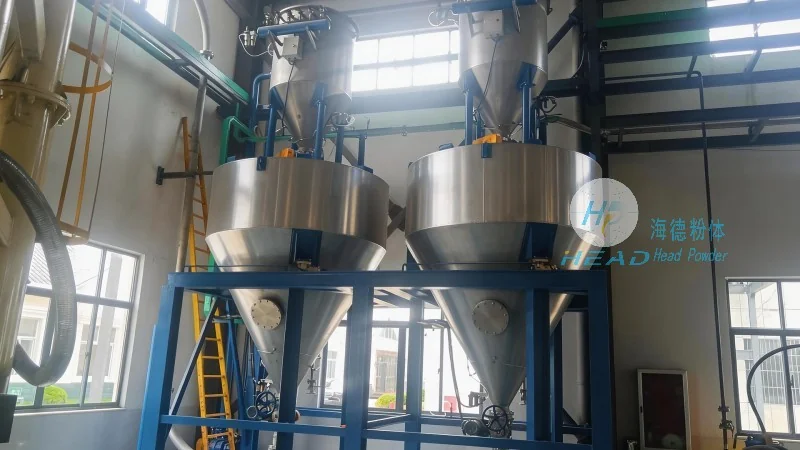
Conclusion and Company Overview
Automatic continuous powder conveying systems are essential tools for modern industrial operations, providing efficient, reliable, and safe transport of bulk powder materials. The advanced engineering and automation features of these systems ensure that they meet the demanding requirements of various industries, from pharmaceuticals to food processing. Shandong HeadPowder Engineering Co., Ltd., a leading manufacturer in this field, specializes in designing and manufacturing high-quality automatic continuous powder conveying systems tailored to the specific needs of their clients. With a focus on innovation and customer satisfaction, the company provides comprehensive solutions that enhance operational efficiency and product quality. Based in Shandong, China, HeadPowder leverages its expertise in powder handling technology to deliver systems that are durable, efficient, and compliant with industry standards. By integrating advanced control systems and robust construction materials, their products ensure long-term performance and minimal maintenance, making them a trusted choice for businesses seeking reliable powder transport solutions.