

Working Principle and Characteristics of Petroleum Coke Powder Conveying
Understanding the working principle and characteristics of petroleum coke powder conveying is crucial for industries that rely on efficient material handling. This article provides a detailed overview of the process, highlighting key aspects that contribute to effective and reliable operation.
Introduction to Petroleum Coke Powder Conveying
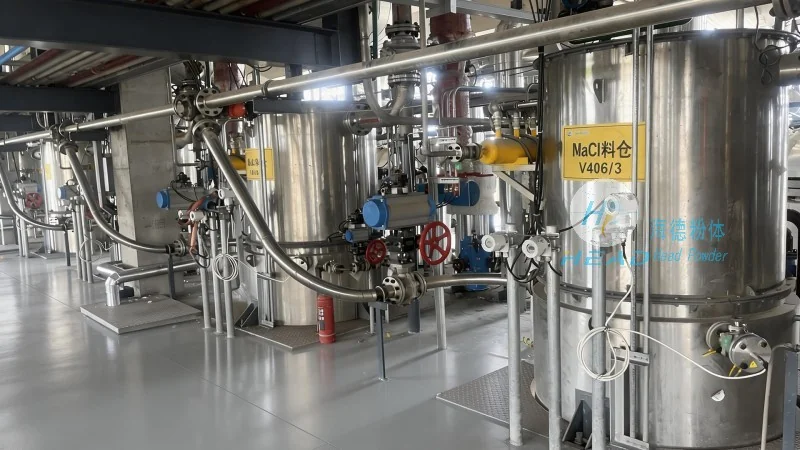
Petroleum coke, a byproduct of the petrochemical industry, is often processed into fine powder form for various applications. The efficient transportation of this powder from production sites to processing facilities or storage areas requires specialized equipment and systems. Shandong HeadPowder Engineering Co., Ltd., a leading provider in the field, specializes in designing and implementing advanced powder conveying solutions tailored to the unique challenges of petroleum coke handling.
The Working Principle of Petroleum Coke Powder Conveying
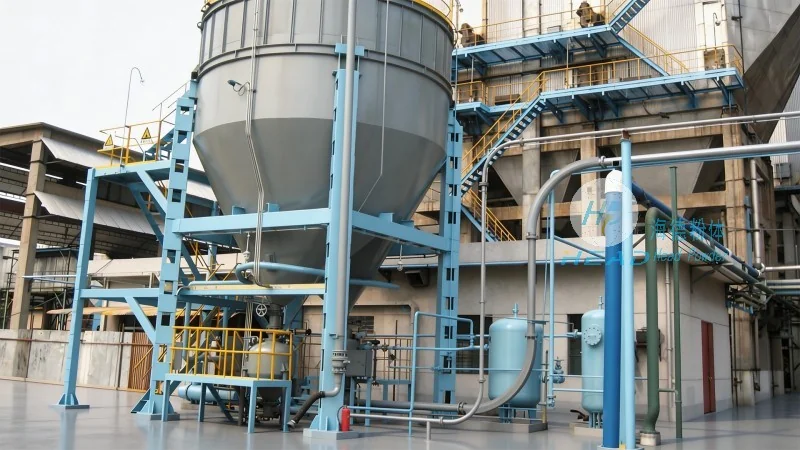
The core of petroleum coke powder conveying systems involves the use of pneumatic or mechanical methods to transport the fine particles. Pneumatic conveying, for instance, utilizes compressed air to move the powder through a network of pipes. The process typically starts with the material being fed into a hopper or feeder, where it is then introduced into a pipeline. The compressed air creates a flow that carries the powder particles, ensuring consistent and controlled movement. Mechanical conveying systems, such as screw conveyors or belt conveyors, may also be employed, especially for larger particle sizes or when dealing with bulk material. These systems rely on mechanical components to transport the powder, offering advantages in terms of energy efficiency and low maintenance.
Key Characteristics of Petroleum Coke Powder Conveying Systems
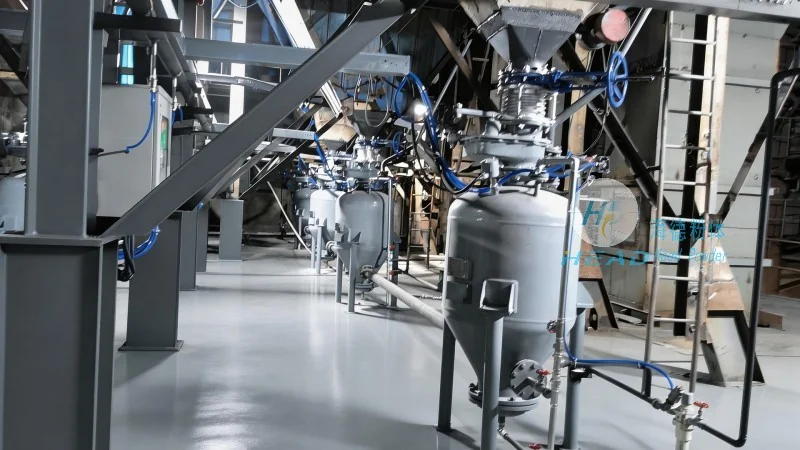
Several distinct characteristics define the performance and reliability of petroleum coke powder conveying systems. Firstly, the systems must be designed to handle the abrasive nature of petroleum coke powder. The fine particles can be harsh on equipment components, necessitating the use of durable materials like stainless steel or specialized coatings to prevent wear and tear. Secondly, the conveying process requires precise control over air pressure and flow rates to maintain consistent material transport. This ensures that the powder reaches its destination without segregation or loss. Thirdly, the systems must be equipped with effective dust control measures. Petroleum coke powder is often fine and can create significant dust, posing health and safety risks. Advanced filtration systems and enclosed designs are commonly used to mitigate these issues. Additionally, the systems need to accommodate variations in particle size and density. Petroleum coke can vary in its physical properties, and the conveying system must be adaptable to handle these changes without compromising efficiency. Finally, the overall design must prioritize safety and compliance with industrial standards. This includes features like emergency shut-off valves, pressure relief systems, and regular maintenance protocols to ensure continuous and safe operation.
Applications and Benefits of Petroleum Coke Powder Conveying
Petroleum coke powder conveying systems find widespread applications across various industries. In the petrochemical sector, they are essential for transporting the powder to coke calcination plants or storage facilities. The efficient movement of material reduces downtime and improves overall production efficiency. In the steel industry, petroleum coke is used as a fuel and reducing agent in blast furnaces, and conveying systems ensure a steady supply of the powder to the furnaces. The benefits of these systems extend beyond material handling, as they contribute to cost savings through reduced labor and maintenance expenses. Moreover, the advanced technology employed in these systems enhances the safety of operations by minimizing human exposure to dust and hazardous materials. The reliability of the conveying process also supports consistent quality control in downstream processes, ensuring that the petroleum coke meets the required specifications for its intended use.
Conclusion
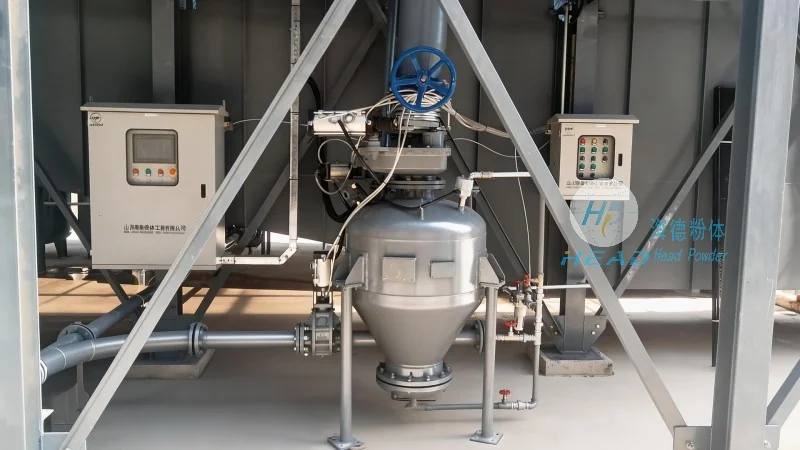
In conclusion, the working principle and characteristics of petroleum coke powder conveying are integral to the efficient operation of industries that utilize this material. The systems, developed by companies like Shandong HeadPowder Engineering Co., Ltd., combine advanced engineering with robust design to address the unique challenges of handling petroleum coke powder. By understanding these principles and characteristics, industries can optimize their material handling processes, enhance productivity, and ensure compliance with safety and environmental standards. The continuous innovation in conveying technology further supports the evolving needs of the industry, making petroleum coke powder conveying an essential component of modern industrial operations.